
Leave Your Message
-
Contact Phone
-
 Contact Email
Engineered to exceed FDA 21 CFR 177 and EU Food Contact Regulation 1935/2004 standards, our core selection provides elite tactile sensitivity, liquid barrier integrity, and food-safe chemical resistance.
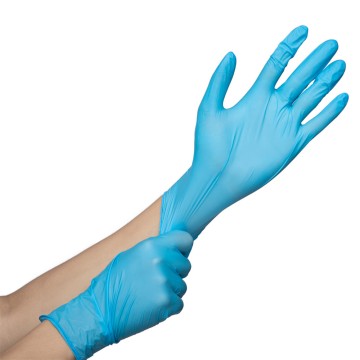
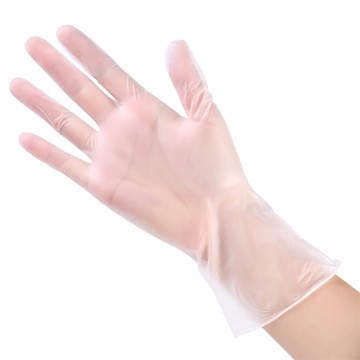
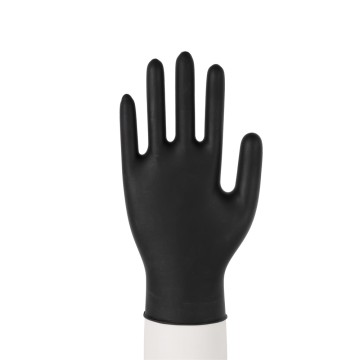
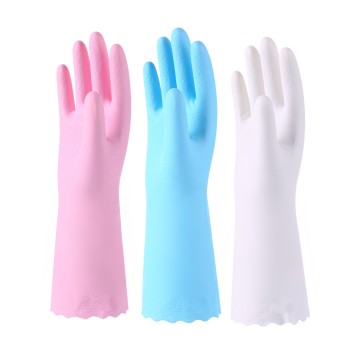
The commercial food service and industrial food processing sectors have entered an unprecedented era of regulatory scrutiny and biological risk mitigation. Globally, foodborne illnesses impact hundreds of millions of consumers annually, compelling food processors, commercial restaurants, central packaging hubs, and airline caterers to implement uncompromising safety protocols. At the epicenter of this operational hygiene revolution is the widespread transition toward certified, powder-free, medical-grade disposable gloves tailored exclusively for direct food contact.
Historically dominated by standard polyethylene and powdered latex gloves, modern food processing operations have shifted definitively toward synthetic polymers—primarily high-purity Acrylonitrile Butadiene (Nitrile) and advanced Polyvinyl Chloride (Vinyl/Plastisol). This transition is propelled by two non-negotiable imperatives: the global elimination of Type I latex protein allergen transfer to consumers, and the mandatory reduction of microscopic chemical pinhole leaching into lipid-rich and acidic food matrices. Modern food processing demands barrier equipment that resists animal fats, citrus acids, and cooking oils while maintaining supreme tactile precision for intricate slicing, deboning, garnishing, and automated packaging workflows.
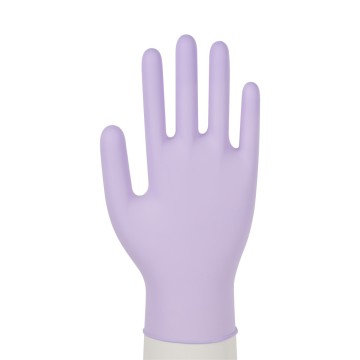
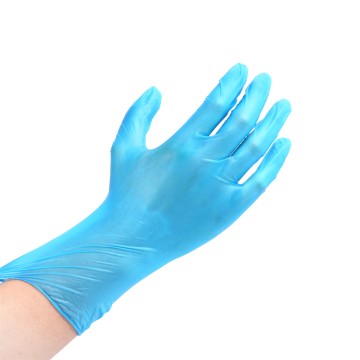
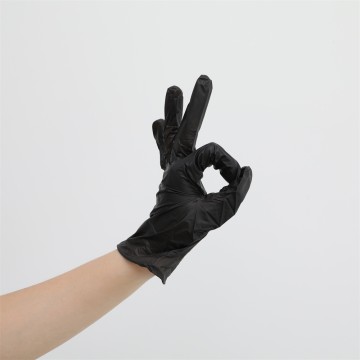
Modern food safety frameworks mandate color-coded disposable gloves (such as distinctive blue or black nitrile) to visually isolate critical control points (CCPs), completely preventing cross-contamination between raw meats, allergens, and ready-to-eat (RTE) foods.
Unlike conventional vinyl which softens rapidly upon contact with poultry fats and cooking oils, premium food-grade nitrile offers 3x to 5x higher tensile tear resistance, preventing micro-tears during high-speed commercial kitchen prep.
Modern regulatory frameworks (FDA 21 CFR 177.2600 & EU Regulation 10/2011) strictly forbid migrating plasticizers and cornstarch residues from contaminating finished food consumables, ensuring maximum consumer purity.
Selecting the correct glove substrate is crucial for balancing operational cost-efficiency, dermal comfort, chemical resistance, and food contact compliance across diverse culinary stations.
| Performance Characteristic | Food-Grade Disposable Nitrile | Food-Grade Disposable Vinyl (PVC) | Standard Polyethylene (CPE/TPE) |
|---|---|---|---|
| Primary Composition | Synthetic Carboxylated Butadiene-Acrylonitrile | Polyvinyl Chloride Resin + Safe Plasticizers | Cast Polyethylene / Thermoplastic Elastomer |
| Animal Fat & Oil Barrier | Exceptional (No softening or swelling) | Moderate (Suitable for low-fat contact) | Poor (Permeable under sustained contact) |
| Tensile Strength (MPa) | 14 – 20 MPa (Superior elasticity & memory) | 9 – 13 MPa (Comfortable, relaxed drape) | 4 – 7 MPa (Prone to seam splitting) |
| Pinhole Acceptable Quality Level | AQL 1.5 (Strict Medical & Food Grade) | AQL 1.5 – 2.5 (High Hygiene Standard) | AQL 4.0 (Basic Utility Only) |
| Tactile Precision & Texture | Micro-textured fingertips for wet/oily grip | Smooth surface for fast slip-on & handling | Embossed surface, loose non-conforming fit |
| Allergenic Potential | Zero Latex Proteins, Ultra-Low Dermatitis | 100% Latex-Free, Zero Accelerators | 100% Hypoallergenic, Inert Polymer |
| Optimal Culinary Scenario | Raw butchery, hot line prep, deboning, sushi | Sandwich assembly, baking, salad tossing | Brief utility handling, buffet serving lines |
From an ergonomic standpoint, professional food handlers wear protective gloves for 6 to 10 hours daily. Inferior formulations generate rapid hand fatigue, skin maceration from sweat accumulation, and contact dermatitis. Cureguard's advanced manufacturing technology incorporates thermal body-heat activation, allowing the nitrile polymer matrix to subtly mold to the operator's hand contours within 90 seconds of donning, drastically reducing muscle strain during high-repetition culinary operations.
Professional food handling is not a monolithic application; distinct sectors within the culinary and agricultural value chain present radically different physical and chemical challenges. Below is an architectural breakdown of glove deployments in specialized environments:
In abattoirs, deboning lines, and seafood filleting facilities, gloves operate in constant contact with animal lipids, high moisture, and cold ambient temperatures (0°C to 4°C). Standard gloves stiffen and lose elasticity in refrigerated rooms. Cureguard Nitrile formulations remain supple and ductile in cold rooms while providing high puncture resistance against sharp bone fragments and abrasive scales.
In high-speed fast food chains, staff change gloves every 15 to 30 minutes to comply with municipal food codes between handling raw meats and assembling burger buns. Cureguard Vinyl and lightweight hybrid gloves feature polymer interior coatings for rapid donning on damp hands, saving precious seconds during peak service rushes.
Artisanal chocolate crafting, sushi preparation, and delicate pastry decoration require unimpeded fingertip feedback. Our ultra-thin 3.2 mil to 4.0 mil nitrile gloves transmit micro-tactile sensation, preventing rice sticking and ensuring precise knife angle control during intricate sashimi cuts.
Dough handling involves gluten stickiness, dusting flours, and hot pan contact. Non-stick polymer finishes prevent dough adhesion to the fingertips, reducing raw ingredient wastage and streamlining shaping, rolling, and automated conveyor sorting.
End-of-day commercial kitchen cleaning requires handling degreasers, sanitizing chlorine solutions, and boiling rinse waters. Cureguard's long-cuff nitrile and heavy-duty flock-lined vinyl options provide robust wrist and forearm splash shielding against caustic kitchen chemicals.
Preparing tens of thousands of sealed meal trays under strict flight departure deadlines requires strict batch-to-batch consistency. High-tensile vinyl and nitrile gloves ensure zero glove tearing during high-speed vacuum packing, thermoforming, and tray sealing.
Behind every Cureguard food safety glove is a completely automated, AI-monitored dipping line designed to minimize human contact and guarantee absolute physical and chemical consistency.
Our manufacturing infrastructure utilizes multi-stage leaching tanks that effectively eliminate residual surfactants, chemical accelerators, and volatile organic compounds (VOCs). Through computer-vision high-speed cameras, each glove is inspected on the former for pinholes, bead integrity, and thickness uniformity before automatic pneumatic stripping.
All Cureguard food-service gloves undergo exhaustive migration testing using food simulants (distilled water, 3% acetic acid, 10% ethanol, and rectified olive oil). We certify zero transfer of phthalate plasticizers (DEHP, DINP, DBP) or toxic heavy metals, exceeding global regulatory benchmarks for both acidic and fatty consumables.
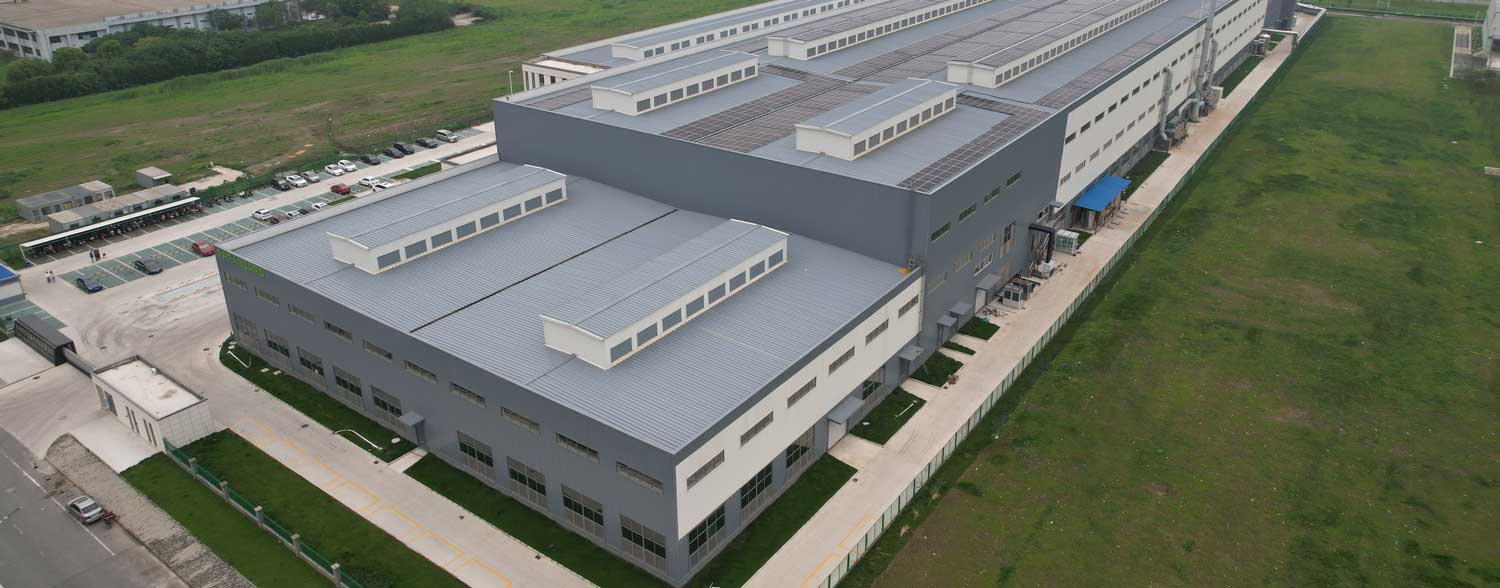
Established in 2006 and headquartered in Jiangsu Province, China, Cureguard Glove Group is specialized in glove manufacturing for over 20 years. We own over 60 production lines dedicated to disposable vinyl and nitrile gloves, and reusable vinyl gloves with an annual output exceeding 10 billion pieces. We supply various kinds of gloves to customers in more than 100 countries and regions worldwide.
We roll out different series of products to address various routine scenario needs, such as medical examination, food contact, electronic industry, and household use.
Learn More About Our Capabilities


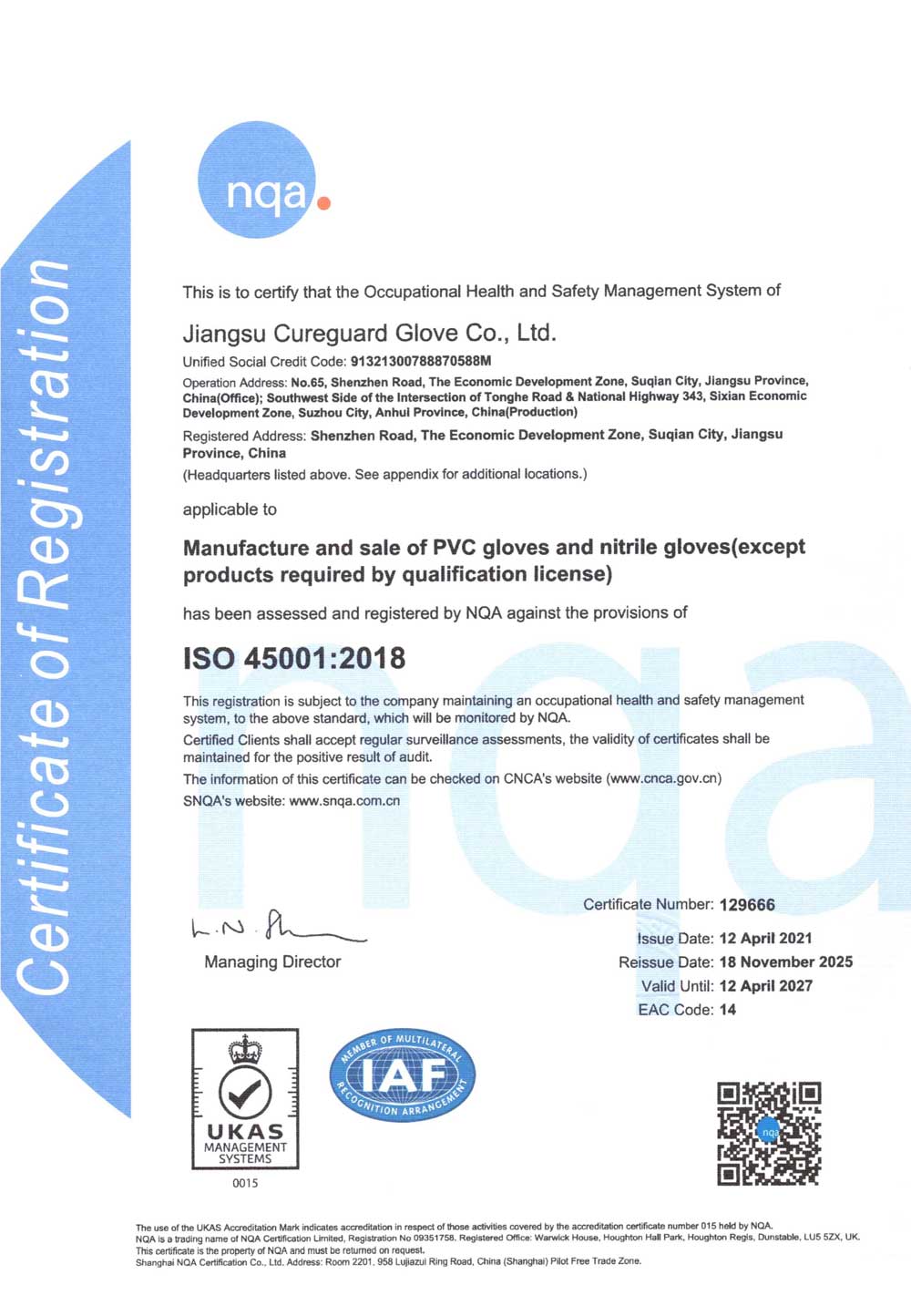
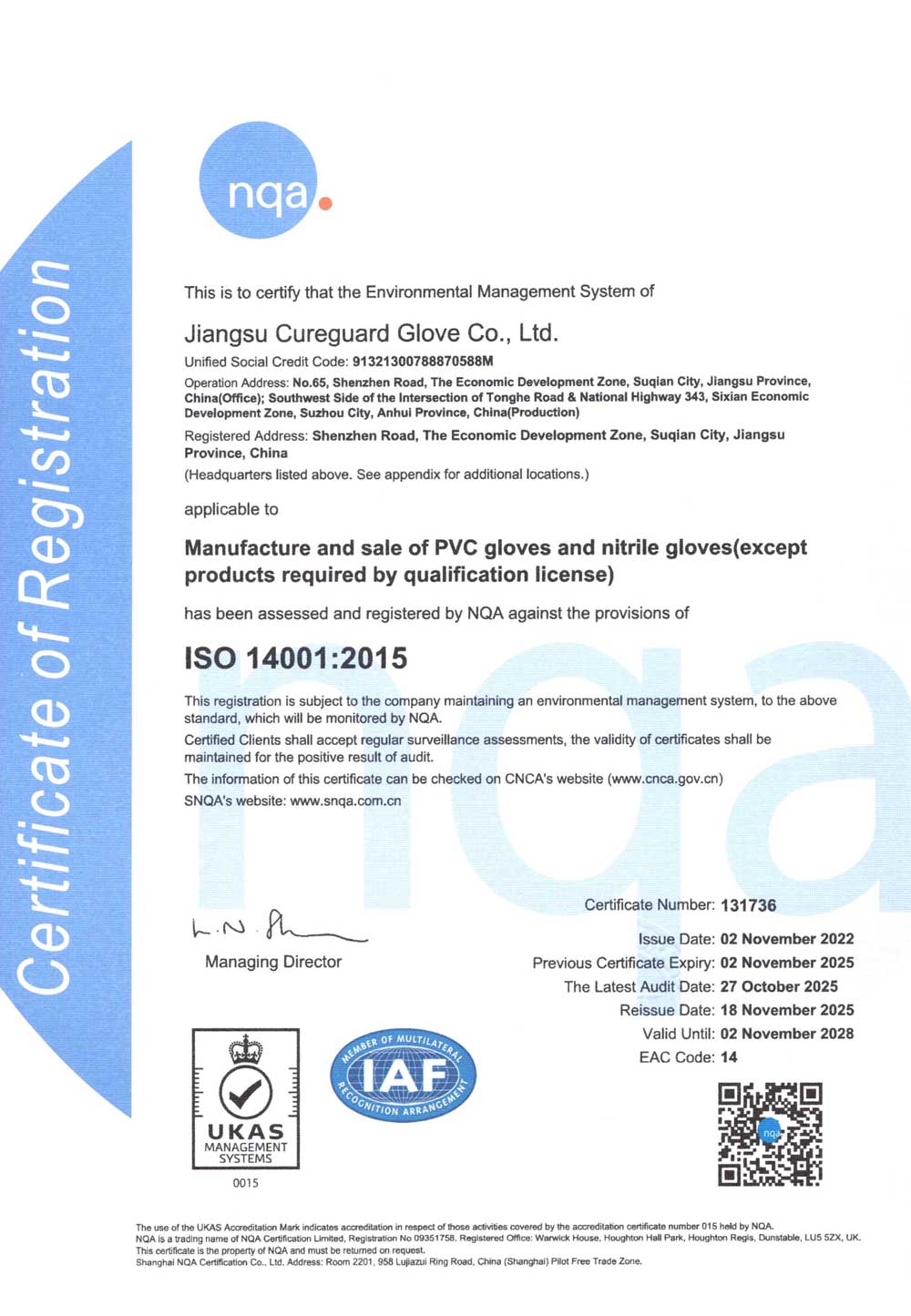
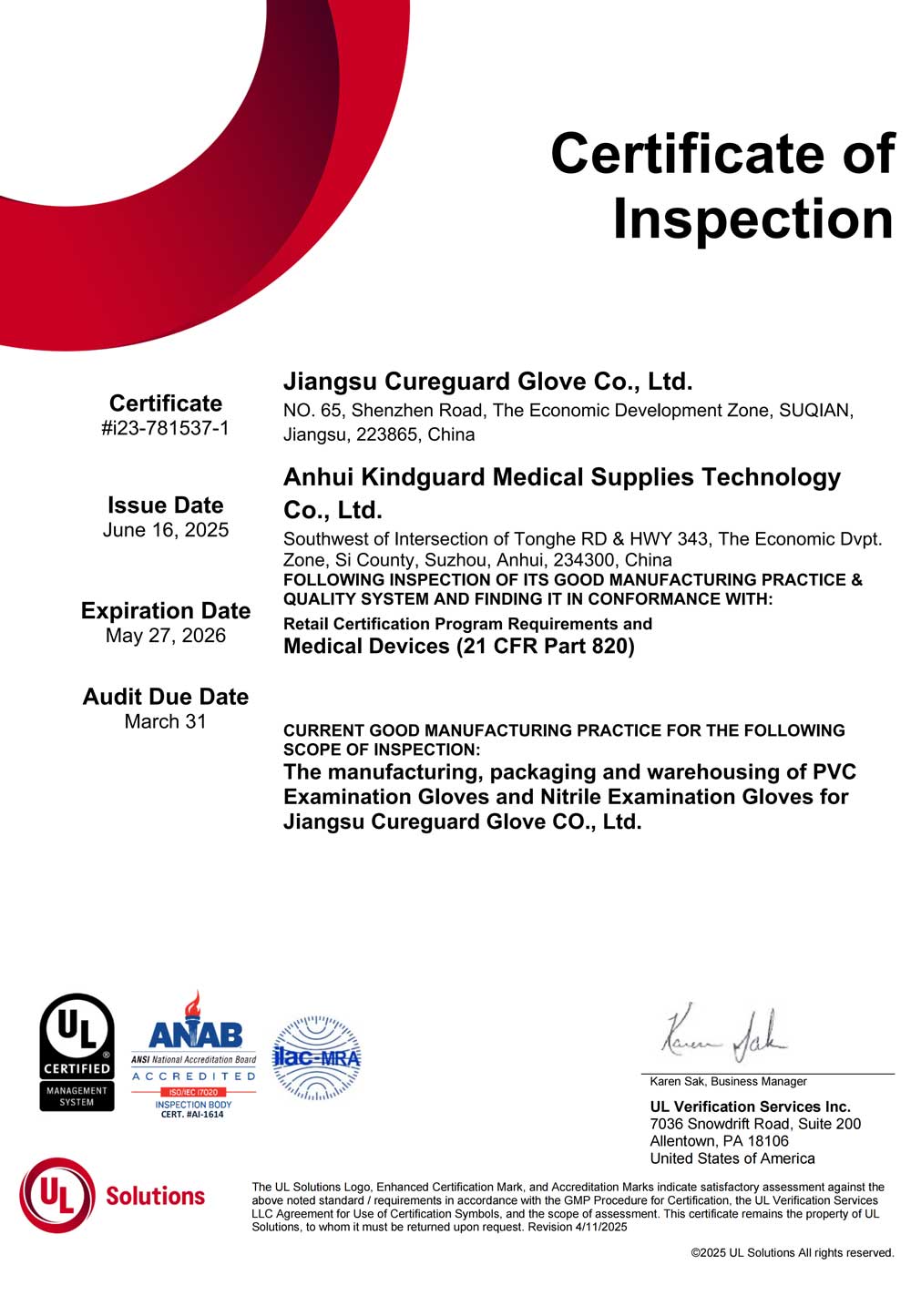
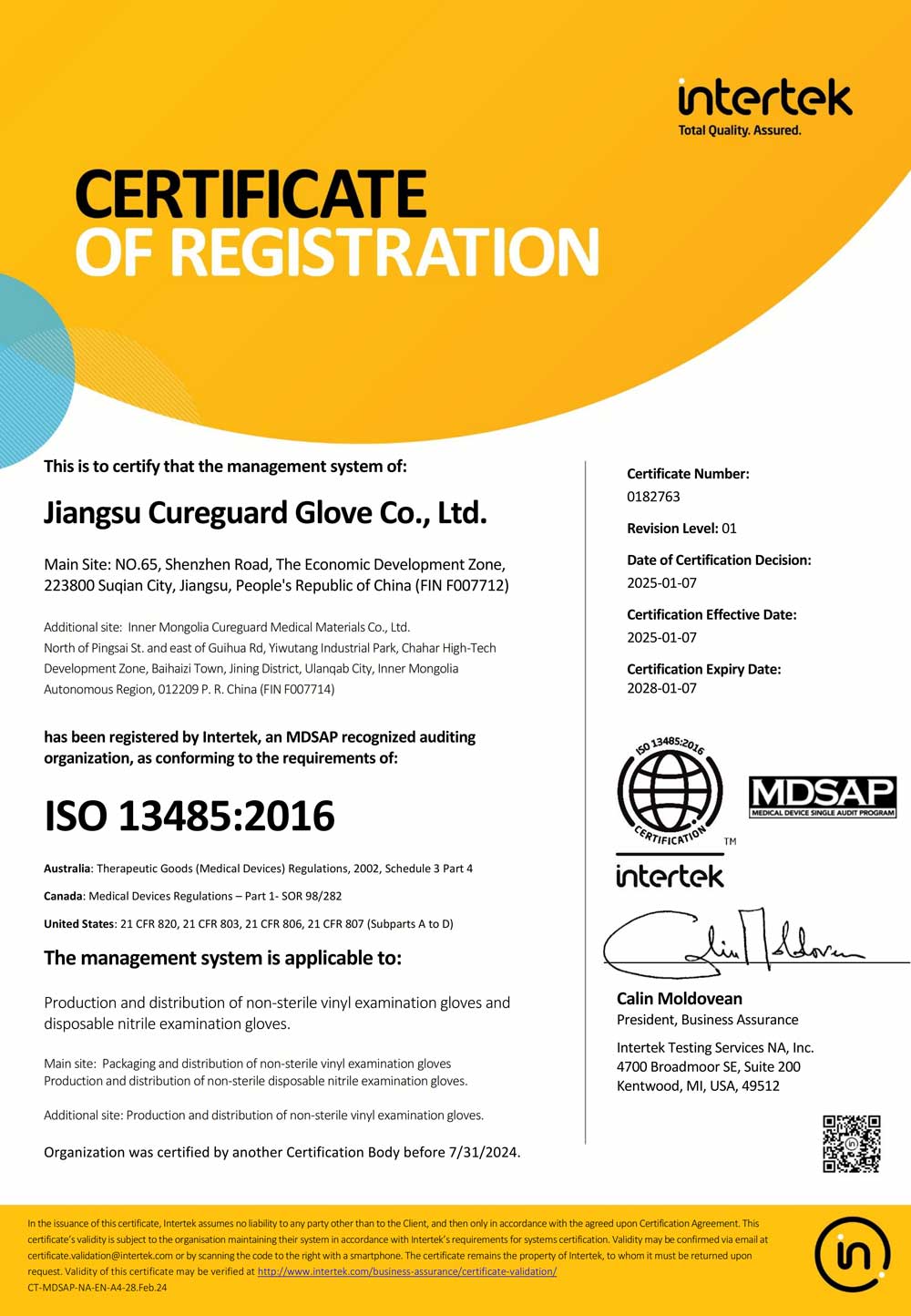
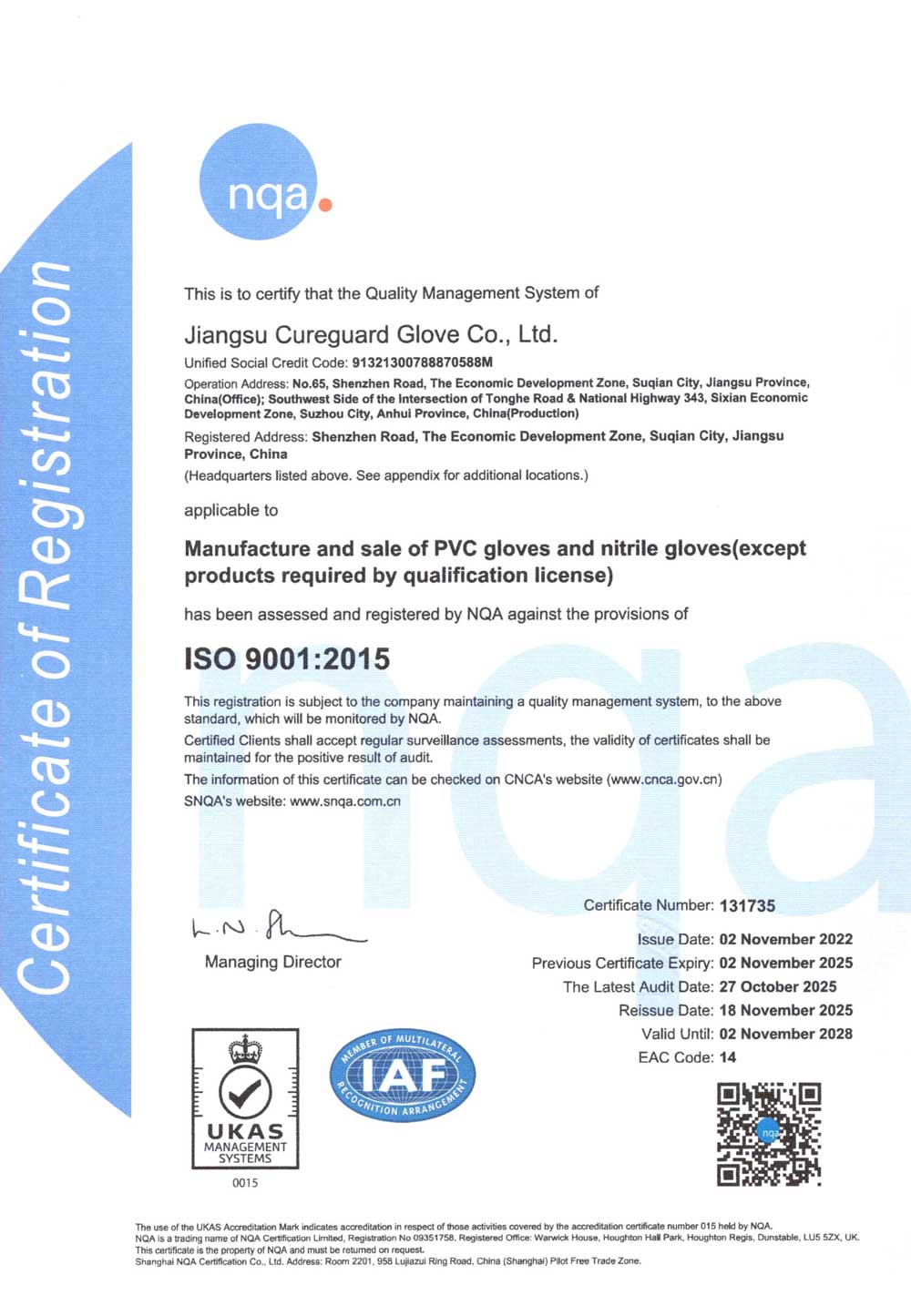
Our products conform to the strictest global regulatory frameworks including ISO 9001, ISO 13485, ISO 14001, ISO 45001, CE, FDA 510(k), and international GMP specifications.
From sterile hospital operating rooms and high-volume food processing plants to microelectronics manufacturing and household sanitation, Cureguard provides targeted barrier solutions.
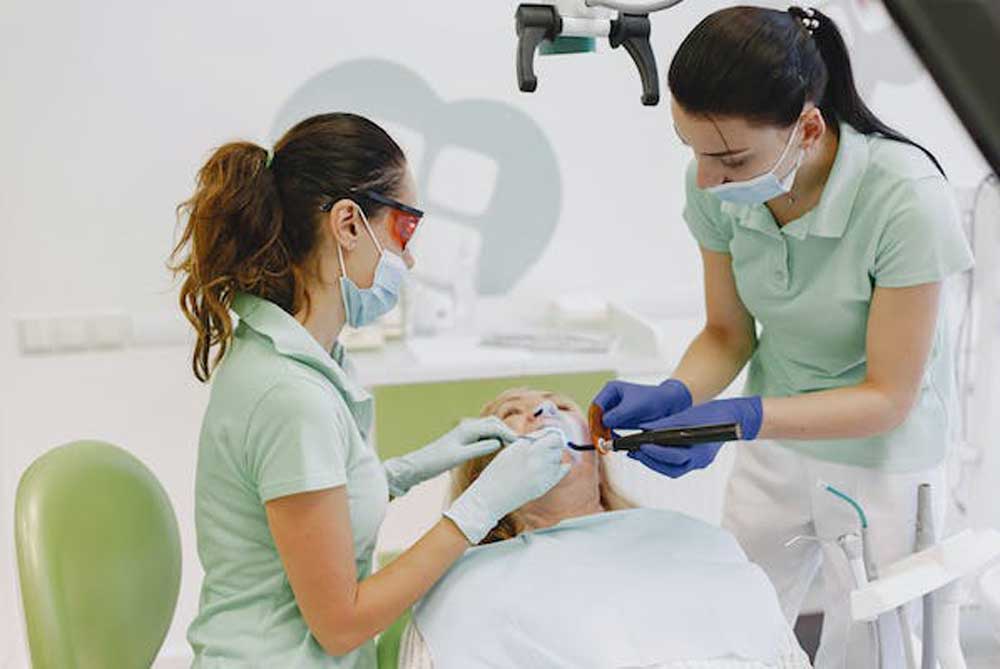
Critical protection against viral pathogens, body fluids, and medical cross-infections with exceptional tactile sensitivity and pinhole safety.
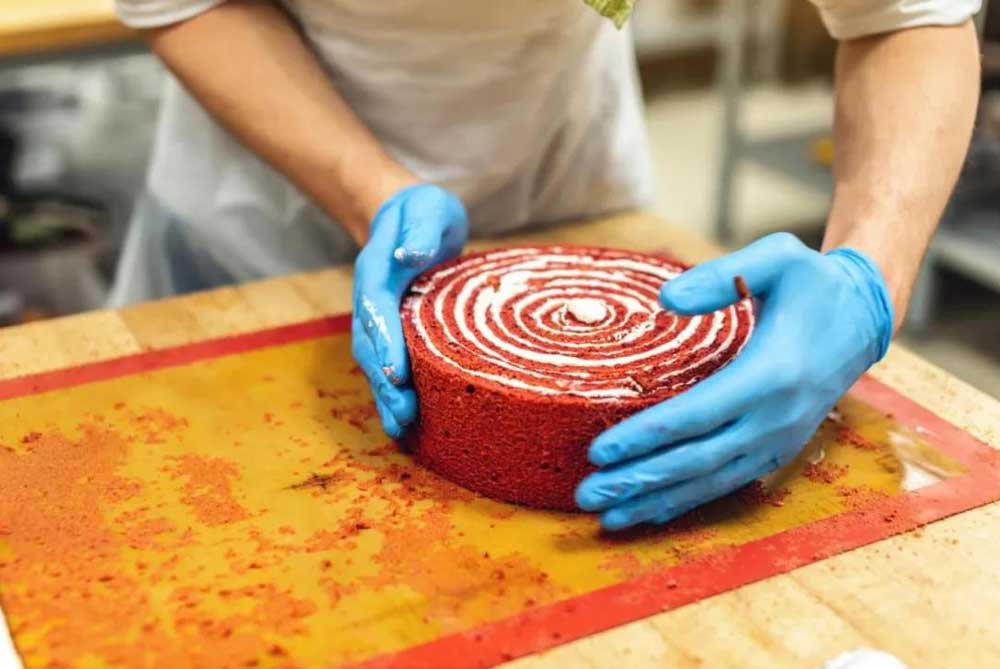
Food-contact certified, oil-resistant, and allergen-free gloves designed for commercial kitchens, raw meat butchery, and packaging lines.
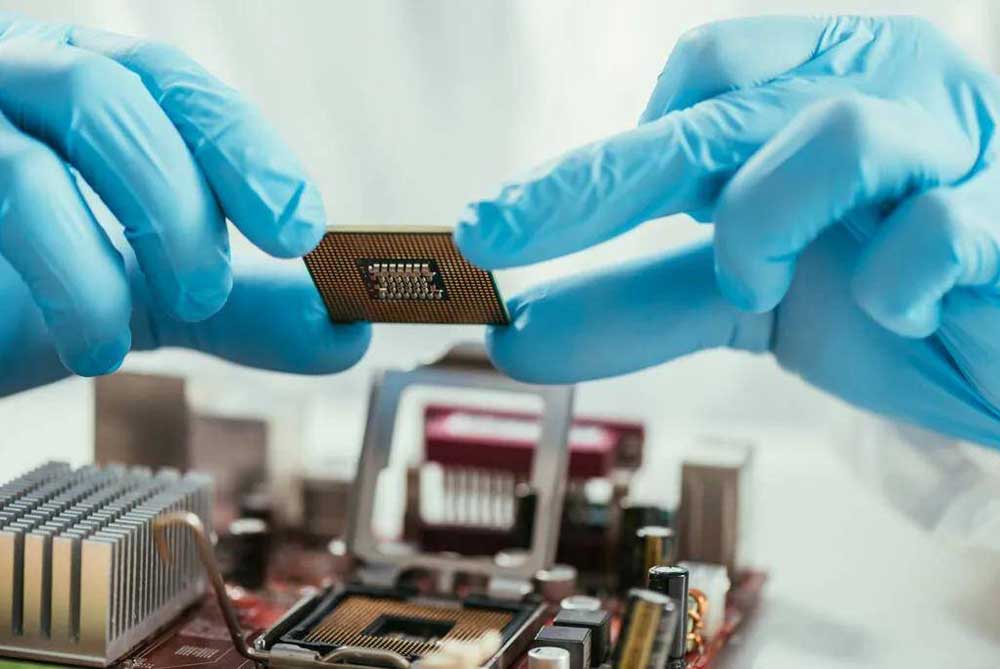
Electrostatic dissipative (ESD) properties, chemical splash resistance, and high tensile strength for precision manufacturing lines.
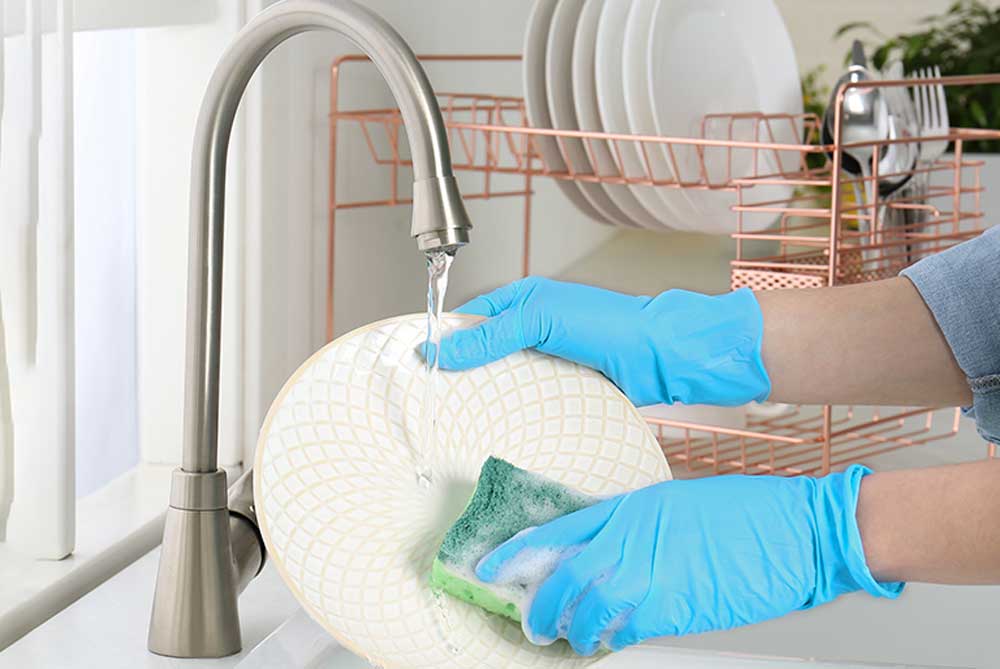
In home life, hygiene and convenience are equally important when cleaning the kitchen, handling ingredients, or caring for children or pets.
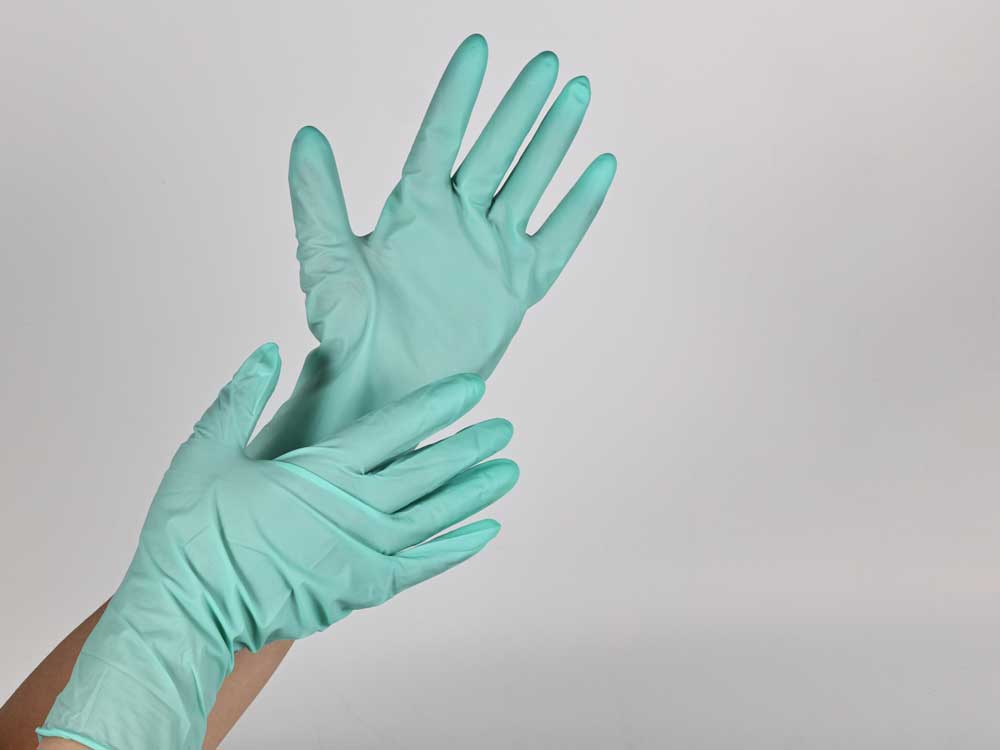
Medical and commercial food staff wear nitrile gloves during delicate operations to prevent bacterial cross-infection. Learn proper donning and doffing techniques.
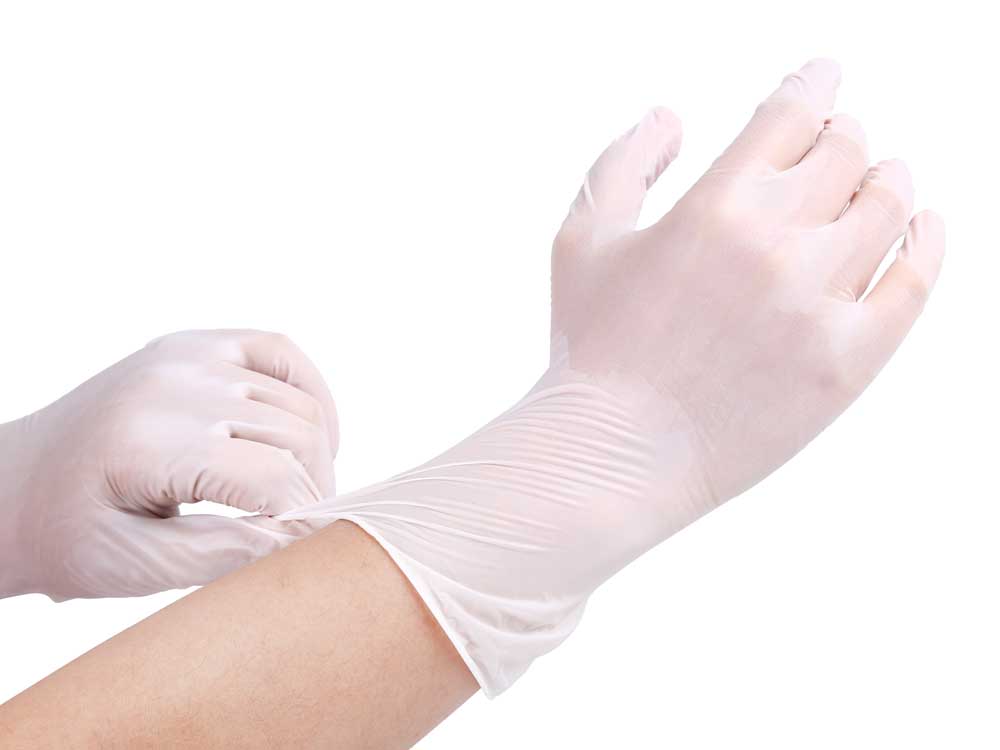
In the field of food processing, hand contact is one of the primary risk points for cross-contamination. Discover how food-grade PVC gloves fortify safety defense lines.
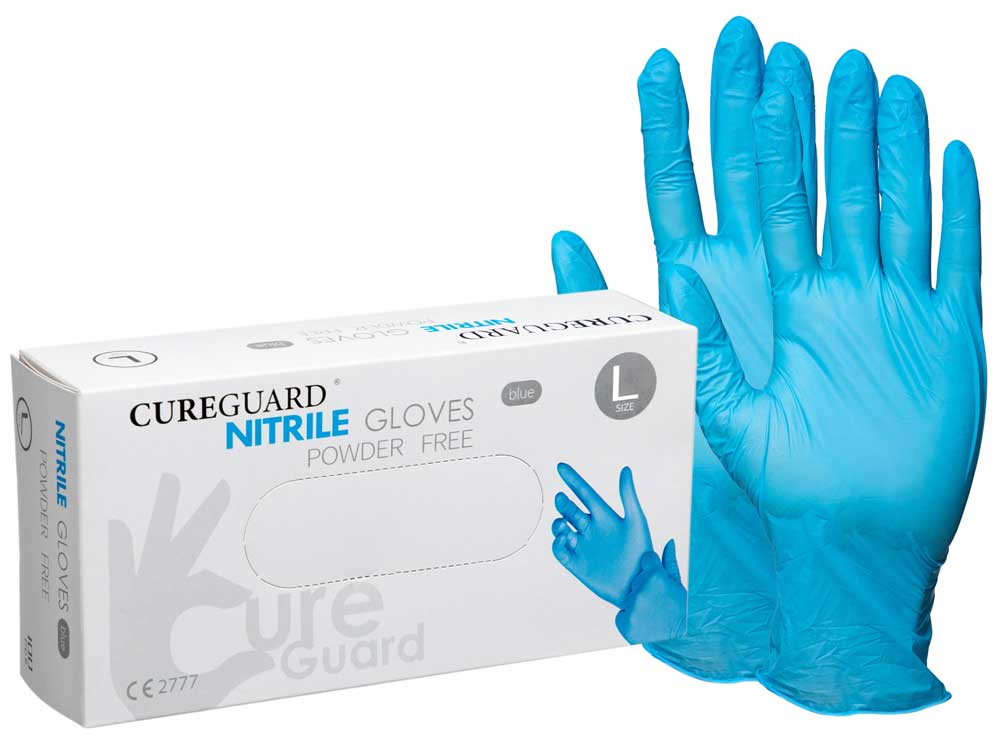
With growing global awareness of food contact compliance and worker safety, the demand for specialized nitrile protective equipment is expanding worldwide.
Explore our full range of nitrile, vinyl, and extended-cuff barrier products available for wholesale and global OEM export.