
Leave Your Message
-
Contact Phone
-
 Contact Email
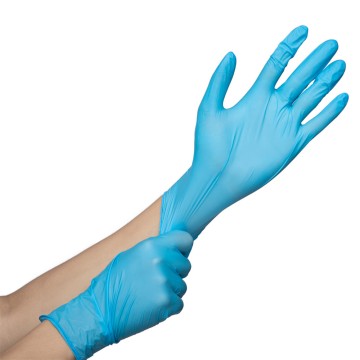
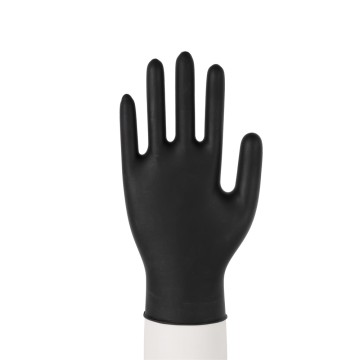
In the world of professional body art, the hands of the artist are the ultimate tools of creation. Tattooing and piercing are intricate, invasive procedures that breach the skin barrier, making hygiene, precision, and safety paramount. Over the past two decades, the global tattoo community has experienced a profound shift in standard operating procedures. The adoption of disposable nitrile gloves for professional tattoo and piercing art has transitioned from a recommended practice to a strict regulatory mandate and a symbol of professional commitment.
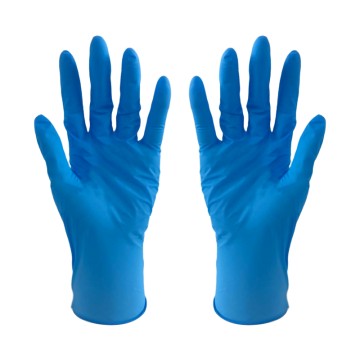
Nitrile gloves, manufactured from synthetic nitrile butadiene rubber (NBR), provide an exceptional combination of puncture resistance, chemical protection, and tactile sensitivity. Unlike traditional latex gloves, which carry a significant risk of inducing allergic reactions in both artists and clients, nitrile is entirely latex-free. This characteristic alone has made nitrile the gold standard in modern studios where client safety and comfort cannot be compromised.
Tattooing requires long hours of continuous skin contact, exposure to petroleum-based lubricants, specialized inks, and bloodborne pathogens. Nitrile gloves offer three times the puncture resistance of standard latex, ensuring that sharp needles and jewelry components do not breach the protective barrier. Furthermore, nitrile stands up exceptionally well to the oils, green soaps, and isopropyl alcohol frequently used during the preparation and execution of body art.
The tattoo and piercing industry has evolved from a counter-culture movement into a multi-billion-dollar global market. With this growth, the demand for specialized personal protective equipment (PPE) has skyrocketed. Professional studios now operate under strict health department guidelines comparable to medical clinics. Consequently, the commercial market for disposable gloves has adapted, with manufacturers designing products specifically tailored for the cosmetic and body art sectors.
Globally, the supply chain for nitrile gloves is driven by advanced manufacturing facilities capable of producing billions of units annually. Cureguard Glove Group, a leader in this space, utilizes state-of-the-art production lines to guarantee consistent thickness, tensile strength, and chemical barrier properties. As studios demand higher quality, manufacturers are focusing on producing gloves with micro-textured surfaces for enhanced grip, particularly when wet with ink, blood, or soaps.
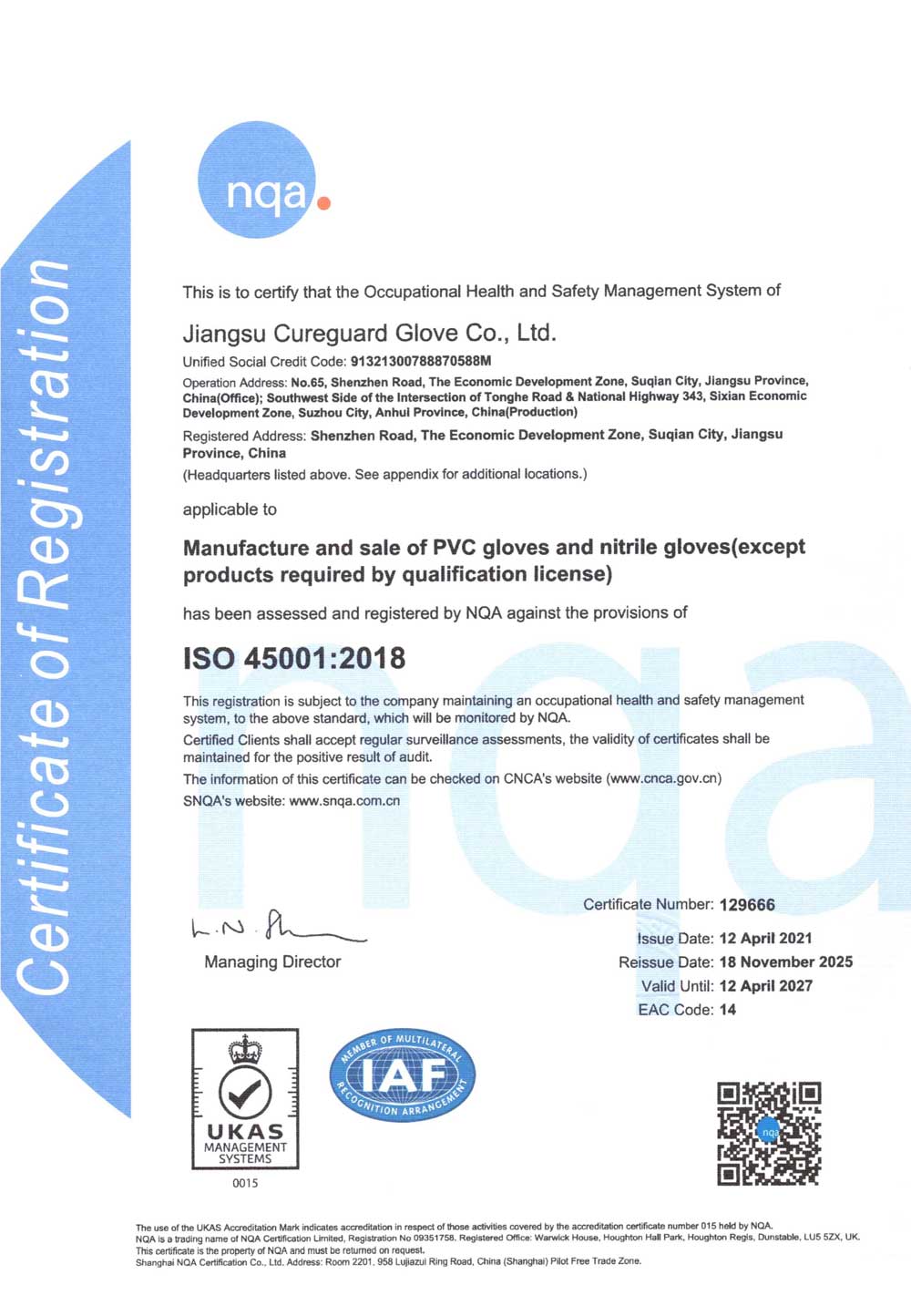
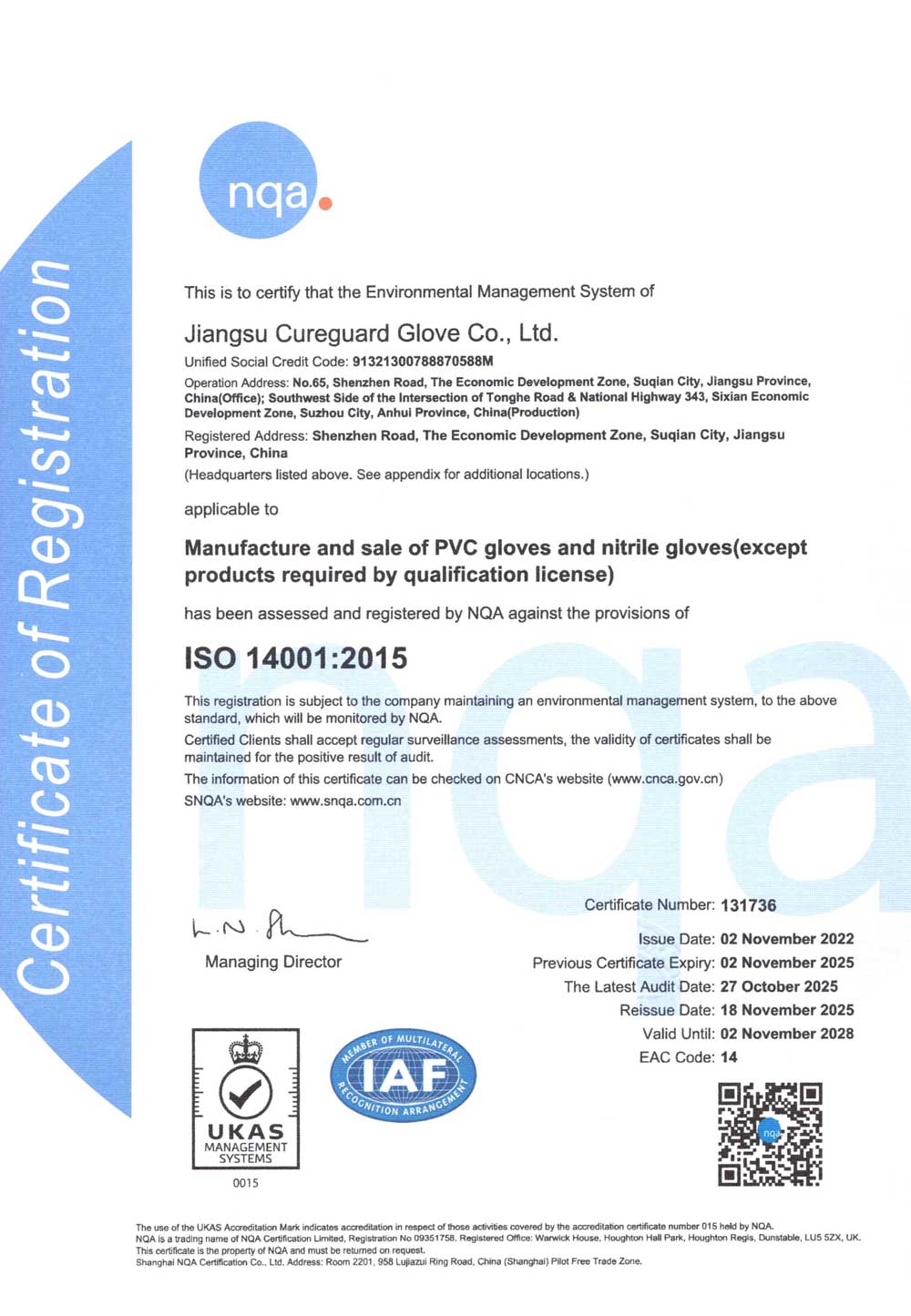
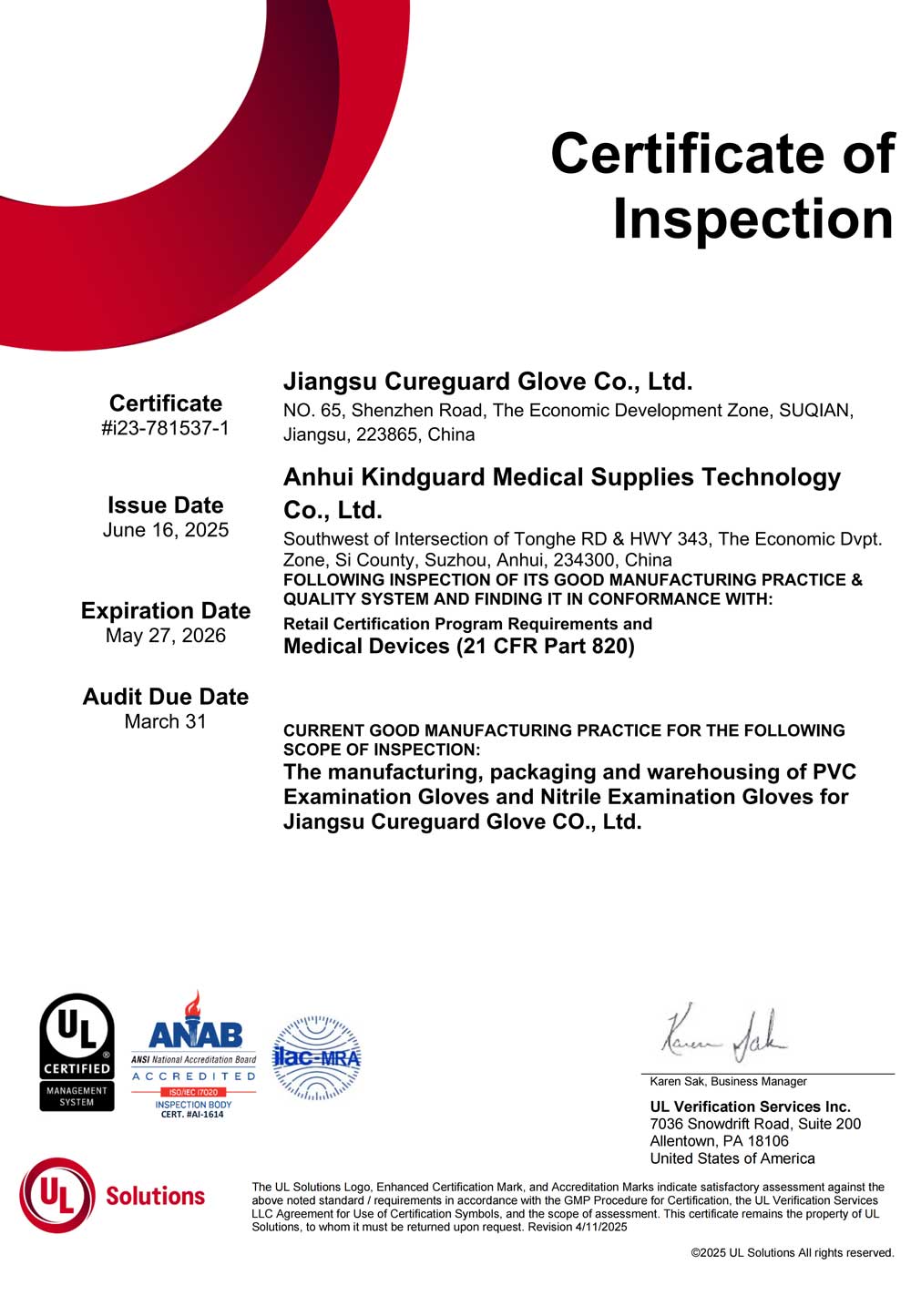
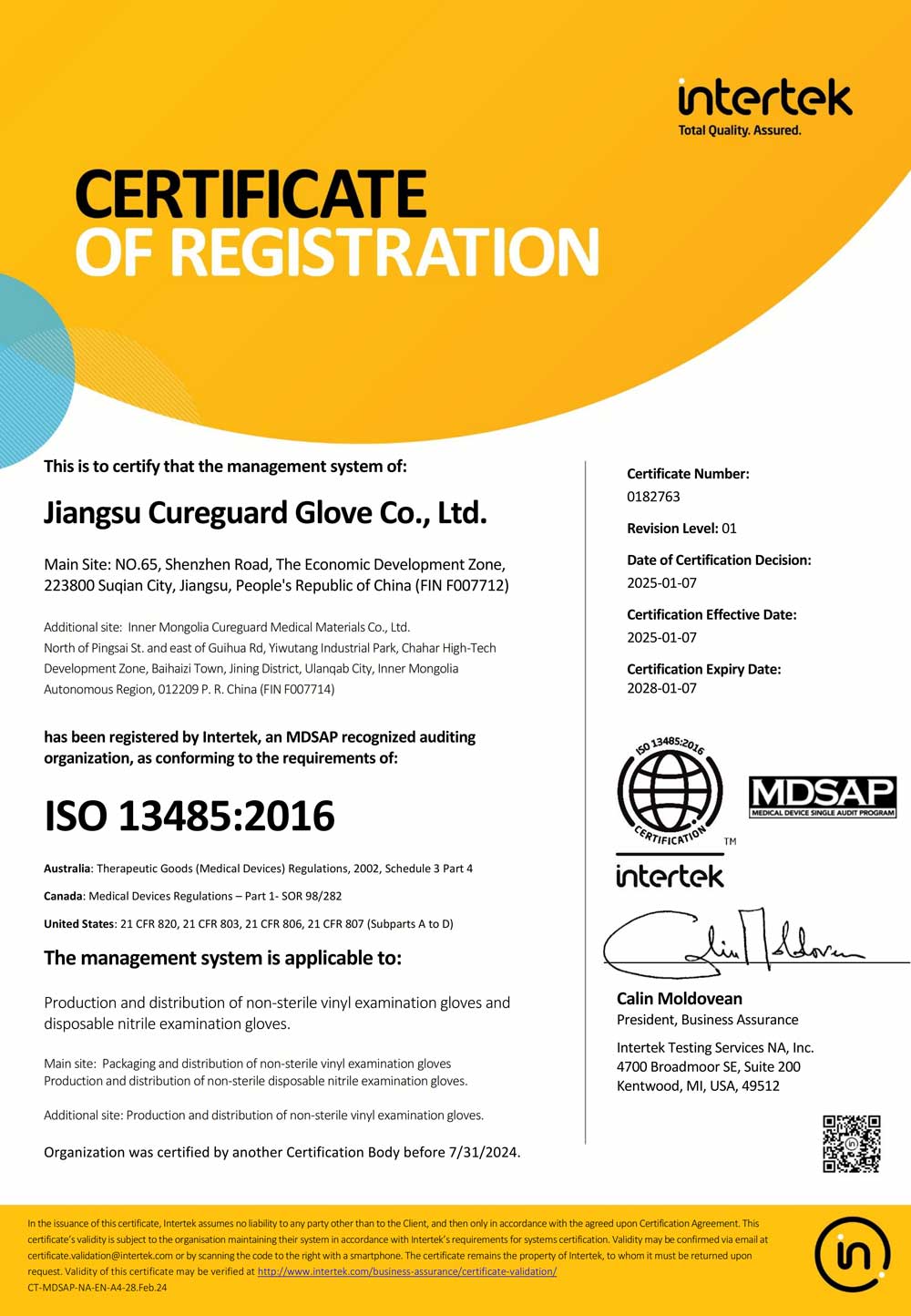
Established in 2006 and headquartered in Jiangsu Province, China, Cureguard Glove Group has specialized in glove manufacturing for over 20 years. We own over 60 production lines dedicated to disposable vinyl and nitrile gloves, and reusable vinyl gloves with an annual output exceeding 10 billion pieces. We supply various kinds of gloves to customers in more than 100 countries and regions worldwide.
We roll out different series of products to address various routine scenario needs, such as medical examination, food contact, electronic industry, household use, and specialized professional fields including tattoo and piercing art.

To truly appreciate the value of high-quality disposable nitrile gloves, one must examine the specific, highly demanding environments within a professional tattoo and piercing studio. Each step of the process places unique demands on the glove's material properties.
Before a drop of ink touches the skin, the artist must prepare the canvas. This involves shaving the area, disinfecting the skin with isopropyl alcohol or green soap, and applying a stencil transfer solution. During this phase, the glove must resist chemical degradation from alcohol-based sanitizers. It must also maintain a clean, sterile barrier to prevent introducing any external contaminants onto the freshly prepped skin.
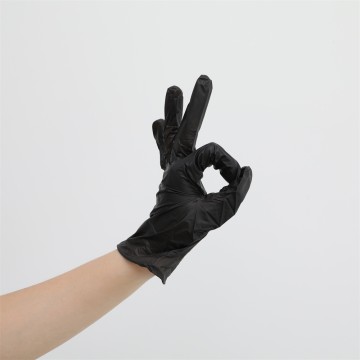
During the active tattooing process, the artist holds a heavy, vibrating tattoo machine for hours at a time. The glove must offer a second-skin fit to reduce muscle fatigue while providing a micro-textured grip on the machine's grip tape. Ink splatter, excess pigment, and bodily fluids cover the gloves. A high-contrast color, such as black or deep blue nitrile, is preferred by artists because it hides ink stains and reduces visual distractions, allowing the artist to focus entirely on the precision of their linework.
Body piercing involves handling extremely small, sterile metal components, needles, and dermal anchors. The tactile sensitivity required is immense. The glove must be thin enough to allow the piercer to feel the exact anatomical structures they are working with, yet strong enough to resist punctures from sharp piercing needles. A single needle-stick injury can expose both the artist and the client to bloodborne pathogens like Hepatitis B, C, or HIV. Thus, high-tensile nitrile is non-negotiable.
Once the artwork is complete, the studio environment must be fully decontaminated. The artist handles medical-grade disinfectants, cavity wipes, and ultrasonic cleaning solutions to sterilize reusable equipment. The gloves worn during this cleanup phase must have superior chemical resistance to protect the artist's skin from harsh cleaning agents that would easily penetrate or degrade vinyl or latex gloves.
As the body art industry grows more sophisticated, several key trends are shaping the future of disposable nitrile gloves:
1. Eco-Friendly and Biodegradable Nitrile: Environmental sustainability is a major concern for modern tattoo studios. Manufacturers are developing biodegradable nitrile formulations that break down in landfills within a fraction of the time required for traditional synthetic rubbers, without sacrificing barrier protection.
2. Ergonomic Certifications: Hand fatigue is a common occupational hazard for tattooists. Gloves designed with advanced elastic properties that mimic the flexibility of natural rubber latex help reduce hand strain during marathon tattooing sessions.
3. Enhanced Chemical Barriers: Newer formulations are offering even greater resistance to petroleum jelly and specialty soaps, ensuring the glove retains its structural integrity throughout long, multi-hour sessions.
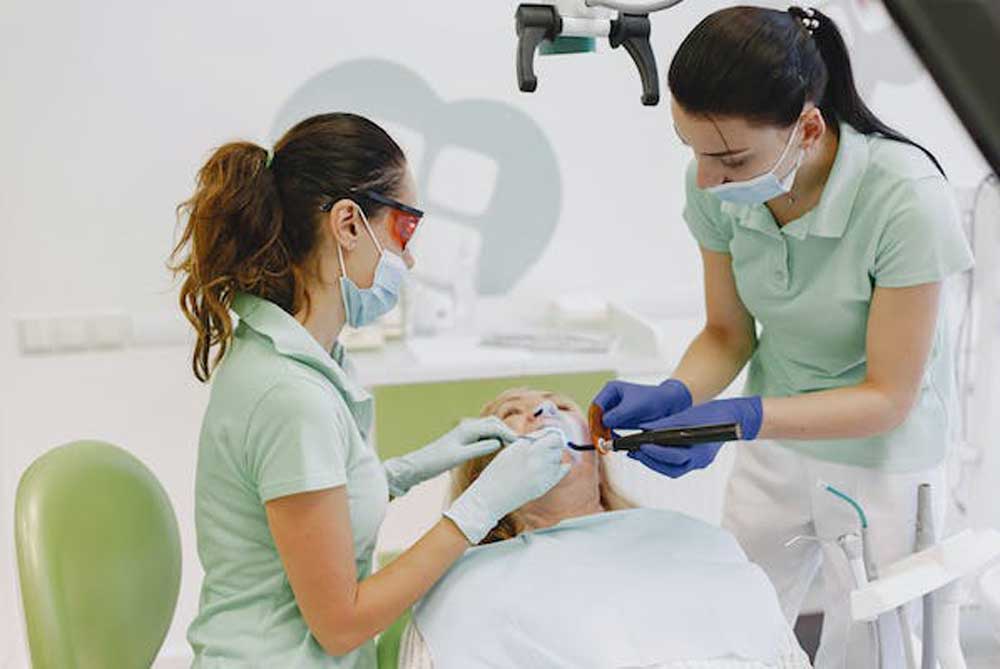
Certified protection for medical examinations, diagnostics, and patient care.
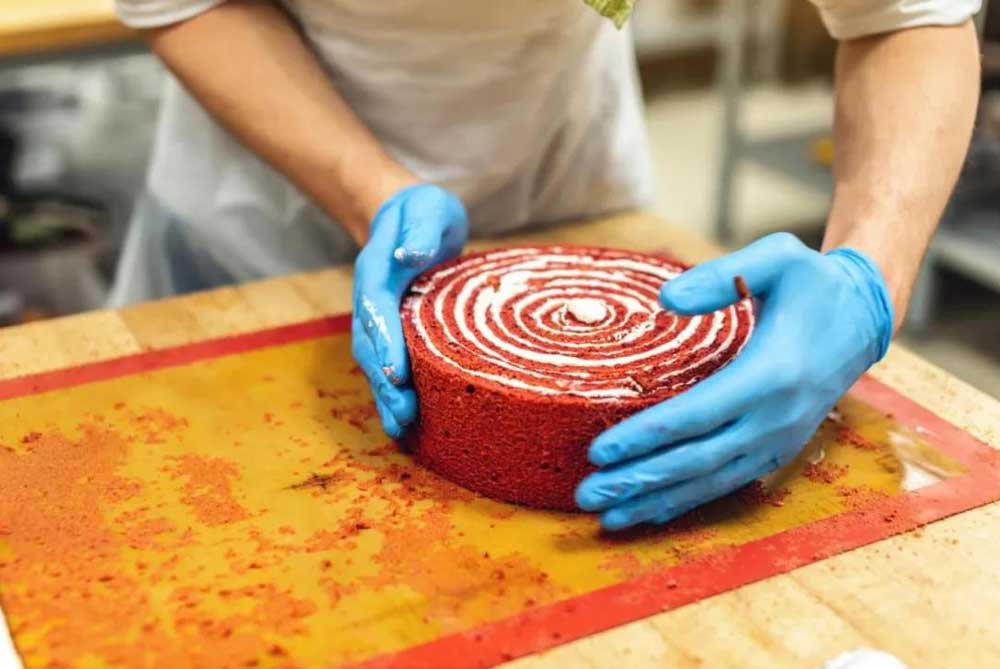
100% food-safe materials for preparation, packaging, and commercial kitchens.
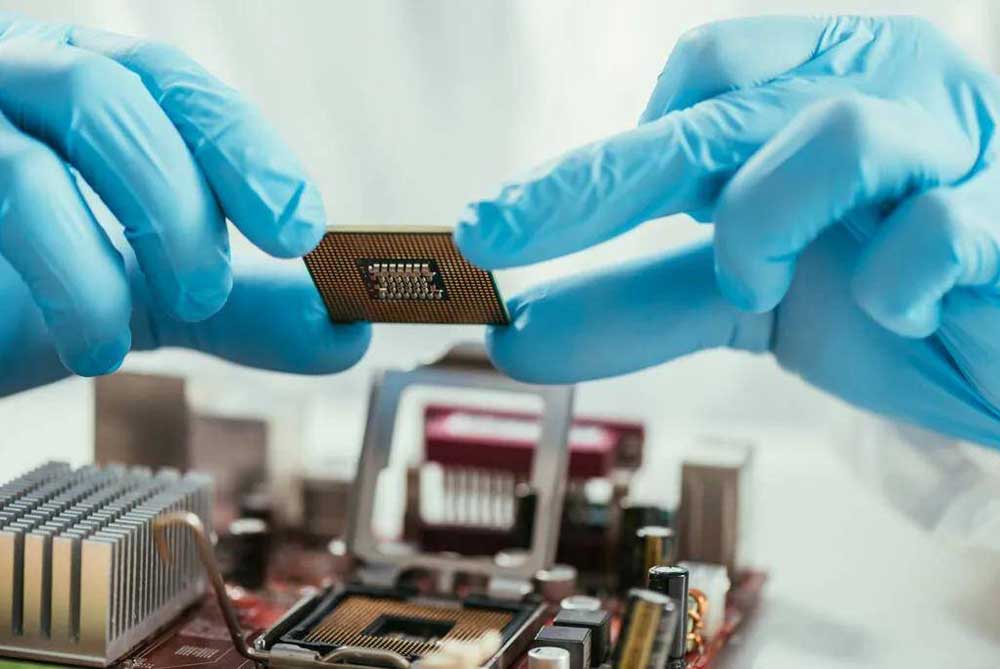
Antistatic and high-sensitivity gloves for electronics assembly and manufacturing.
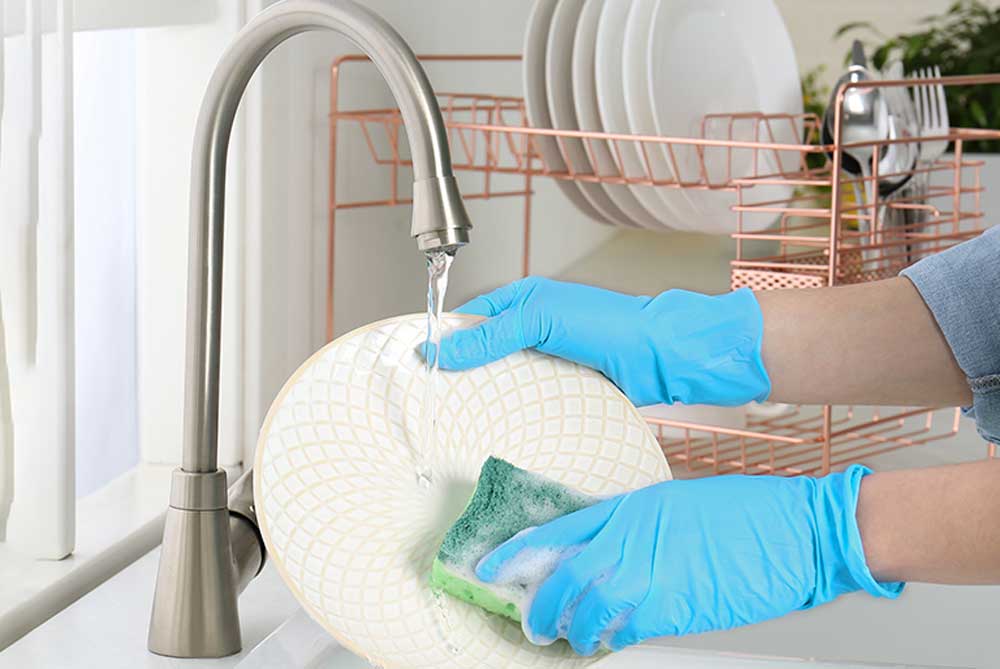
Durable barrier protection for domestic cleaning, pet care, and maintenance.
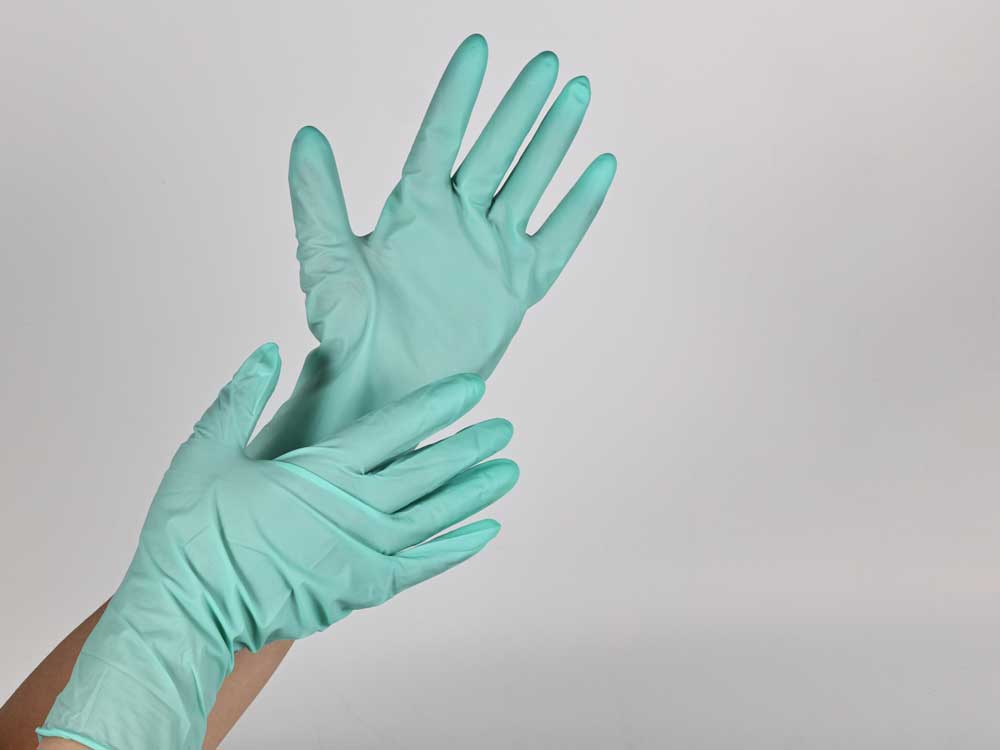
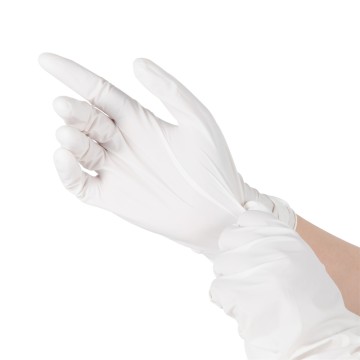
Proper donning techniques are vital to prevent cross-contamination during invasive procedures...
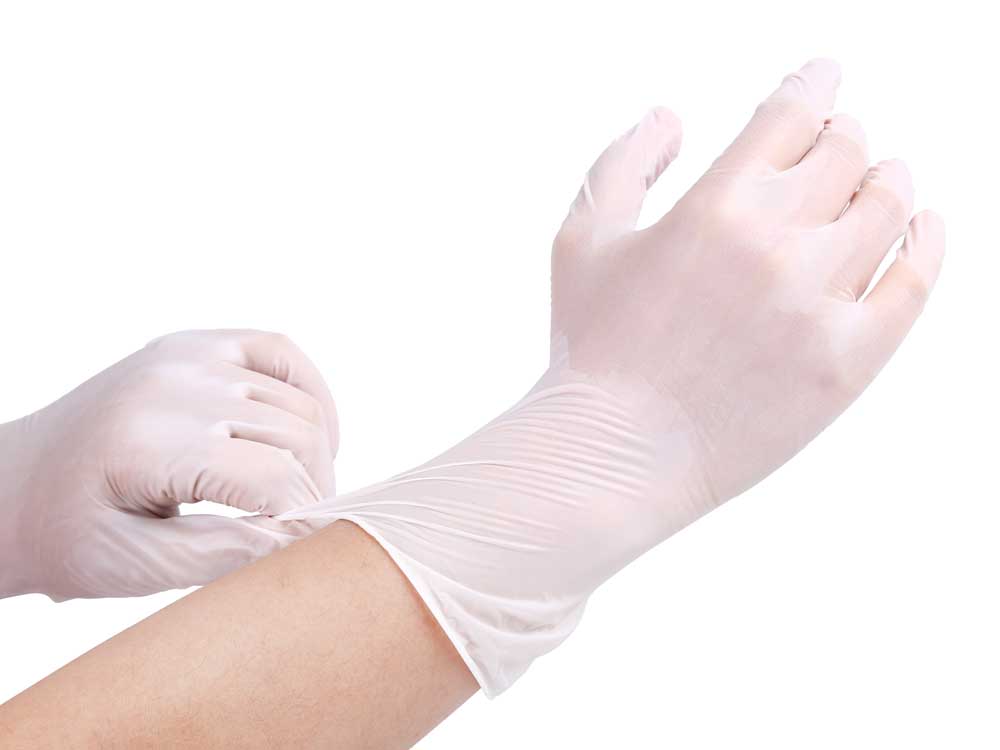
Hand contact is one of the primary risk points for cross-contamination in processing and studio setups...
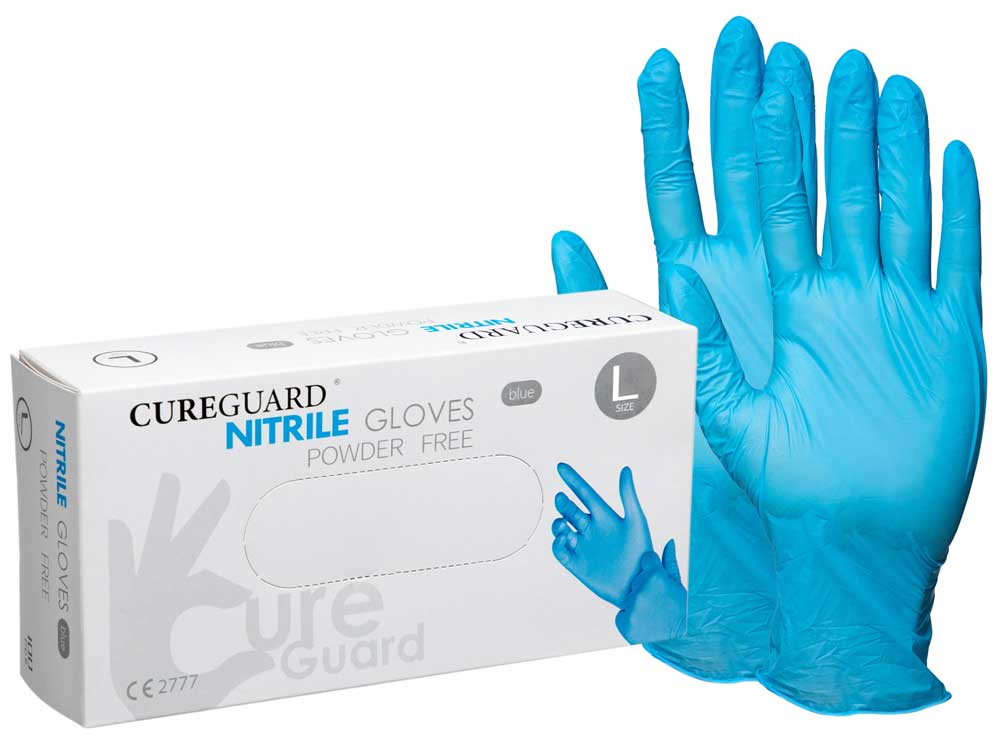
With growing awareness of safety protection, the global demand for high-quality nitrile gloves is rising...