
Leave Your Message
-
Contact Phone
-
 Contact Email
Specially adapted medical-grade barrier designs ensuring low particle shedding, high ESD control, and extreme tactile precision.
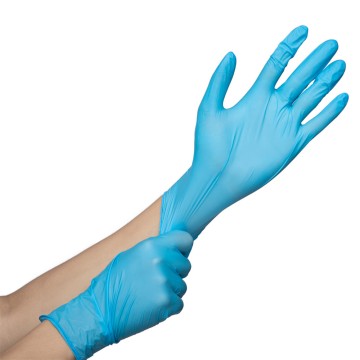
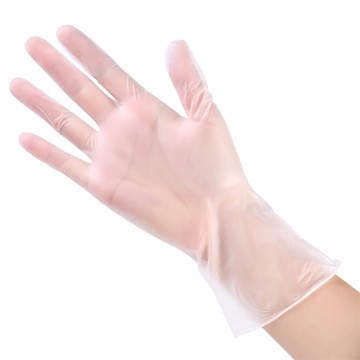
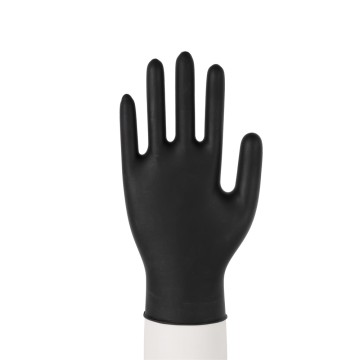
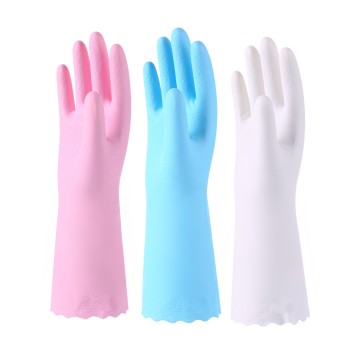
In the highly controlled environments of modern semiconductor and micro-electronics manufacturing, contamination control is the ultimate determinant of product yield and reliability. Traditionally, assembly lines relied on standard cleanroom gloves. However, as micro-circuitry shrinks to the nanometer scale, standard protective wear is no longer sufficient. Enter a surprising but highly logical technological crossover: the utilization of sterile, extended-cuff gynecological gloves for precision electronics assembly.
Gynecological gloves, historically designed for sterile medical environments and surgical procedures, possess unique features that align perfectly with the rigorous requirements of advanced electronic cleanrooms. These gloves are manufactured to meet the highest standards of biosafety, particle control, tactile sensitivity, and forearm protection. As electronic components become more complex and vulnerable to human contamination, these medical-grade gloves are filling a critical gap in industrial hand protection.
A single microscopic skin flake, drop of perspiration, or electrostatic discharge (ESD) can destroy a multi-million dollar microchip wafer. Gynecological gloves provide a continuous, sterile, and extended barrier that mitigates these risks better than traditional wrist-length industrial gloves.
Standard cleanroom gloves typically feature a 240mm to 290mm cuff length, barely covering the wrist. During precision assembly, technicians must reach into laminar flow hoods or complex machinery, exposing the gap between the cleanroom smock sleeve and the glove. This gap is a major source of particulate shedding, skin oils, and hair contamination.
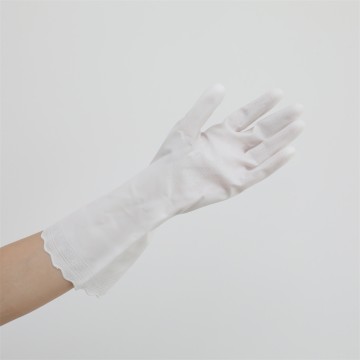
Gynecological gloves are characterized by their extended length, typically ranging from 400mm to 480mm (elbow length). This extended cuff allows the glove to be pulled securely over the cleanroom gown sleeve up to the forearm or elbow. This creates a hermetic seal that prevents skin cells, sweat, and hair from escaping into the micro-environment, ensuring maximum containment of human-derived contaminants.
Because gynecological gloves are classified as Class IIa or Class IIb medical devices, they undergo rigorous sterilization processes (typically Gamma irradiation or Ethylene Oxide gas). In the electronics industry, "sterile" translate directly to "ultra-low particulate count." The washing and rinsing cycles required to achieve medical-grade sterility remove surface chemical residues, mold release agents, and loose particles that would otherwise cause ionic contamination on sensitive printed circuit boards (PCBs) or silicon wafers.
The global precision electronics manufacturing sector is experiencing rapid transformation, driven by the expansion of 5G infrastructure, artificial intelligence (AI) chips, automotive micro-controllers, and aerospace electronics. This growth has triggered a parallel demand for high-performance contamination control gear. The market for gynecological-style extended-cuff gloves within the electronics industry has seen a compound annual growth rate (CAGR) of over 8.5% in recent years.
Industrial purchasing managers are shifting from cheap, low-spec disposable gloves to high-spec medical and cleanroom-grade options. While the initial cost of sterile, extended-cuff gloves is higher, the return on investment (ROI) is realized through a significant reduction in product defect rates (yield loss). In semiconductor fabrication plants (Fabs), improving yield by even 0.5% can translate into millions of dollars in additional weekly revenue, easily offsetting the premium cost of superior hand protection.
The industry is moving toward hybrid glove formulations. Manufacturers are now blending the electrostatic dissipative (ESD) properties of specialized nitrile with the comfort, fit, and sterile processing of surgical-grade gynecological gloves. Furthermore, sustainability is becoming a major driver. Biodegradable nitrile formulations that maintain cleanroom purity and mechanical strength are currently being integrated into high-volume manufacturing lines.
A Global Leader in High-Performance Hand Protection and Cleanroom Solutions.
Established in 2006 and headquartered in Jiangsu Province, China, Cureguard Glove Group has been specialized in glove manufacturing for over 20 years. We roll out different series of products to address various routine and high-precision scenario needs, including medical examination, food contact, electronic cleanrooms, and household protection.
By leveraging state-of-the-art production technology and strict quality control systems, we ensure that our products meet the highest international standards for both medical safety and industrial contamination control.



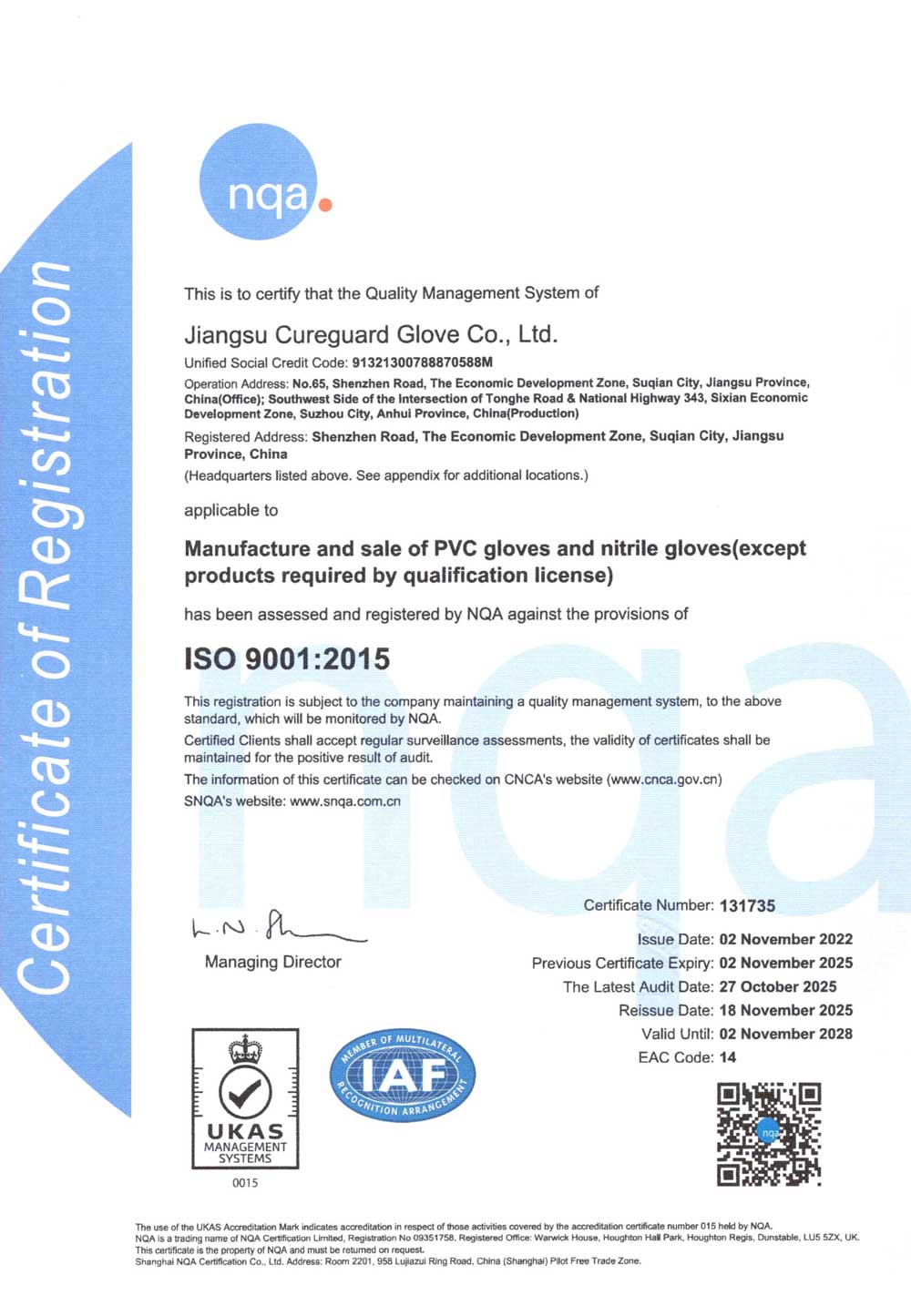
Our manufacturing facilities comply with international standards, ensuring safety, reliability, and quality for medical and high-tech industries alike.
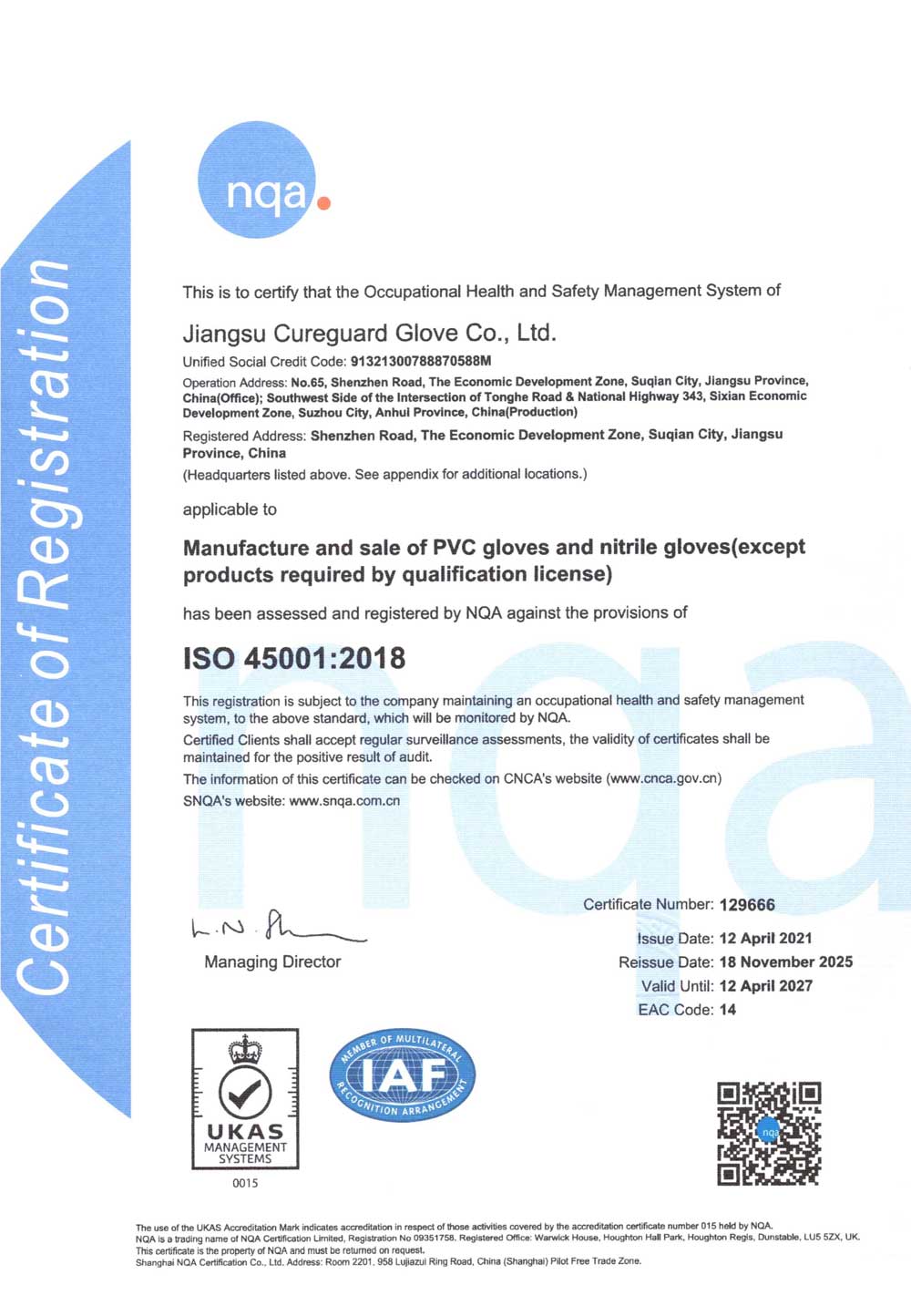
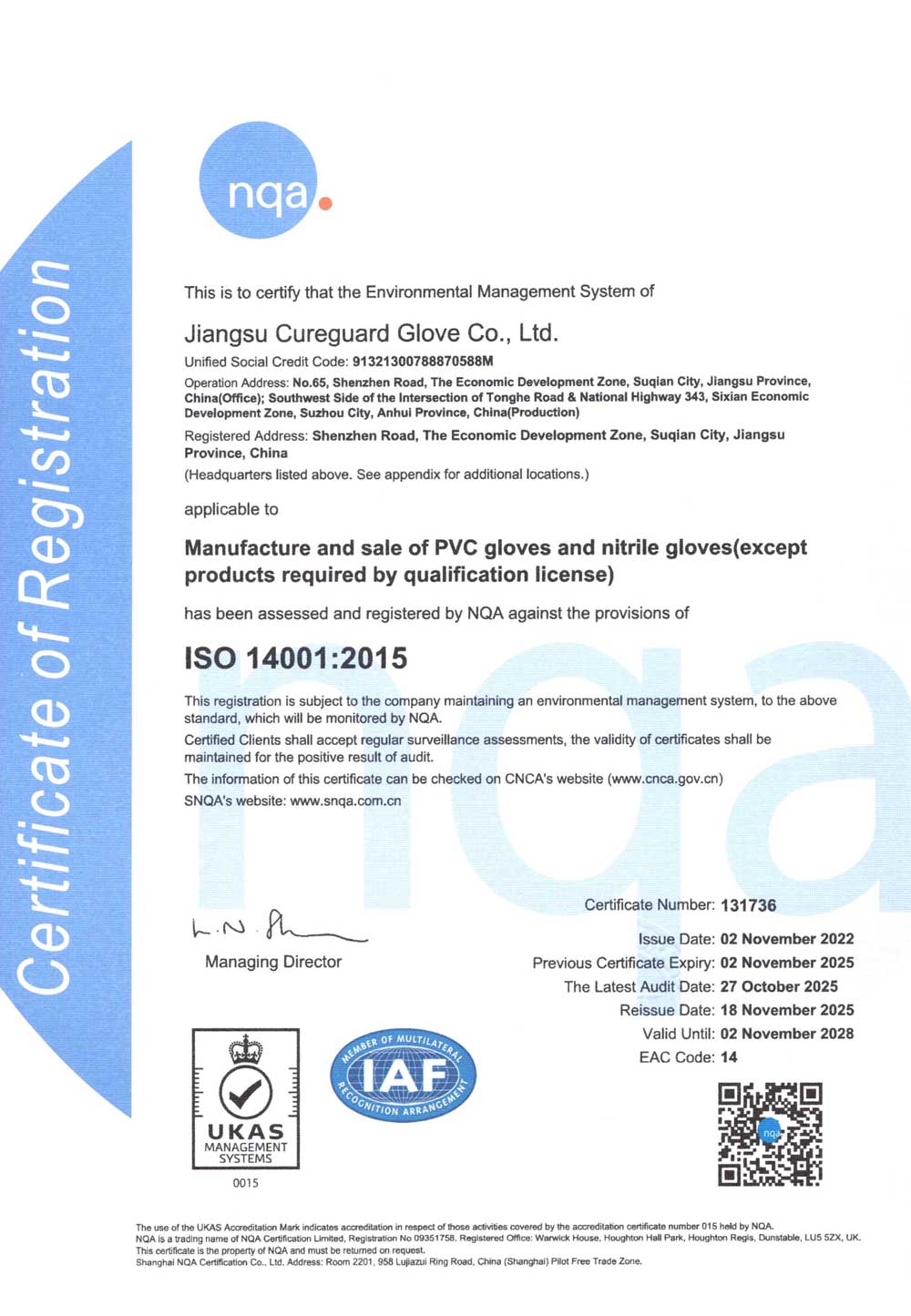
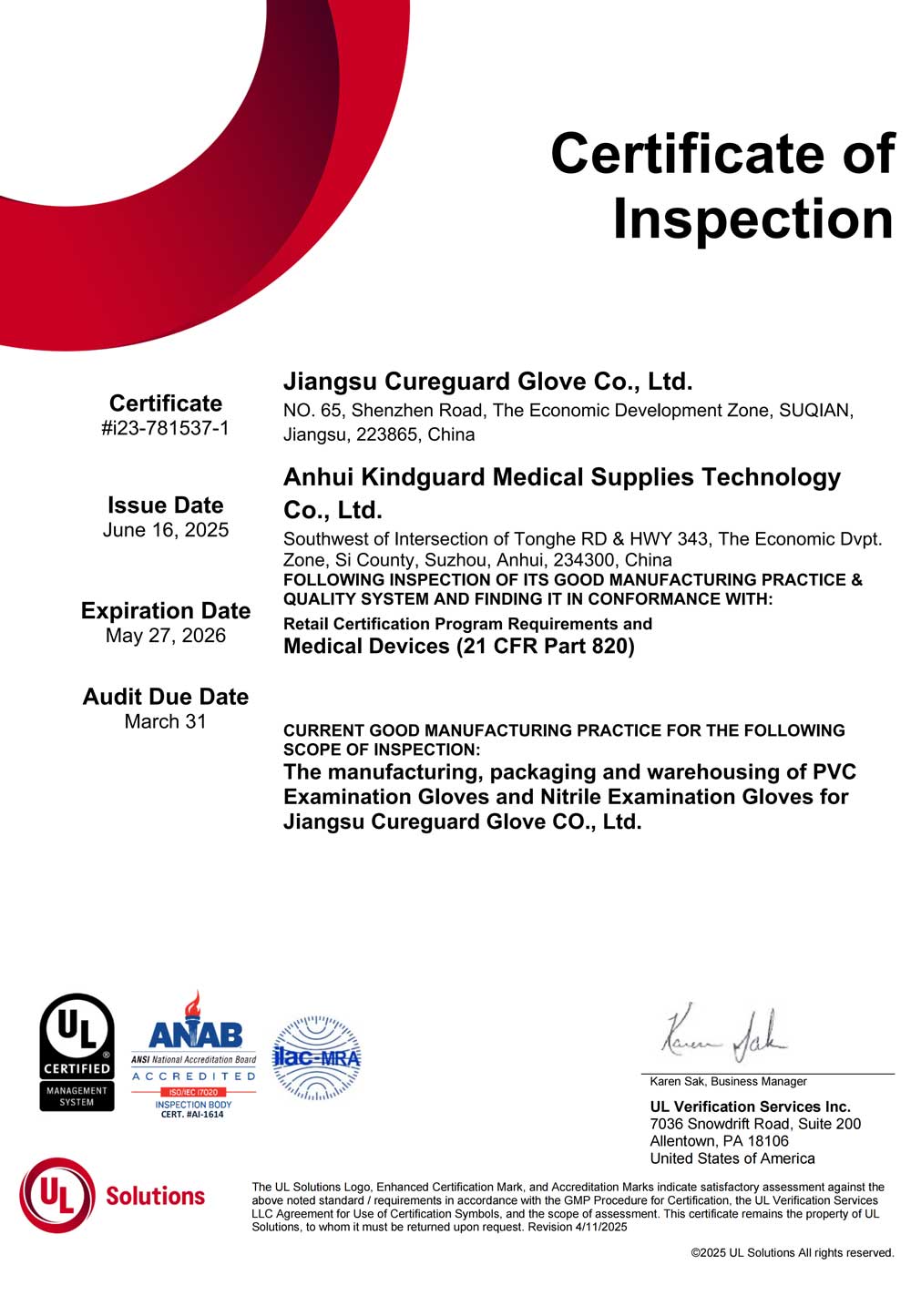
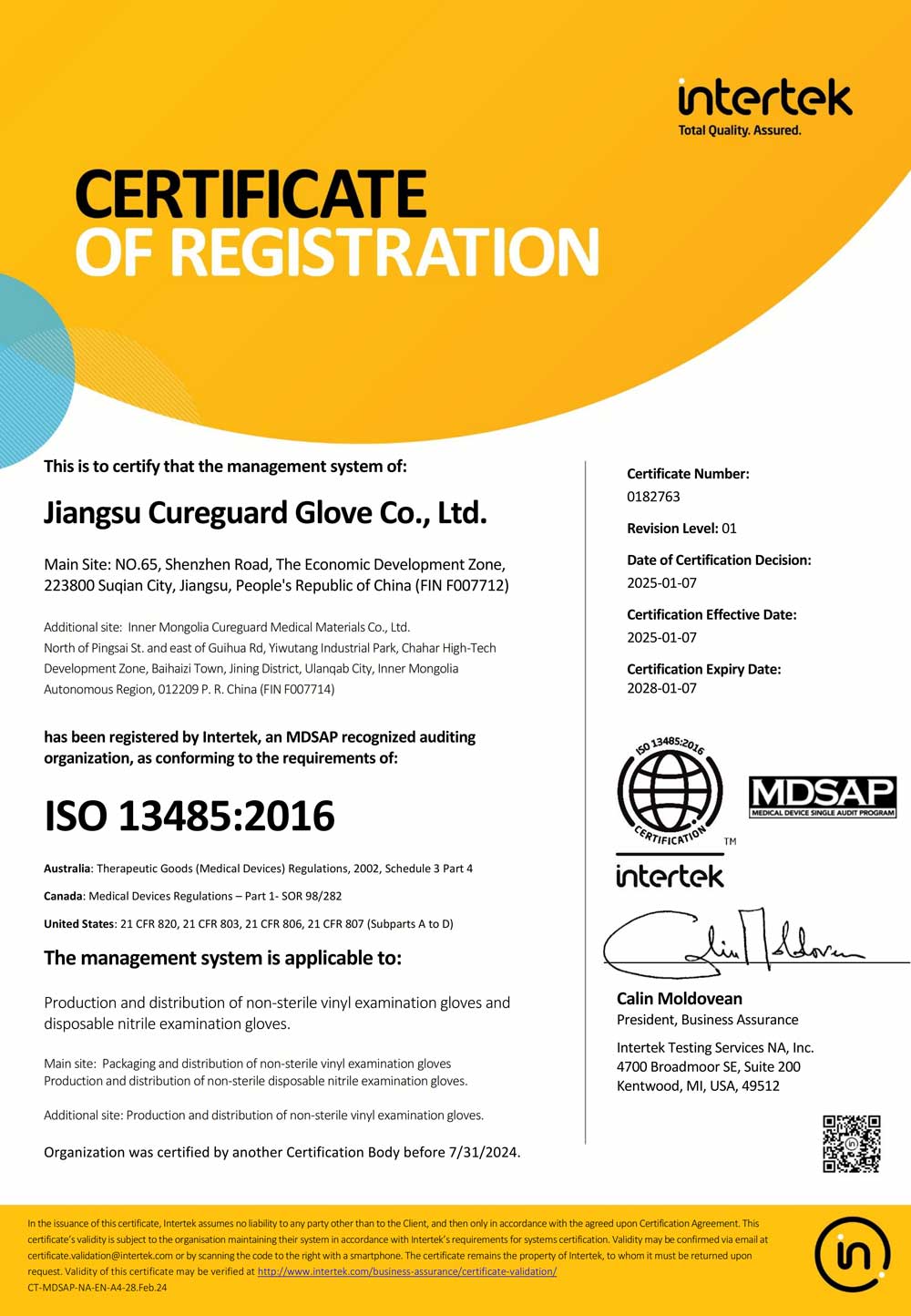
From advanced cleanrooms to sterile medical environments, our gloves offer high-performance barriers for critical tasks.
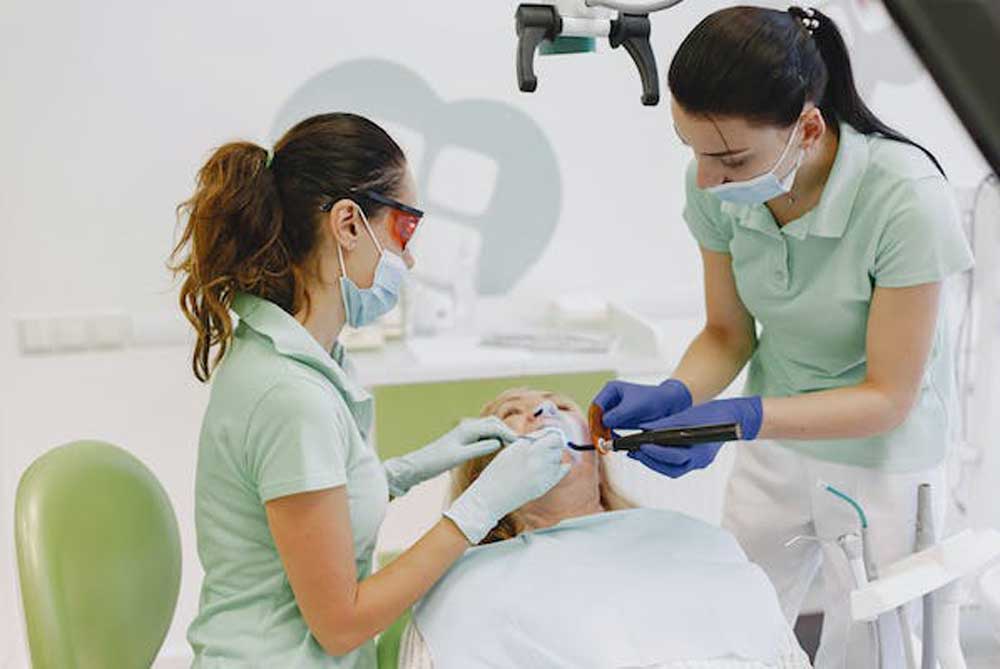
 Medical & Surgical
Providing sterile barriers, superior tactile feedback, and high puncture resistance for surgical, diagnostic, and clinical environments.
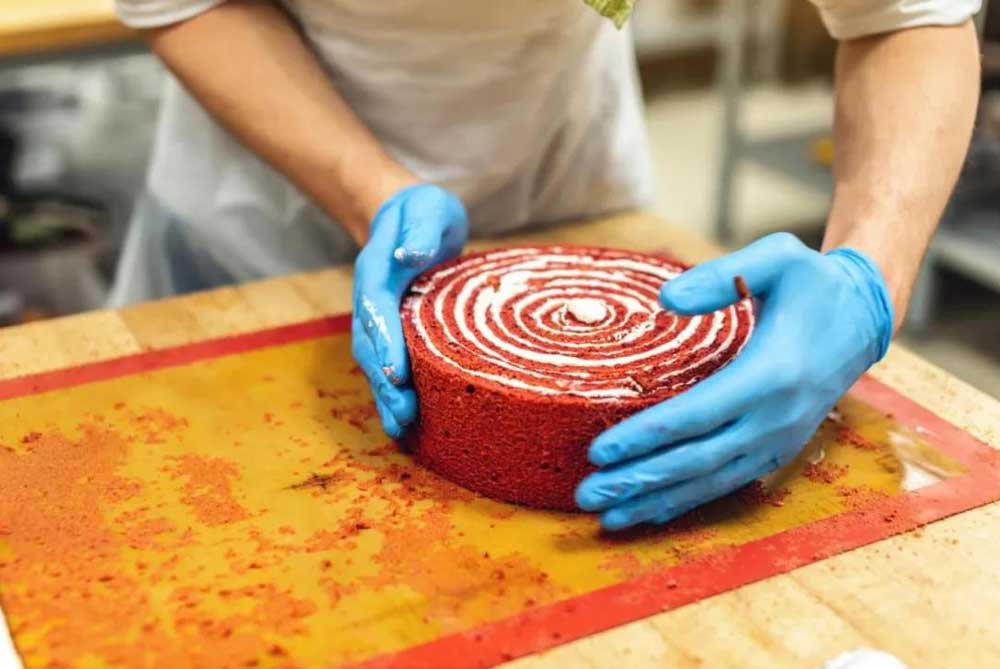
 Food Handling
FDA-compliant, powder-free gloves designed to prevent cross-contamination and ensure high safety standards in food processing plants.
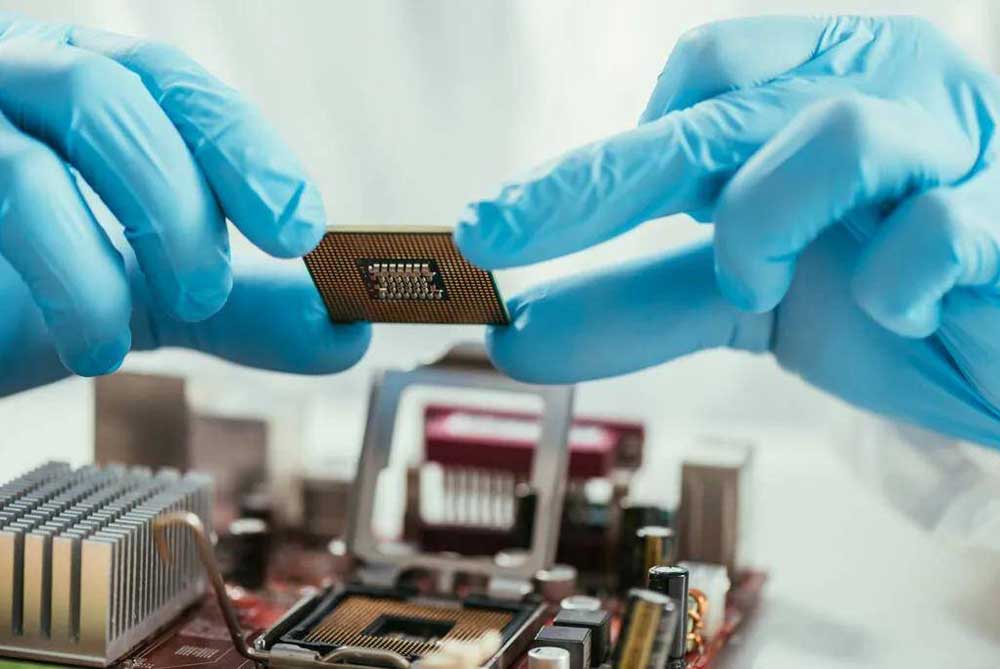
 Precision Industry
Antistatic, low-particle, high-sensitivity gloves tailored for semiconductor fabrication, SMT assembly, and optical electronics.
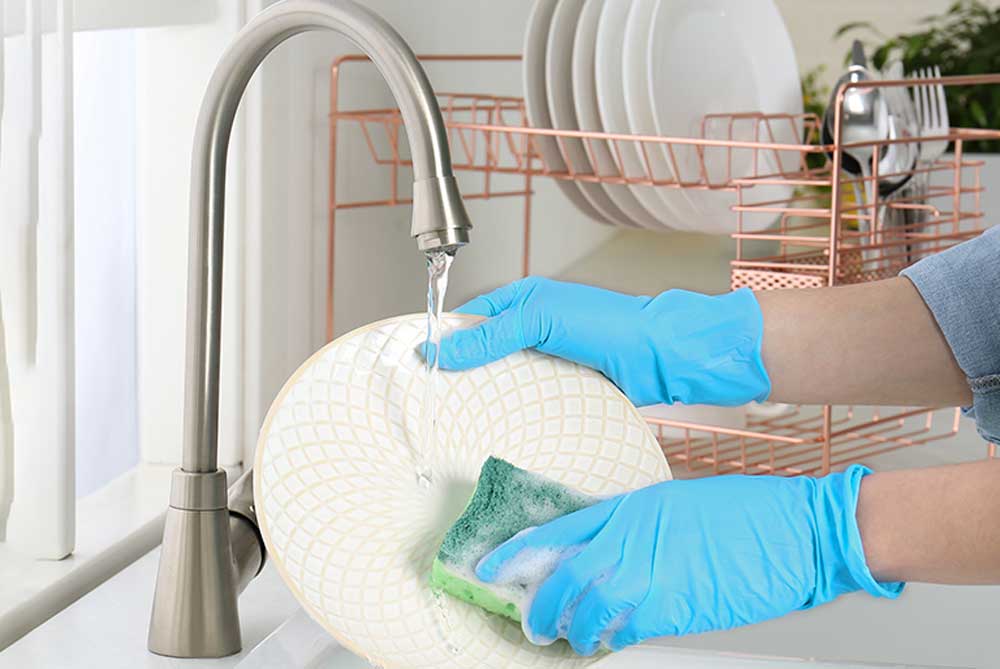
 Household Care
Durable, chemical-resistant vinyl and nitrile gloves providing the first line of defense for daily cleaning and household chores.
Stay updated with our latest insights on barrier technology, safety regulations, and cleanroom trends.
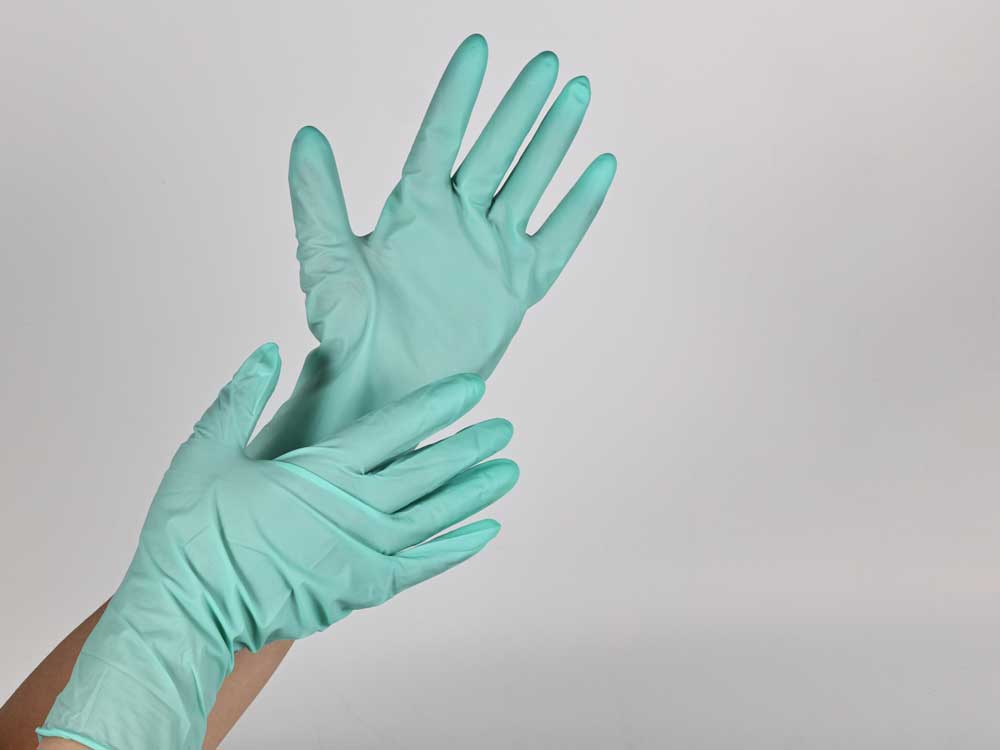
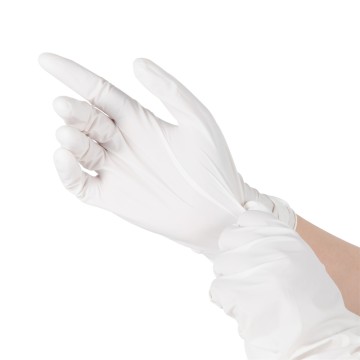
A detailed guide on sterile glove donning protocols to prevent bacterial cross-infection and micro-particle release during critical procedures.
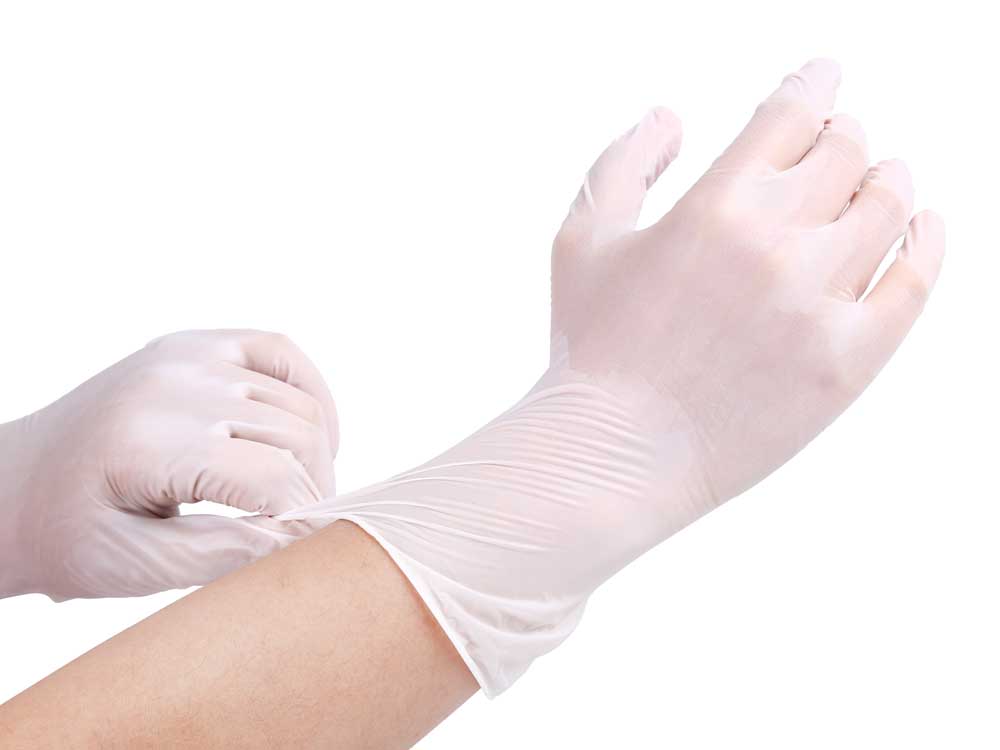
Exploring the role of specialized vinyl gloves in mitigating cross-contamination hazards and chemical exposure in modern processing environments.
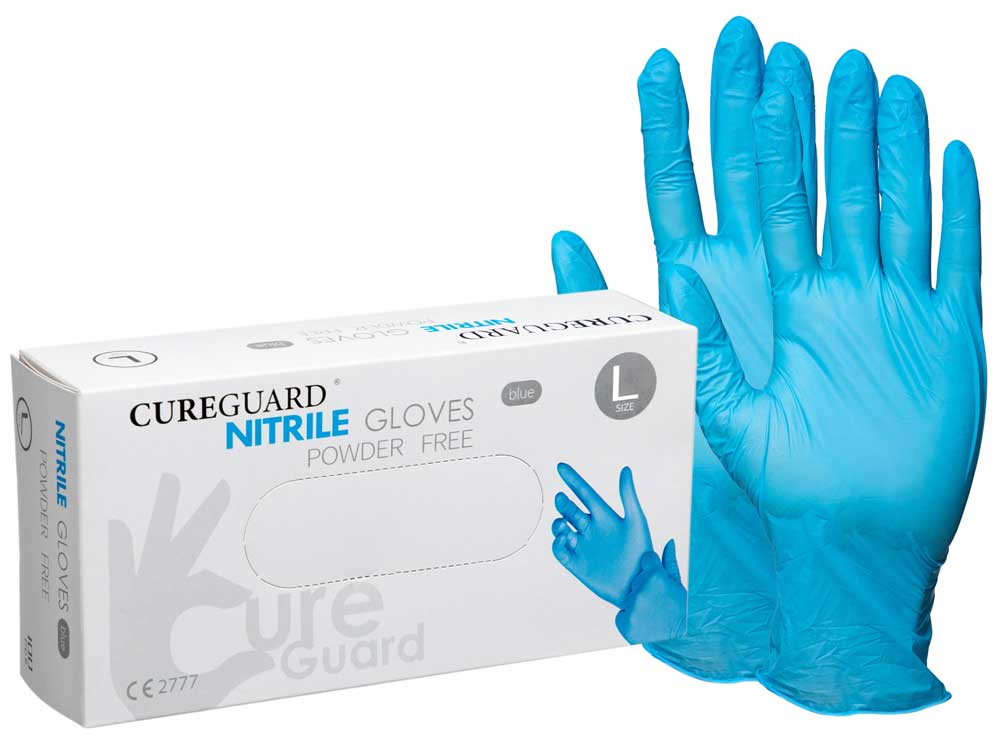
Analyzing the growing global demand for high-tensile, chemical-resistant nitrile gloves across scientific and industrial cleanroom fields.
High-quality, factory-direct vinyl and nitrile protective solutions designed for diverse cleanroom, medical, and household applications.