
Leave Your Message
-
Contact Phone
-
 Contact Email
Advanced synthetic formulations delivering electrostatic dissipation, microscopic tactile sensitivity, and zero-residue component handling.
Navigating the stringent contamination control, sub-micron yield demands, and electrostatic requirements of the global electronics industry.
In the rapidly advancing landscape of high-density microelectronics, semiconductor fabrication, and printed circuit board assembly (PCBA), the human hand remains both the primary assembly tool and the greatest potential vector for contamination and catastrophic electrostatic discharge (ESD). The global precision electronics manufacturing sector has transitioned from standard natural rubber latex and low-grade vinyl barriers to ultra-pure acrylonitrile butadiene (nitrile) disposable gloves. This transition is not merely a preference for allergy-free synthetics; it is a fundamental engineering requirement dictated by atomic-level cleanroom specifications, automated SMT pick-and-place tolerances, and tight chemical exposure profiles.
As consumer electronics, automotive electronic control units (ECUs), 5G telecommunication infrastructure, aerospace avionics, and AI compute accelerators shrink their pitch distances down to single-digit micrometers, the tolerances for particulate shedding, ionic extractables, and non-volatile residues (NVR) have reached unprecedented thresholds. A single fingerprint oil deposit, skin flake, or micro-spark of static electricity can induce latent circuit defects, gate oxide breakdown, or interfacial corrosion, costing semiconductor manufacturers millions in scrap and warranty liability.
Formulated with controlled surface resistivity (109 to 1011 ohms/sq) ensuring safe charge decay without relying on transient, contaminating anti-static coatings.
Multi-stage DI water deionized leaching processes eliminate chloride, sulfate, nitrate, and heavy metal ions, protecting delicate silver and copper micro-traces.
Engineered fingertip micro-etching provides superior dry, wet, and solvent grip for delicate manipulation of 01005 surface-mount passives and silicon wafers.
Historically, the electronic assembly line utilized basic latex gloves or anti-static finger cots. However, natural latex carries innate risks of protein allergenicity (Type I sensitization) and contains high residual plasticizers and sulfur accelerators that readily cause tarnishing on gold, silver, and copper wire bonds. Conventional PVC/vinyl gloves, while cost-effective for coarse handling, exhibit high outgassing, poor elasticity, and lack static decay characteristics required in static safe workstations.
Contemporary cleanroom-grade nitrile polymers eliminate sulfur blooming and plasticizer migration. Through precision polymer crosslinking and accelerator-free vulcanization chemistries, modern nitrile formulation achieves an optimal balance between tensile strength (exceeding 18 MPa), elongation at break (above 500%), and elastic modulus. This allows the glove film to adapt closely to the operator's thermal signature, minimizing hand fatigue during repetitive manual alignment, wire routing, microscope inspection, and final quality control operations.
Rigorous chemical, physical, and particulate parameters audited against international standards including ANSI/ESD S20.20, IEST-RP-CC005.4, and ASTM D6319.
| Performance Metric | Test Standard | Standard Nitrile | Electronics Cleanroom Nitrile |
|---|---|---|---|
| Surface Resistivity (Ω/sq) | ANSI/ESD STM11.11 / EN 1149 | 1011 - 1013 (Insulative range) | 108 - 1010 (Static Dissipative) |
| Static Decay Time (5000V to 0V) | FTMS 101C, Method 4046 | > 2.0 seconds | < 0.5 seconds |
| Particle Count (≥ 0.5 μm) | IEST-RP-CC005.4 (Orbital Shake) | > 3,500 counts/cm² | < 1,200 counts/cm² (Class 100/1000) |
| Extractable Chloride (Cl-) | Ion Chromatography (IC) | > 5.0 μg/cm² | < 0.8 μg/cm² (Anti-Corrosion) |
| Non-Volatile Residue (IPA NVR) | IEST-RP-CC005.4 | > 30 μg/cm² | < 5.0 μg/cm² |
| Solvent Degradation Resistance | ASTM F739 (IPA & Acetone) | Moderate swelling | High chemical resilience against SMT fluxes & IPA |
| Silicone & Amide Contamination | FTIR Spectroscopy | Variable / Present | Zero Detectable Silicone, Amide, or DOP |
Electrostatic Discharge is one of the most subtle yet devastating threats in precision electronics. In micro-chip packaging and SMT board fabrication, potential differences as small as 30 to 50 volts can permanently breach thin insulating dielectric layers or fry delicate MOSFET gates. Standard disposable gloves generate substantial triboelectric charges when sliding across polyethylene trays, printed circuit boards, or assembly jigs.
Our specialized nitrile gloves for precision electronics assembly incorporate proprietary inherently dissipative polymer networks. Rather than insulating the worker, the nitrile matrix facilitates controlled charge migration away from sensitive components to grounded table mats and wrist-strap grounding setups, ensuring that rapid transient discharge pulses never reach the operational components.
Optimized for end-to-end reliability across critical electronics manufacturing workcells.
Ideal for solder paste stencil management, manual placement of small passives, reflow oven handling, and automated optical inspection (AOI) verification without transferring fingerprint oils or salts.
Tested in Class 100/ISO 5 cleanroom conditions. Offers non-marking micro-textured fingers for steady cassette loading, wafer carrier manipulation, and die attach procedures.
Precision lens positioning and CMOS/LiDAR sensor assembly demanding zero silicone oil transfer and zero particulate outgassing that could cause optical distortion or lens hazing.
Protection against solvent spillage (NMP, electrolyte solvents) and preventing metal ion contamination on cathode/anode separator films during pouch and prismatic cell winding.
Crucial for ultra-clean mechanical sub-assembly where read/write head fly-heights under 5 nm dictate near-zero organic residue and microscopic particulate tolerances.
Resists continuous exposure to Isopropyl Alcohol (IPA), flux cleaners, solvent degreasers, and convective heat, ensuring operators maintain high precision and total hand protection.
How cutting-edge chemical formulation and green manufacturing techniques are shaping the future of industrial hand protection.
In electronic assembly lines, workers frequently encounter aggressive chemical compounds including no-clean solder fluxes, isopropyl alcohol (IPA 99.9%), terpene cleaners, ultrasonic degreasing agents, and epoxy potting adhesives. Natural latex breaks down rapidly upon contact with organic solvents, and vinyl gloves experience plasticizer extraction, becoming brittle and sticky.
Synthetic nitrile elastomers exhibit intrinsic crosslinked molecular bonds that resist non-polar solvents and hydrocarbon penetration. Our precision-engineered nitrile gloves undergo stringent continuous permeation and degradation testing, providing an impermeable chemical shield that prevents skin contact dermatitis while maintaining tactile elasticity even under extended solvent wiping cycles.
Fine-pitch assembly requires handling miniature tweezers, vacuum pens, torque screwdrivers, and micro-screws (M1.0 and smaller). A thick or slippery glove drastically increases the grip pressure required by the operator, leading to chronic carpal tunnel syndrome, hand cramping, and dropped components. By optimizing the film thickness to an ultra-sensitive 3.0 to 4.0 mil gauge and applying laser-etched diamond micro-texturing on finger pads, our nitrile gloves deliver a remarkable coefficient of friction in both dry and solvent-moistened environments.
As global Tier-1 electronics OEMs drive toward carbon-neutral supply chains and comprehensive RoHS/REACH compliance, disposable glove manufacturing is undergoing an eco-friendly transformation. Modern production lines utilize energy-efficient dipping ovens, water recycling loops with 90%+ water reuse, and biodegradable polymer additives that accelerate anaerobic decomposition in municipal landfill environments without compromising cleanroom shelf-life.
Furthermore, accelerator-free nitrile formulations eliminate the use of dithiocarbamates, thiurams, and mercaptobenzothiazoles. This not only safeguards electronic components from sulfur-induced silver tarnishing but also protects factory workers from occupational Type IV allergic reactions, establishing a healthier, higher-yielding manufacturing ecosystem.
Comprehensive glove solutions for medical, electronics assembly, cleanroom inspection, and industrial manufacturing.
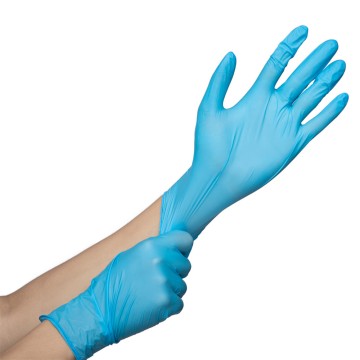
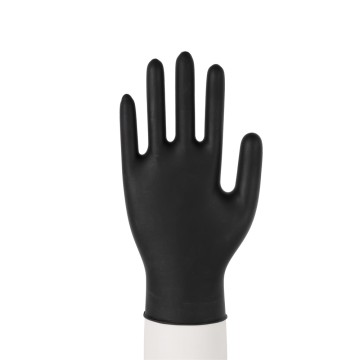
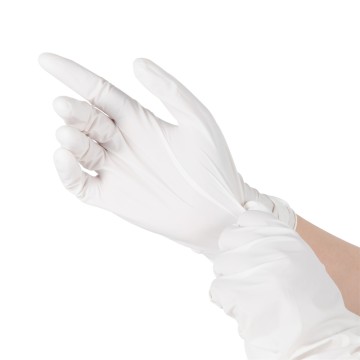
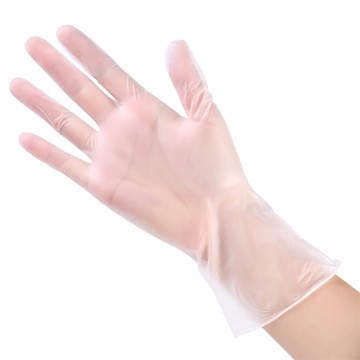
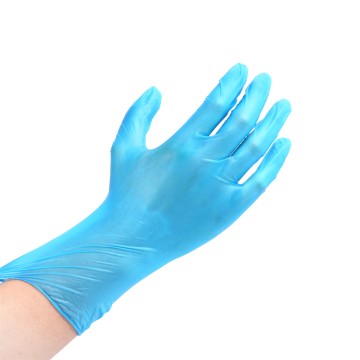
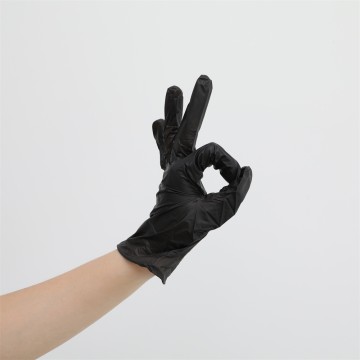
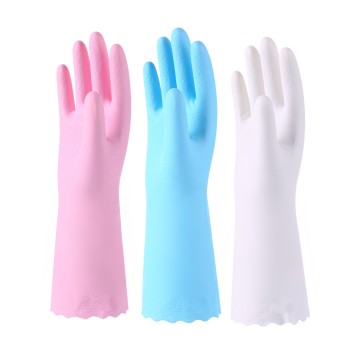
Established in 2006 and headquartered in Jiangsu Province, China, Cureguard Glove Group is specialized in glove manufacturing for over 20 years.
We own over 60 production lines dedicated to disposable vinyl and nitrile gloves, and reusable vinyl gloves with an annual output exceeding 10 billion pieces. We supply various kinds of gloves to customers in more than 100 countries and regions worldwide.
We roll out different series of products to address various routine scenario needs, such as medical examination, food contact, electronic industry, and household use.



Adhering to strict international standards for medical, industrial, and cleanroom production reliability.
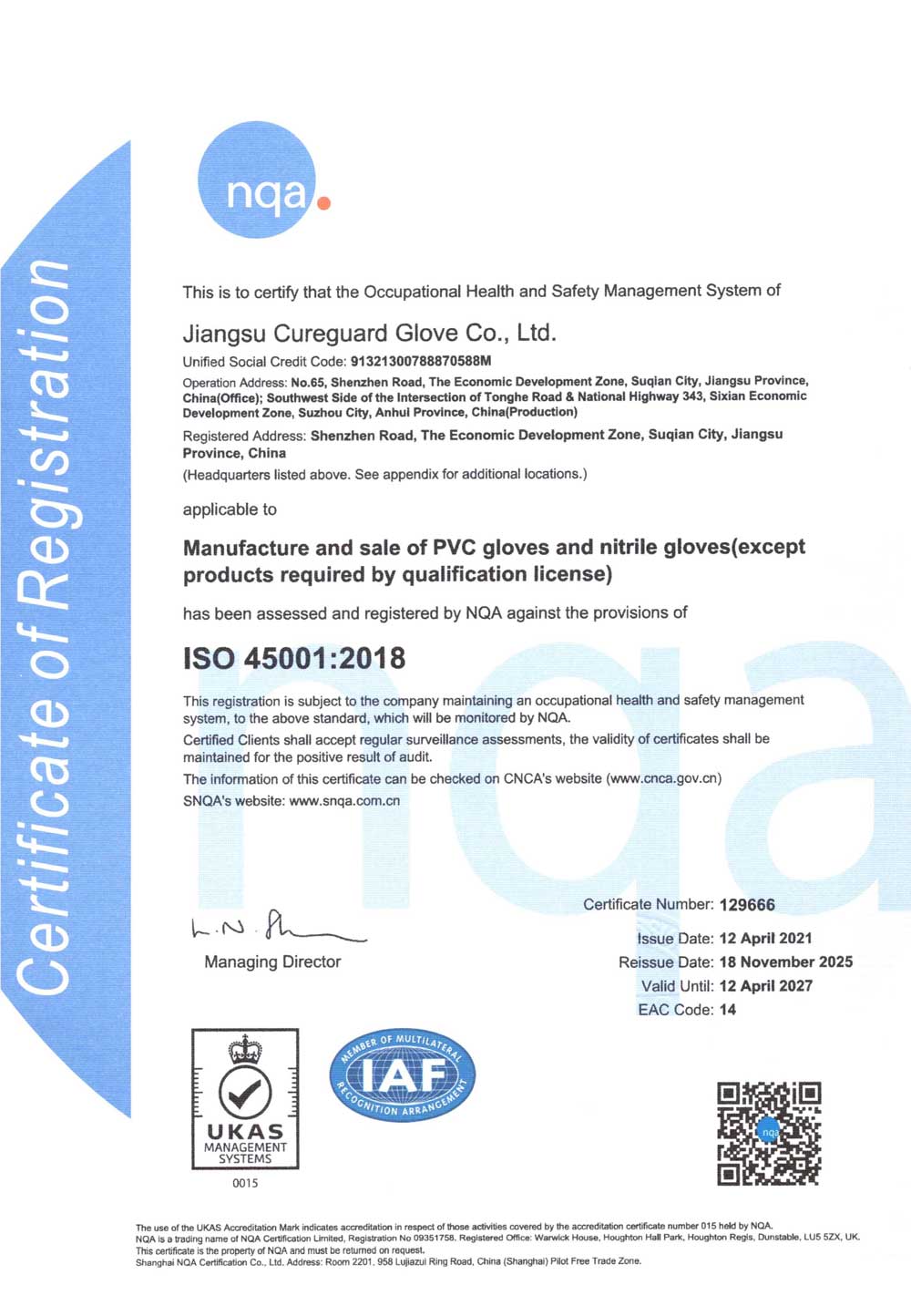
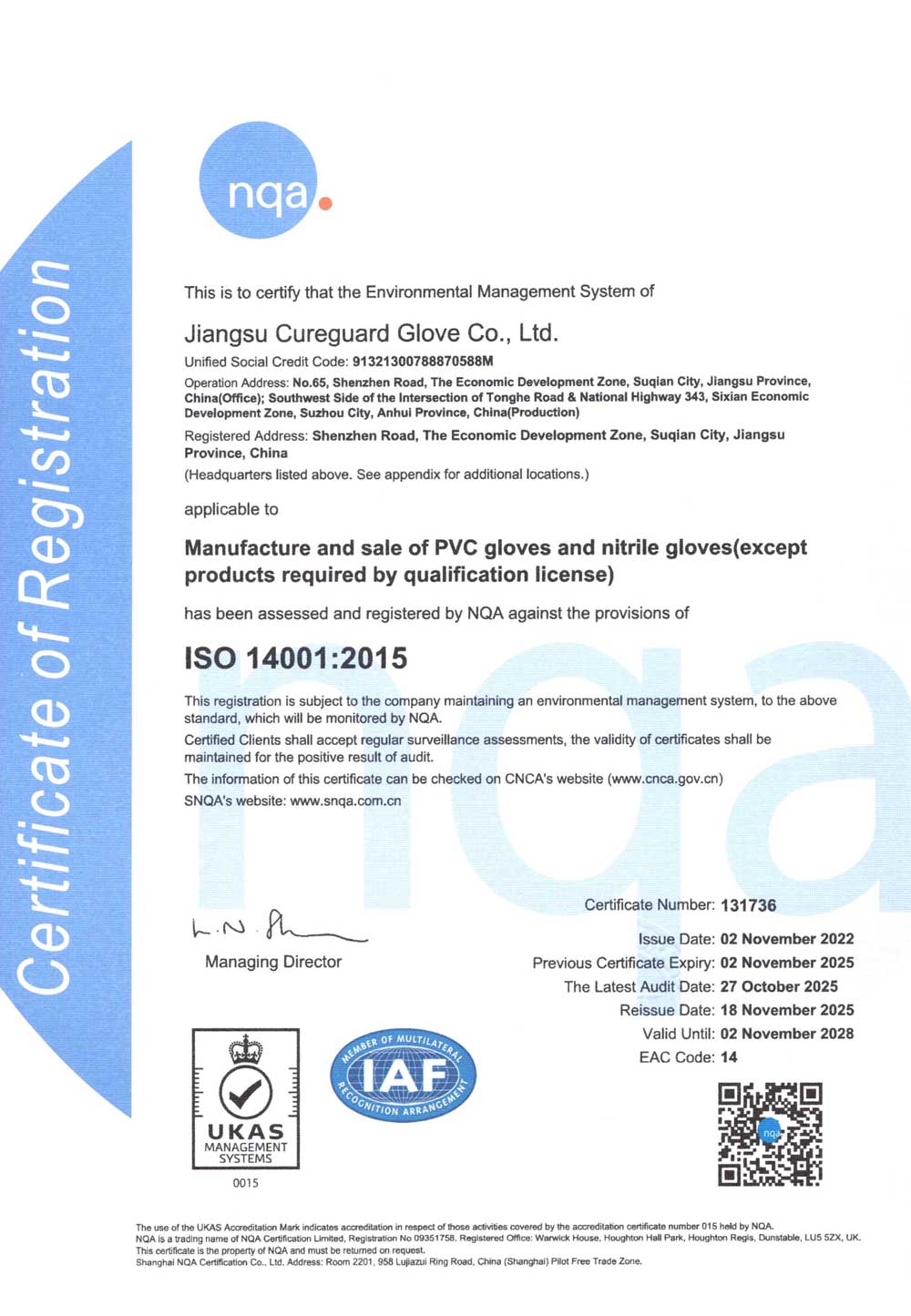
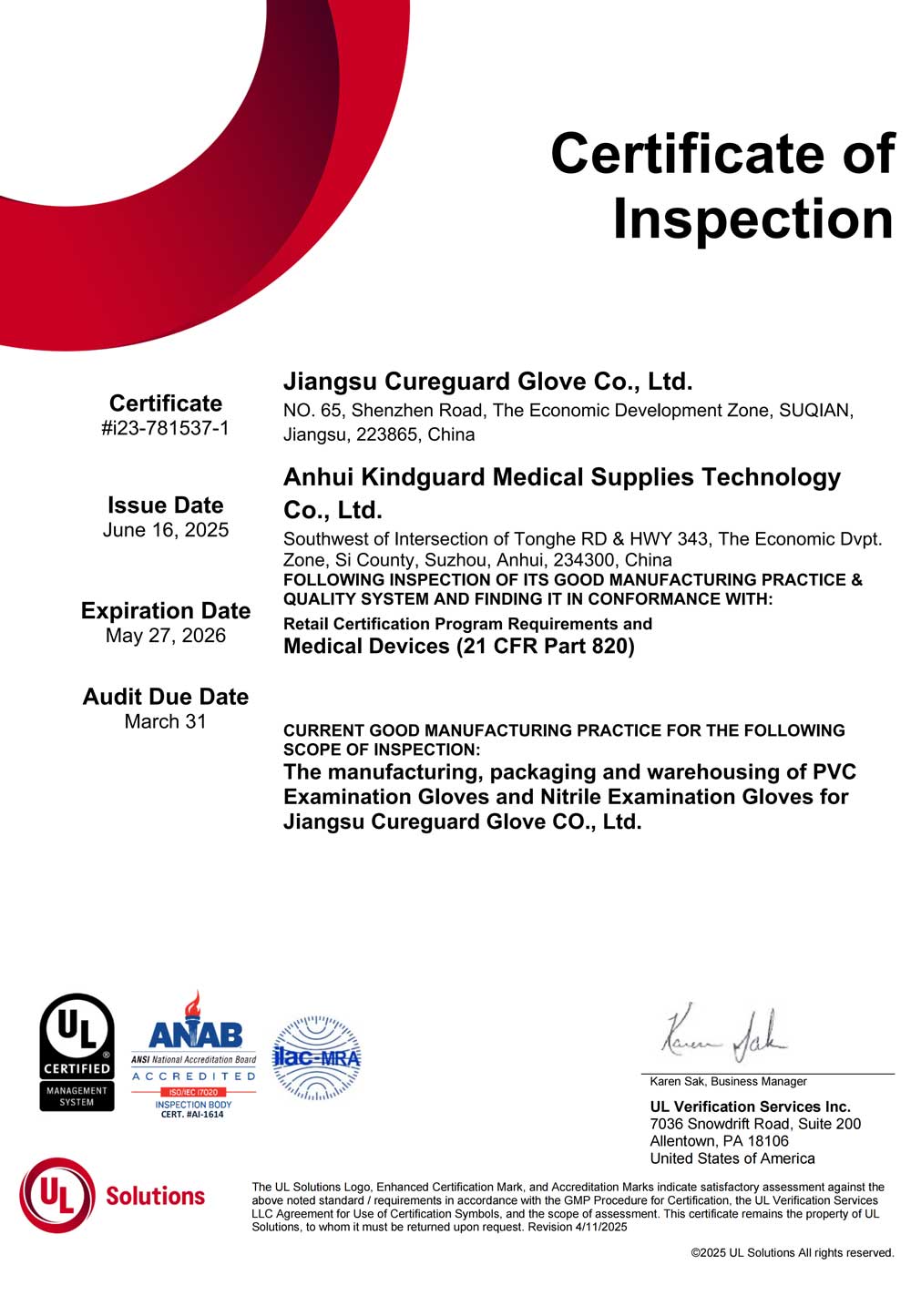
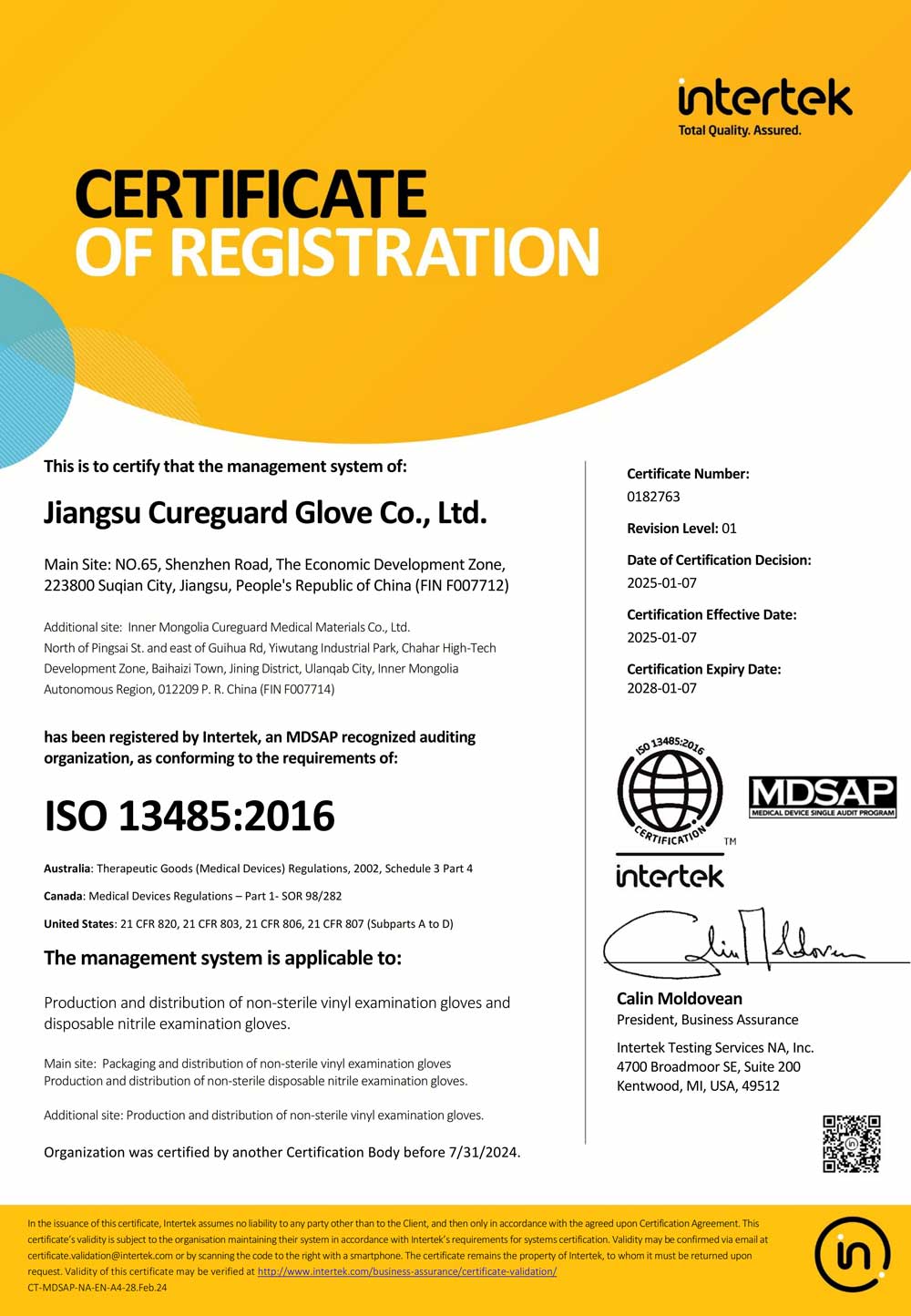
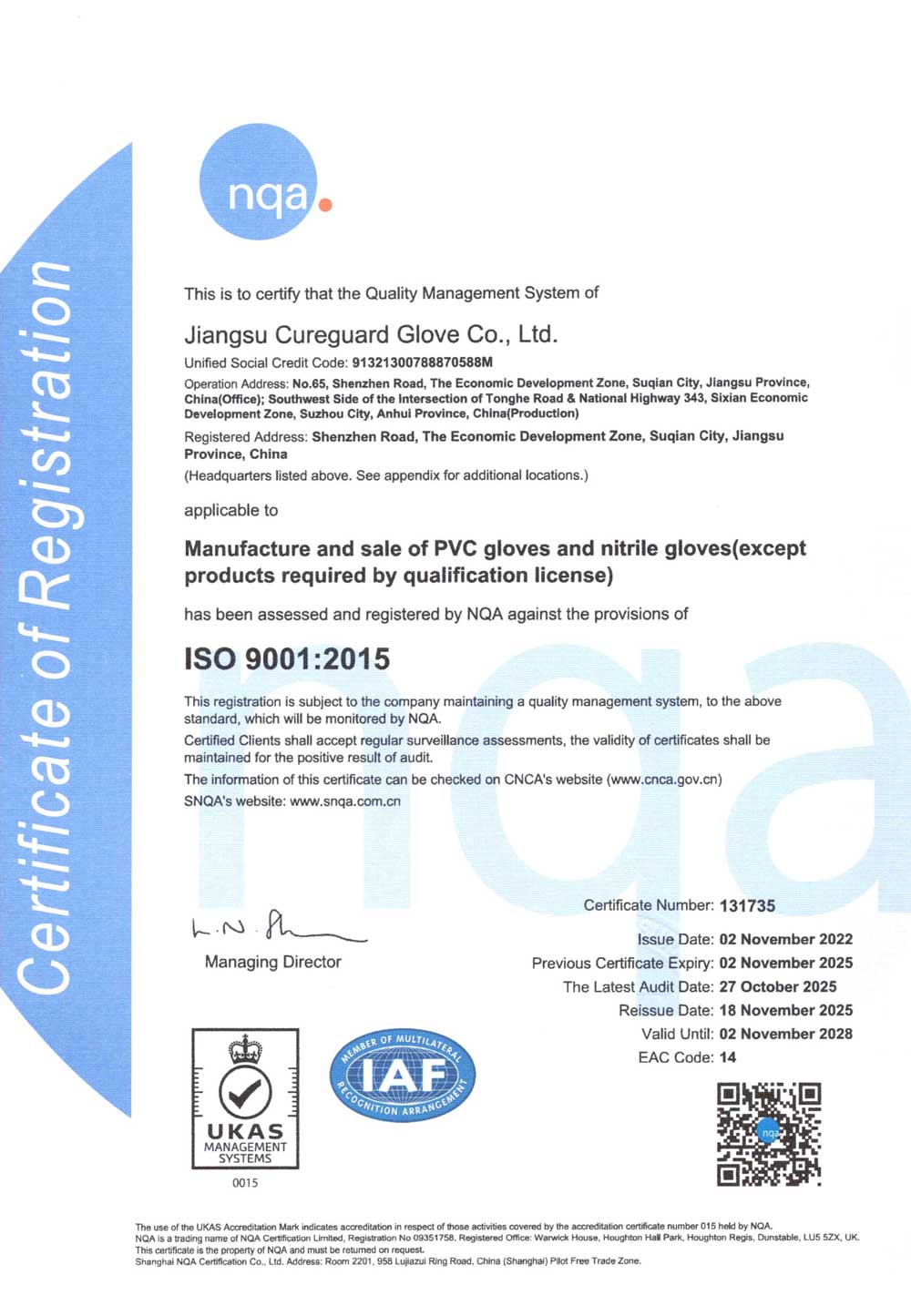
Engineered solutions meeting rigorous hygiene, protection, and tactile requirements across global domains.
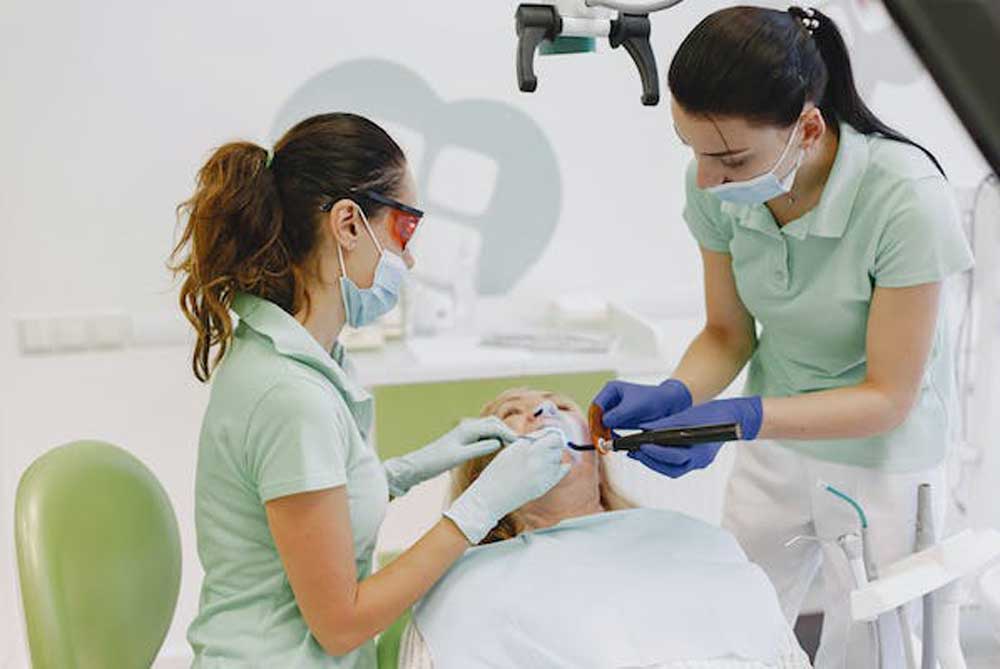
 Medical Care
Reliable biological barrier protection, tear resistance, and surgical-grade tactile sensitivity for healthcare professionals and medical laboratories.
Learn More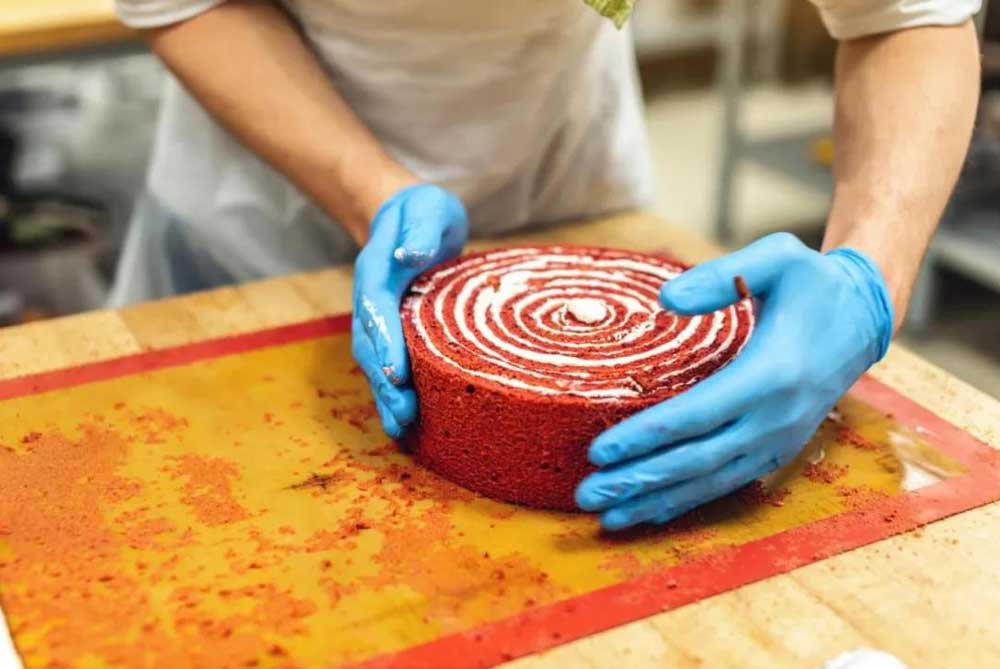
 Food Handling
FDA & EU food-contact compliant nitrile and vinyl gloves ensuring contamination-free processing, catering, and culinary operations.
Learn More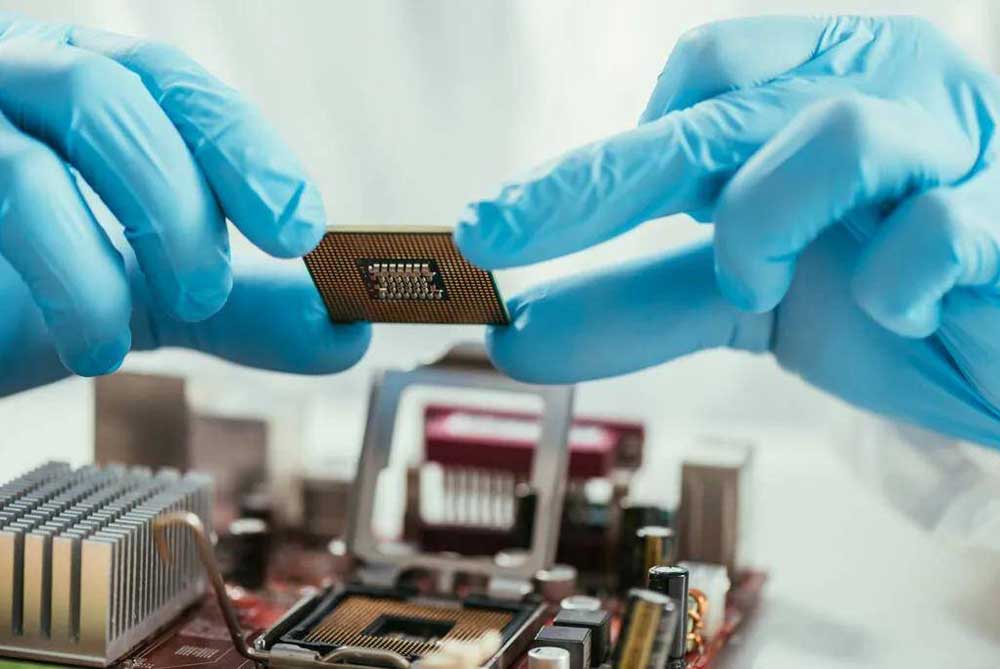
 Electronics Industry
Static dissipative, low-particulate, and chemical-resistant gloves designed for high-density semiconductor assembly and SMT lines.
Learn More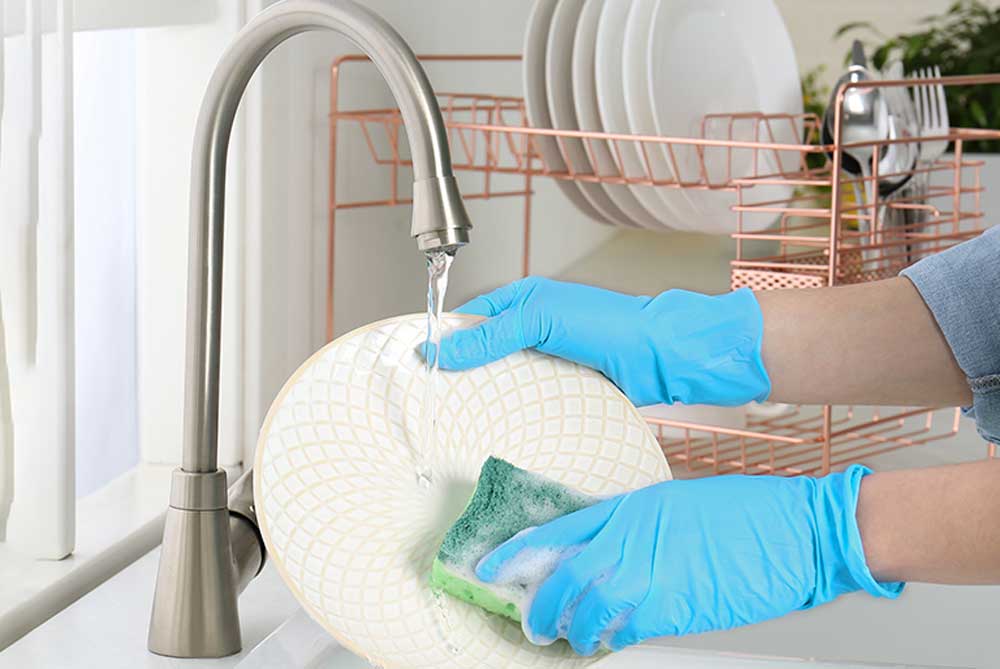
 Household Care
In home life, hygiene and convenience are equally important when cleaning the kitchen, handling ingredients, or caring for children or pets. Gloves for daily scenarios serve as the first line of defense for family health.
Learn MoreStay informed with current glove technologies, cleanroom best practices, and protective standards.
Medical staff wear nitrile gloves during surgery to prevent bacterial cross-infection. Discover sterile donning protocols that protect clean fields.
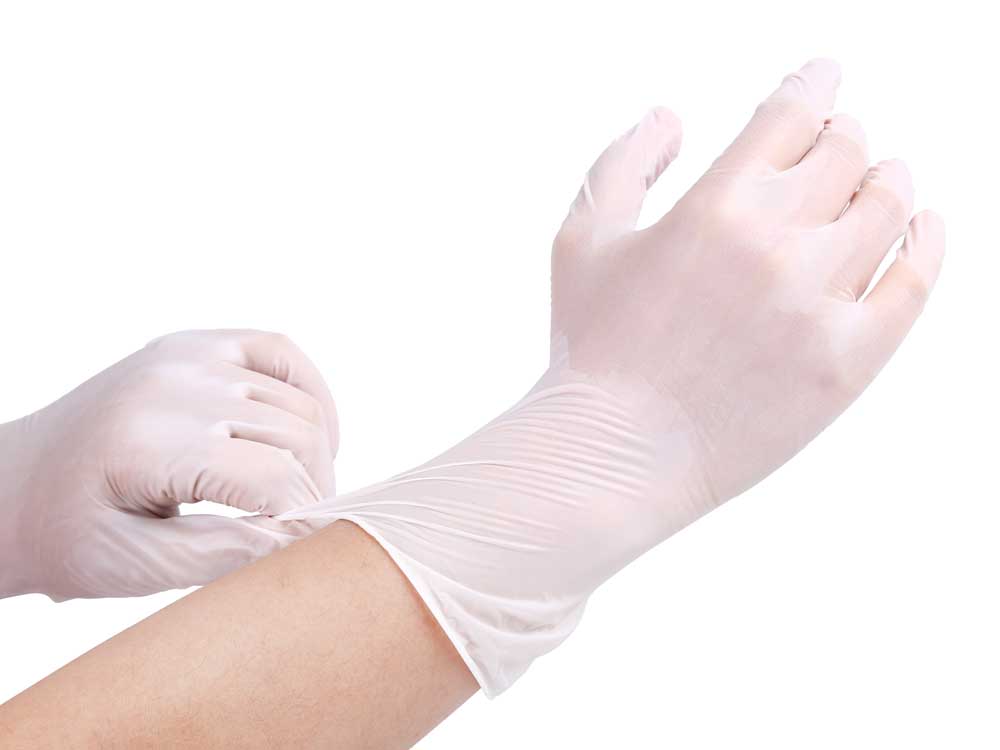
In the field of food processing, hand contact is one of the primary risk points for cross-contamination. High-purity vinyl barriers provide cost-efficient protection.
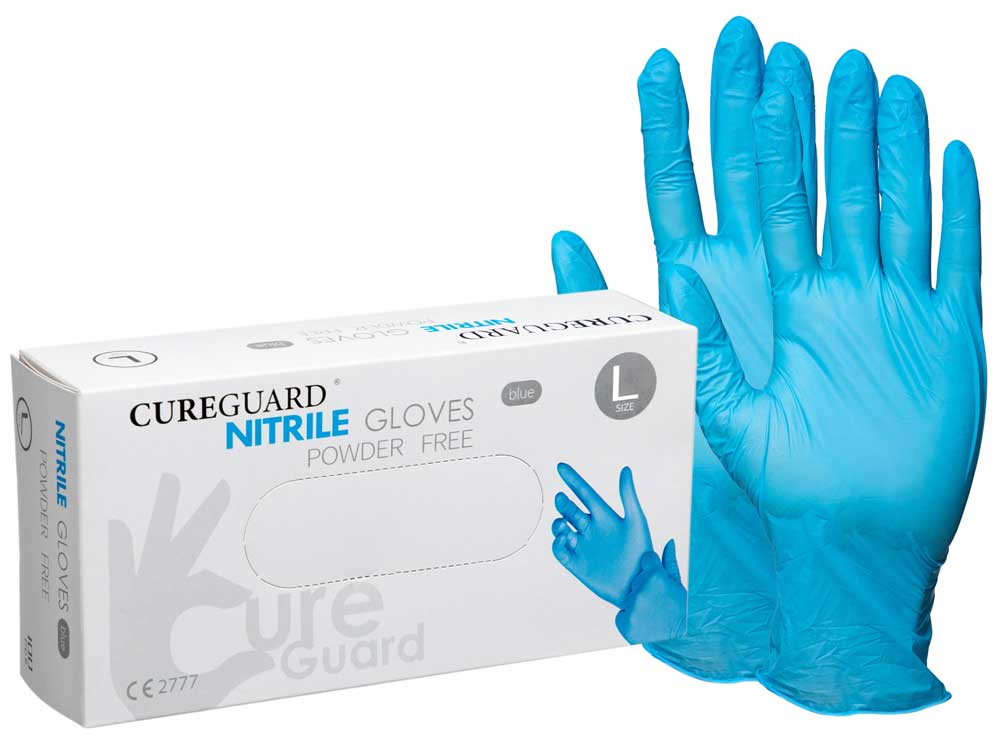
With growing awareness of safety protection, the demand for precision protective equipment is showing rapid expansion across high-tech industries worldwide.
Premium disposable nitrile and vinyl gloves engineered for precision electronics assembly, medical examinations, cleanrooms, and food handling.