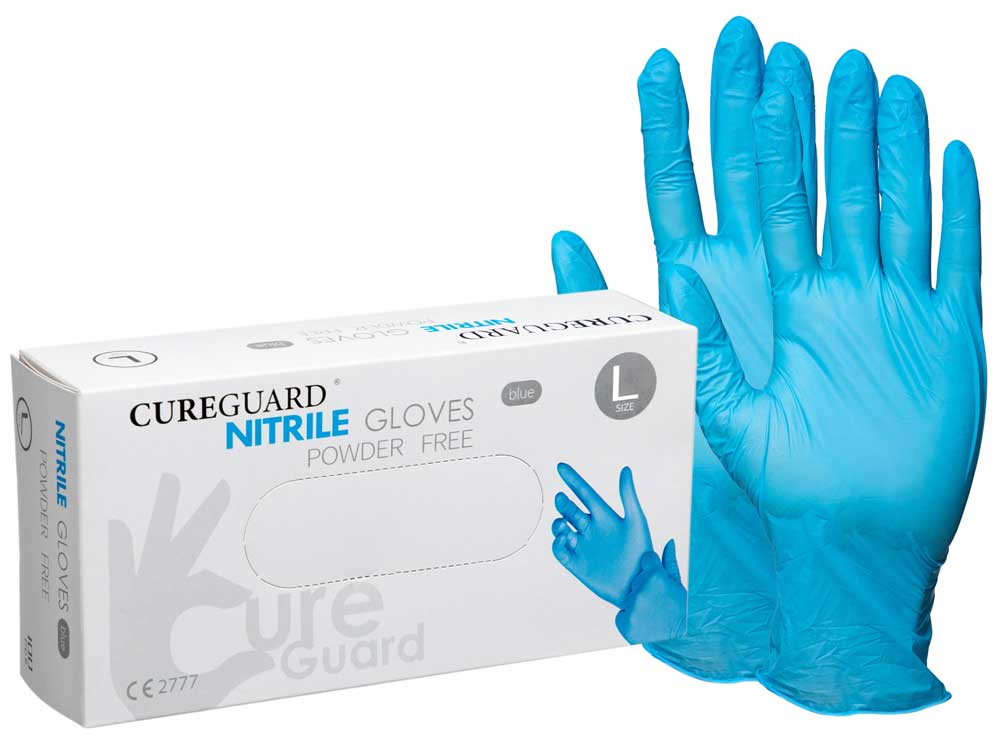



The Critical Role of Nitrile Exam Gloves in Clinical Environments
In modern healthcare systems, patient safety and the protection of clinical staff are paramount. Nitrile exam gloves for medical and clinical examinations have emerged as the gold standard for personal protective equipment (PPE). Synthetic nitrile rubber—formulated from acrylonitrile and butadiene monomers—offers physical and chemical advantages that traditional natural rubber latex (NRL) or vinyl cannot match. The shift toward nitrile is driven by its high barrier resistance against bloodborne pathogens, outstanding puncture strength, and its complete lack of latex proteins, which eliminates Type I allergic reactions.
Clinical examinations expose healthcare professionals to a broad spectrum of biological risks, including infectious bodily fluids, viruses, bacteria, and aggressive chemical reagents. A dependable barrier is the first line of defense. Nitrile examination gloves are meticulously engineered to balance protection with ergonomics. They conform closely to the shape of the hand as they warm up, matching the flexibility of latex while offering three to five times the puncture resistance. This makes them indispensable during high-stress diagnostic procedures, emergency room operations, and general patient care.
Chemical Synthesis and Superior Barrier Performance
The secret to the performance of nitrile exam gloves lies in their cross-linked polymer structure. Acrylonitrile provides chemical resistance to oils, acids, solvents, and cytostatic chemotherapy drugs, while butadiene contributes to the elastomer's elasticity, tensile strength, and soft feel. The addition of carboxylic acid groups during polymerization increases the glove's resistance to mechanical wear and tear. Together, these properties ensure that the glove remains intact throughout complex clinical procedures, protecting both the wearer and the patient from cross-contamination.
Key Technical Specifications of Medical Grade Nitrile
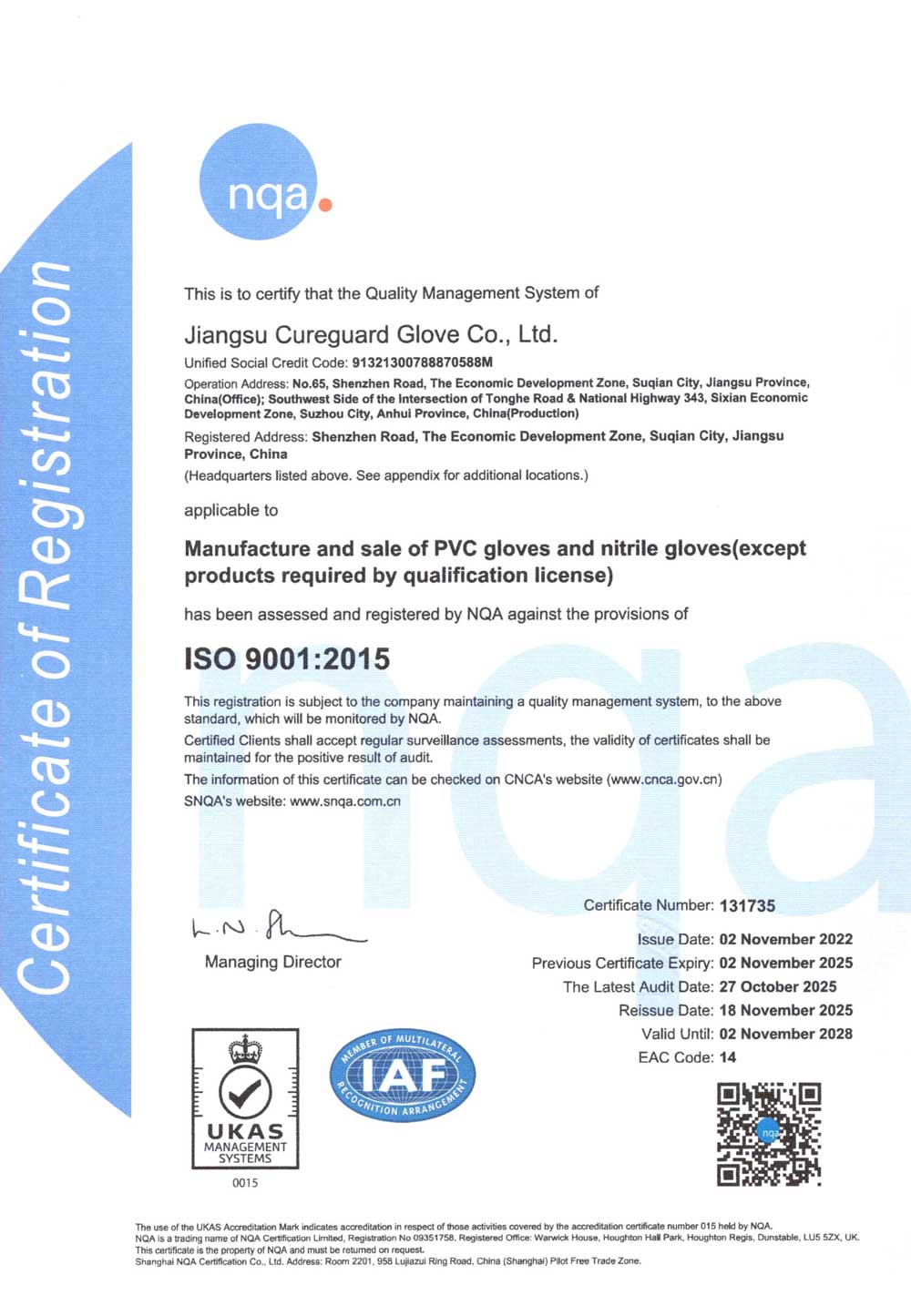
To qualify as medical-grade examination gloves, products must adhere to stringent global standards. These include ASTM D6319 in the United States and EN 455 in Europe. These standards dictate minimum physical properties, such as tensile strength (before and after accelerated aging) and freedom from holes (Acceptable Quality Level or AQL of 1.5 or lower). Only gloves that pass these rigorous tests are approved for diagnostic and patient care settings.




 Medical

 Food Handling
 Industrial

 Household