
Leave Your Message
-
Contact Phone
-
 Contact Email
Explore our top-tier protective glove selections engineered specifically to counter cross-contamination, fat permeation, and tactile fatigue in culinary and inspection workflows.
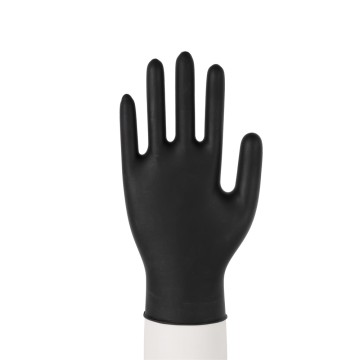
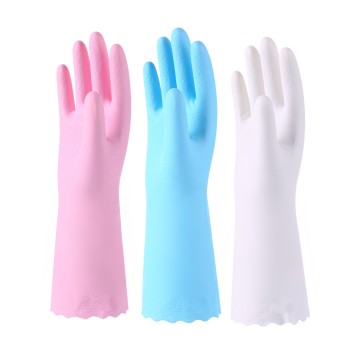
A granular examination of modern food sanitation directives, material sciences, and why examination-grade nitrile has superseded traditional vinyl and natural latex across global commercial kitchens.
In commercial gastronomy and industrial food manufacture, hand hygiene is no longer merely a cosmetic standard—it is a critical control point within Hazard Analysis Critical Control Point (HACCP) matrices. The contemporary food supply chain faces stringent microbial risks, ranging from Salmonella enterica and Listeria monocytogenes to Norovirus outbreaks.
Historically, low-cost polyethylene (CPE/TPE) or standard vinyl gloves dominated culinary establishments. However, their structural porosity and susceptibility to lipid-induced degradation regularly caused micro-tears, permitting pathogenic migration. Nitrile exam gloves, manufactured under rigorous pinhole testing (Acceptable Quality Level - AQL ≤ 1.5), bridge this safety divide by delivering non-porous, medical-level bio-barrier integrity directly to high-risk raw meat, dairy, and Ready-To-Eat (RTE) handling lines.
Culinary processes expose disposable gloves to aggressive chemical environments: hot animal fats, vegetable oils, citrus acids, vinegar emulsions, and sanitizing surfactants. Conventional natural latex contains proteins that induce Type I allergic reactions, while vinyl polymers utilize phthalate plasticizers that can leach into hydrophobic, fatty foodstuffs.
Synthesized Acrylonitrile Butadiene (NBR) provides a dense molecular lattice impervious to lipid degradation. It offers exceptional puncture resistance against bone fragments, sharp fish fins, and prep blades, maintaining structural elasticity even when handling acidic marinades or operating in temperature extremes between -20°C (freezer storage packing) and +80°C (hot line plating).
| Evaluation Parameters | Medical-Grade Nitrile (NBR) | Commercial Vinyl (PVC) | Natural Rubber Latex (NR) | Cast Polyethylene (CPE/TPE) |
|---|---|---|---|---|
| Lipid / Animal Fat Resistance | Exceptional (No softening or swelling) | Poor (Plasticizer migration risk) | Moderate (Degrades with animal lipids) | Low (Rapid seam rupture) |
| Puncture & Tear Tensile (MPa) | High Tensile (>14 - 18 MPa) | Low Tensile (>9 - 11 MPa) | High Tensile (>18 MPa) | Minimal (<5 MPa) |
| Allergenicity Risk | 100% Latex-Free / Powder-Free | Low (Chemical accelerator risk) | High (Type I Protein Allergy) | Allergen-Free |
| Tactile Precision & Grip | Micro-Textured Fingertips | Smooth / Slip Prone when oily | High Elastic Grip | Loose / Zero Tactile Feed |
| AQL Standard Pinhole Freedom | AQL 1.5 (Medical Exam Standard) | AQL 2.5 - 4.0 (General Utility) | AQL 1.5 - 2.5 | No Strict Pinhole Standard |
From slaughterhouses and centralized processing facilities to Michelin-star kitchen lines and quick-service restaurant chains.
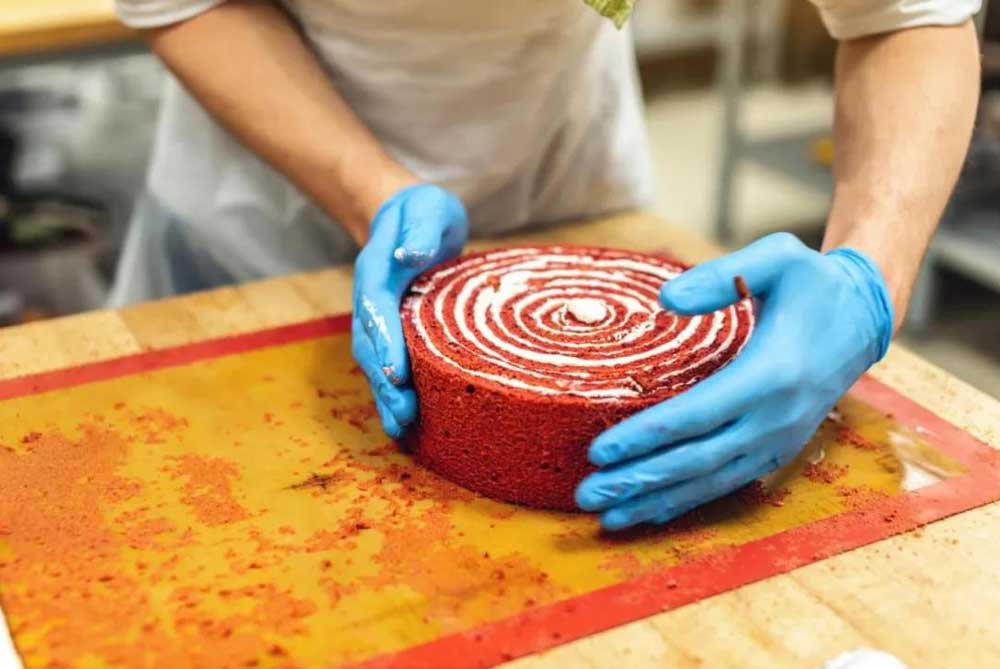
Industrial slaughter and deboning lines demand superior puncture resistance to prevent skin penetration by animal bones while preventing salmonella cross-contamination across workbenches.
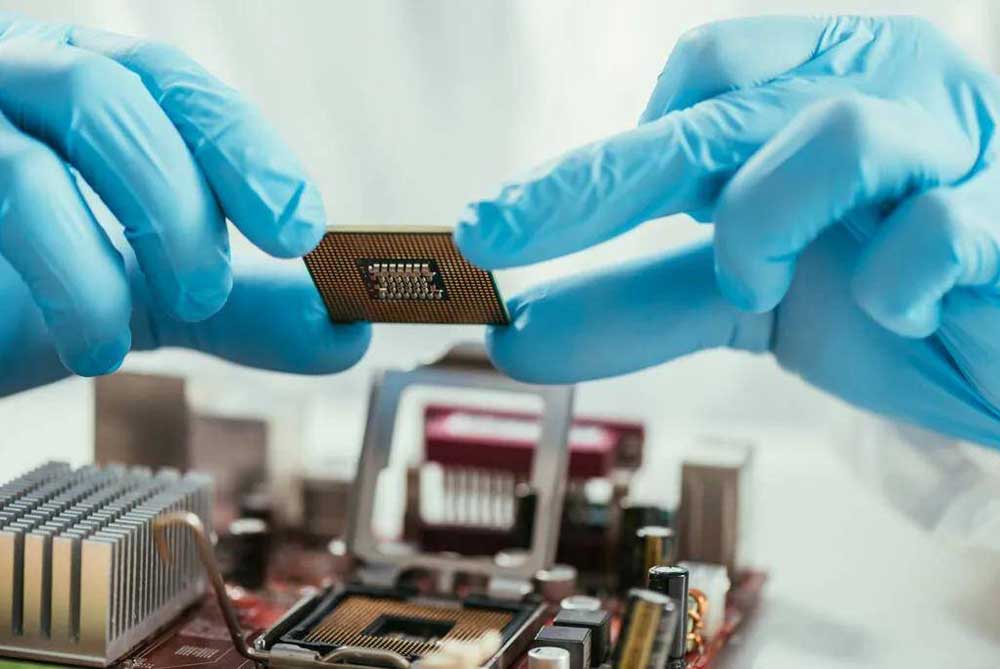
High-speed automated salad lines, sandwich wrapping, and airline meal packaging where powder-free, zero-residue gloves protect cooked food immediately before final sealing.
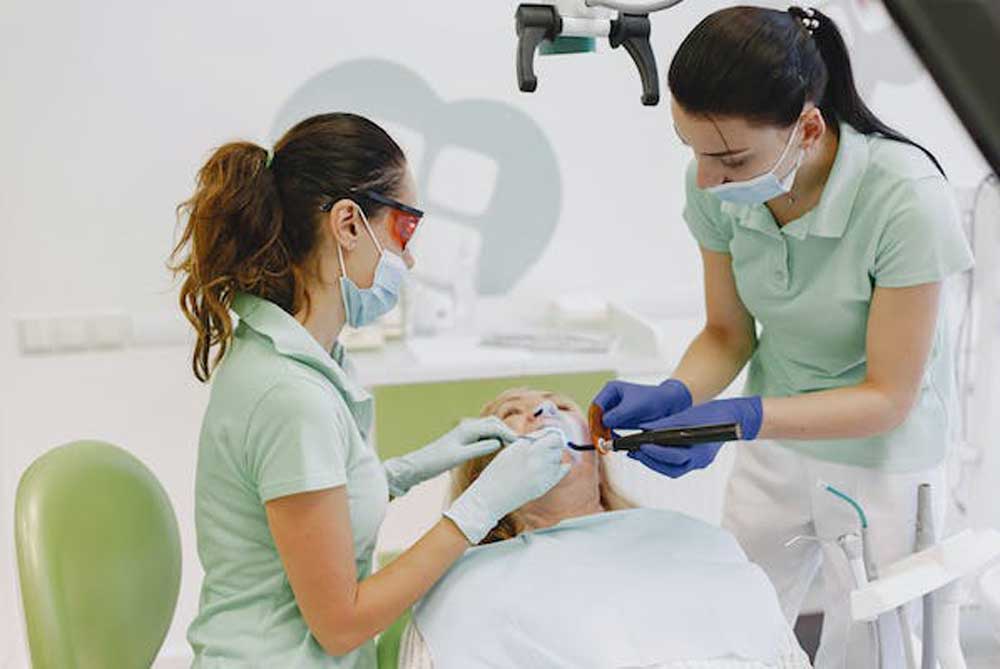
Quality assurance testing for coliform counts, moisture analysis, and chemical additive titration requiring medical-grade barrier integrity and chemical splash shielding.
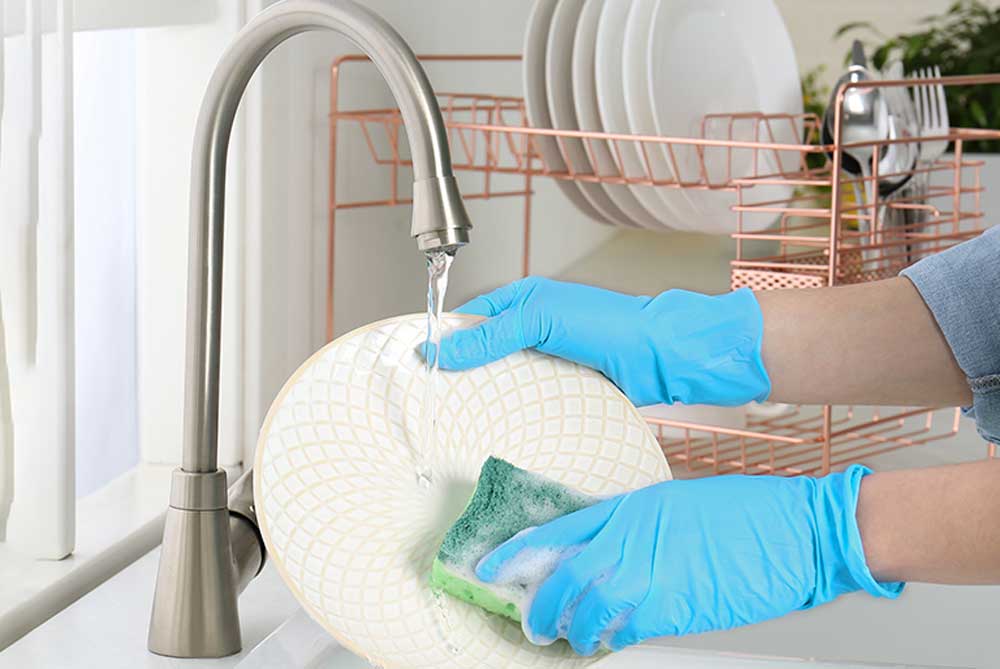
End-of-shift degreasing of fryers, ovens, and sanitation of food contact surfaces requiring durable protection against caustic detergents and quaternary ammonium sanitizers.
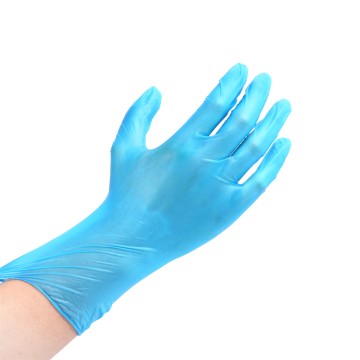
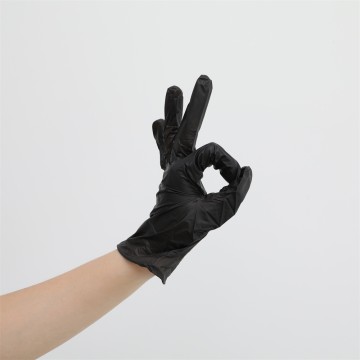
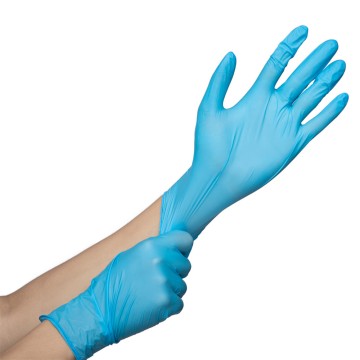
In high-throughput food manufacturing, physical contaminant mitigation is paramount. Our food-grade nitrile gloves are engineered in distinct, high-contrast pigmentation—predominantly High-Visibility Blue and Jet Black.
Blue is an unnatural color in almost all biological food matrices (poultry, beef, dough, produce). If an accidental slice or tear occurs during high-speed mechanical cutting, fragments are instantly detectable by optical sorting cameras and manual line inspectors, averting catastrophic retail recalls.
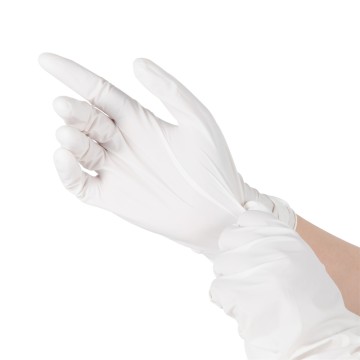
Furthermore, color-coding protocols enable institutional kitchens to compartmentalize tasks: Blue gloves for raw meats and seafood, White for bakery and dairy, and Black for front-of-house carving and hot barbecue service, structurally eliminating cross-contact vectors.
A primary obstacle in demanding commercial service shifts (8 to 12 hours) is hand fatigue caused by glove resistance. Unlike rigid vinyl polymers, medical-grade nitrile compounds incorporate thermo-reactive elastomers.
As the glove absorbs body heat from the culinary worker's palm, the polymer chains conform precisely to the anatomical contours of the fingers. This lowers hand strain by over 34%, eliminates pressure points around the thumb webbing, and provides ultra-sensitive tactile feedback essential for delicate pastry decoration, knife dexterity, and intricate sushi assembly.
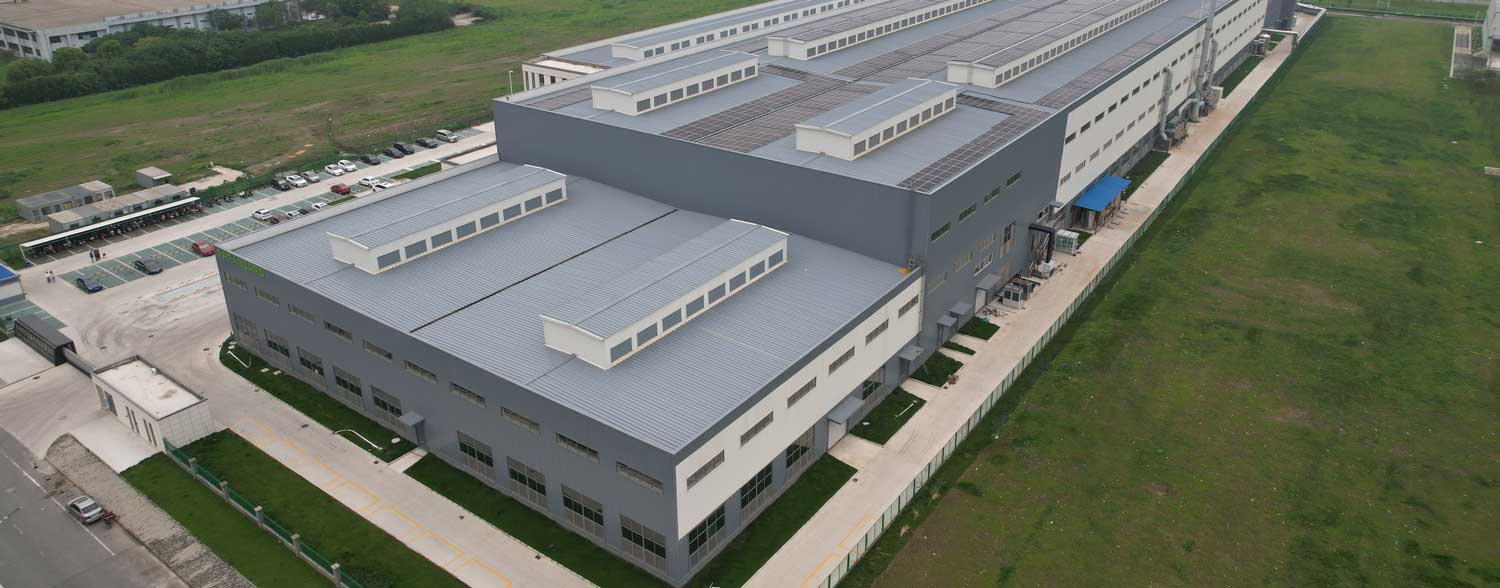
Established in 2006 and headquartered in Jiangsu Province, China, Cureguard Glove Group has specialized in high-performance protective glove manufacturing for over two decades.
We operate over 60 advanced, automated continuous dipping production lines dedicated to disposable nitrile, disposable vinyl, and heavy-duty reusable vinyl gloves with an annual group output exceeding 10 billion pieces. Cureguard delivers compliance-certified PPE solutions to food conglomerates, hotel chains, and clinical distributors across more than 100 countries and regions worldwide.
Our state-of-the-art production lines incorporate automated AI visual defect inspection, temperature-regulated vulcanization zones, and multiple online chlorine leaching tanks to ensure minimal chemical residue, odorless finishing, and uncompromising pinhole integrity.
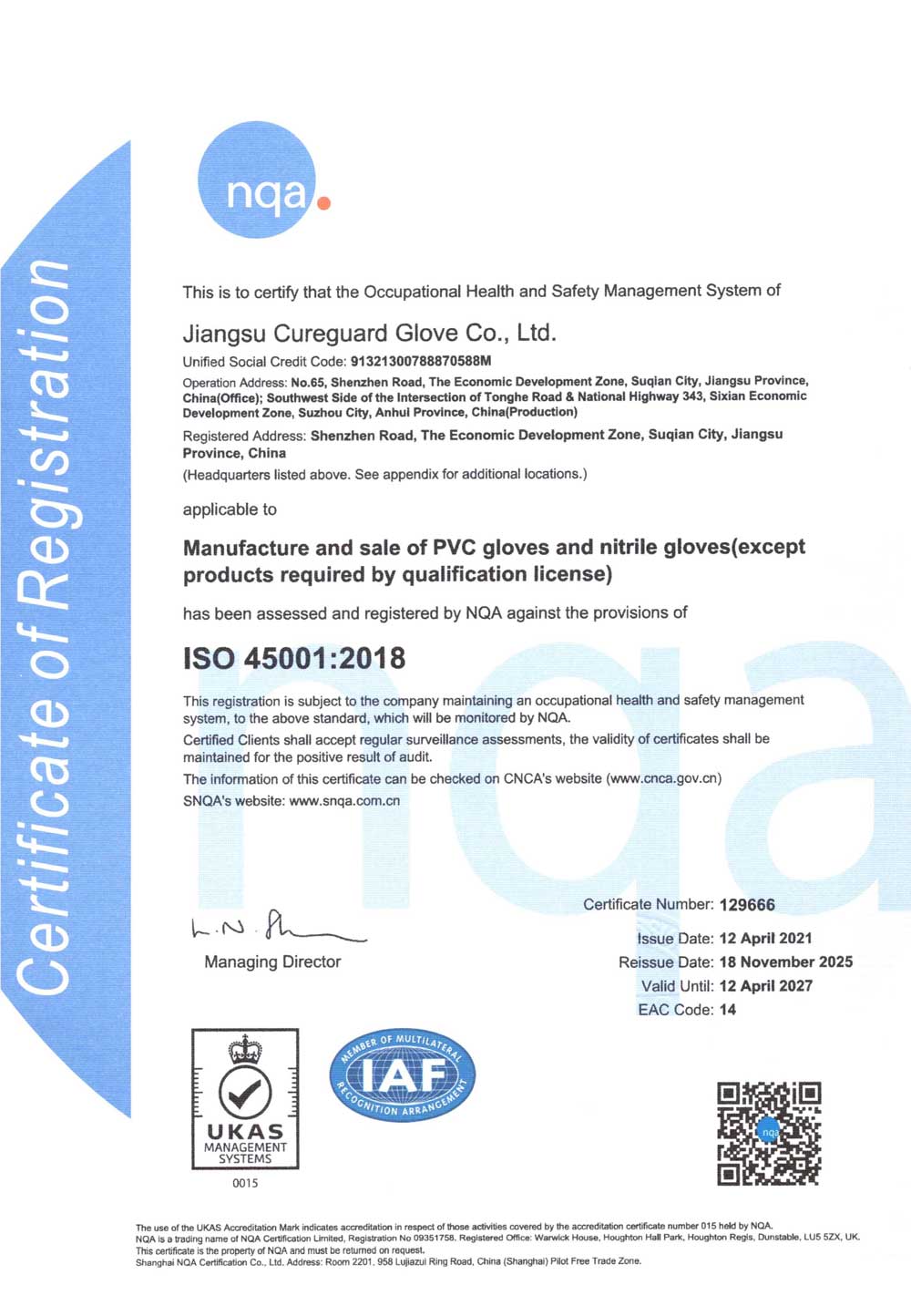
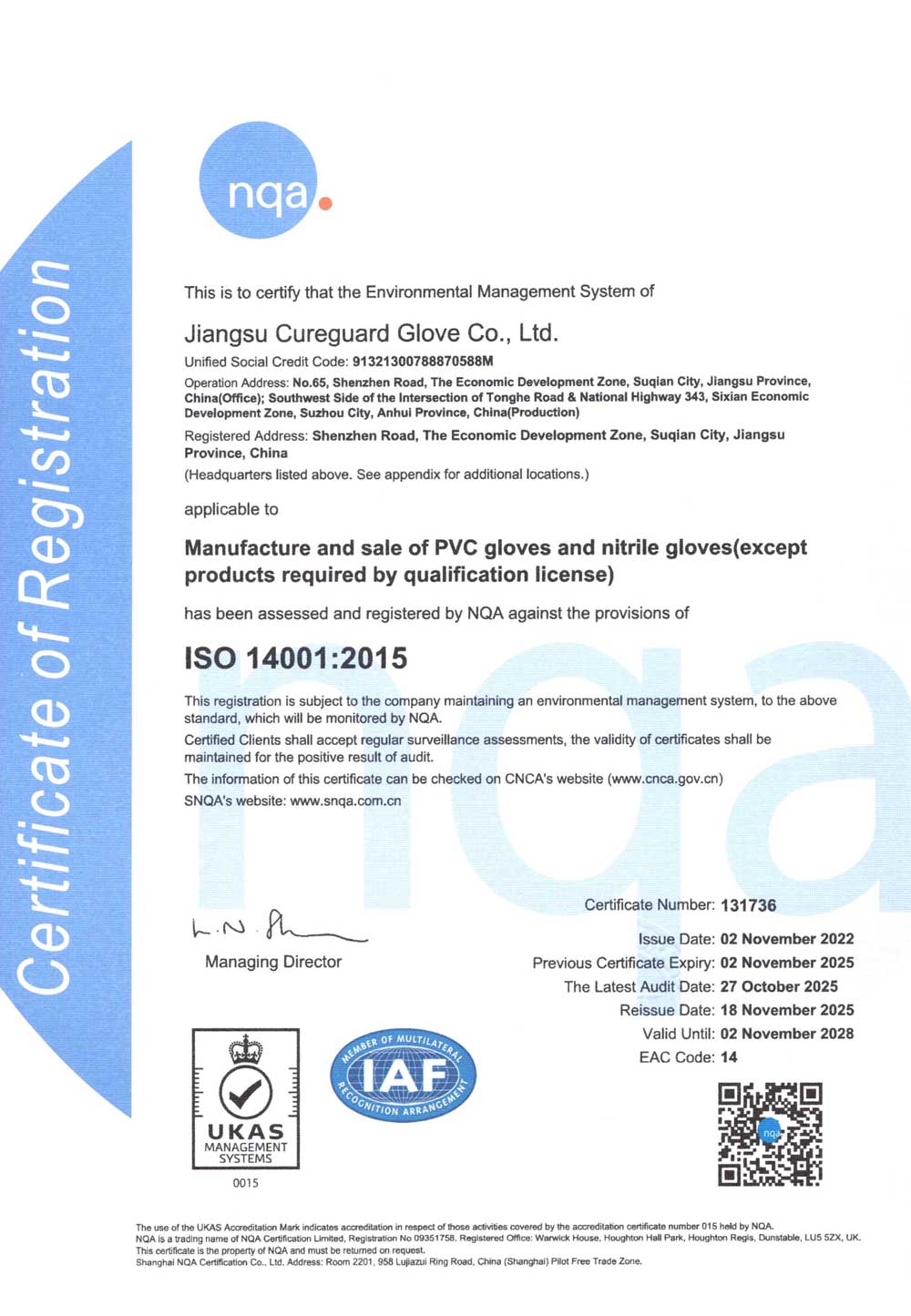
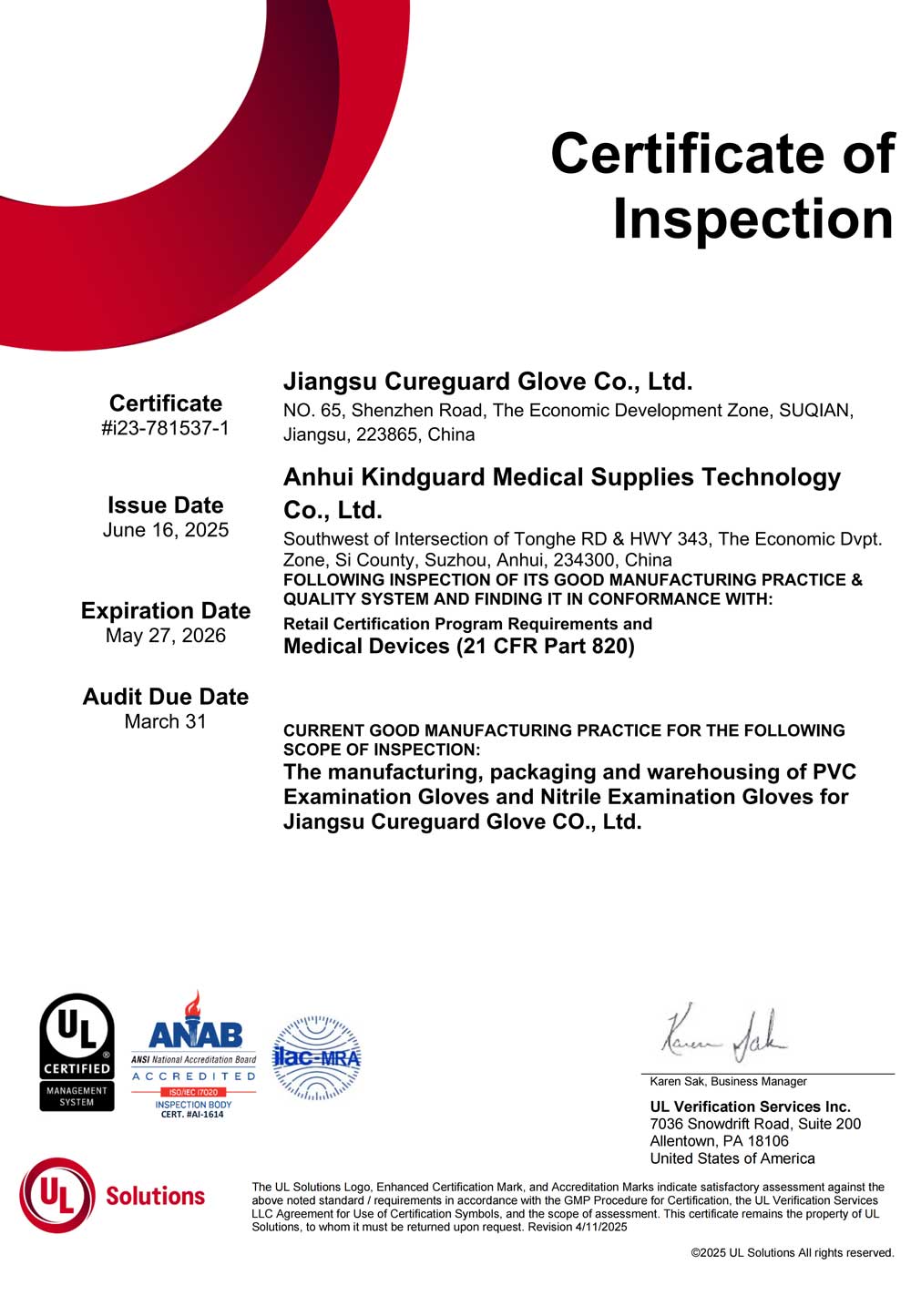
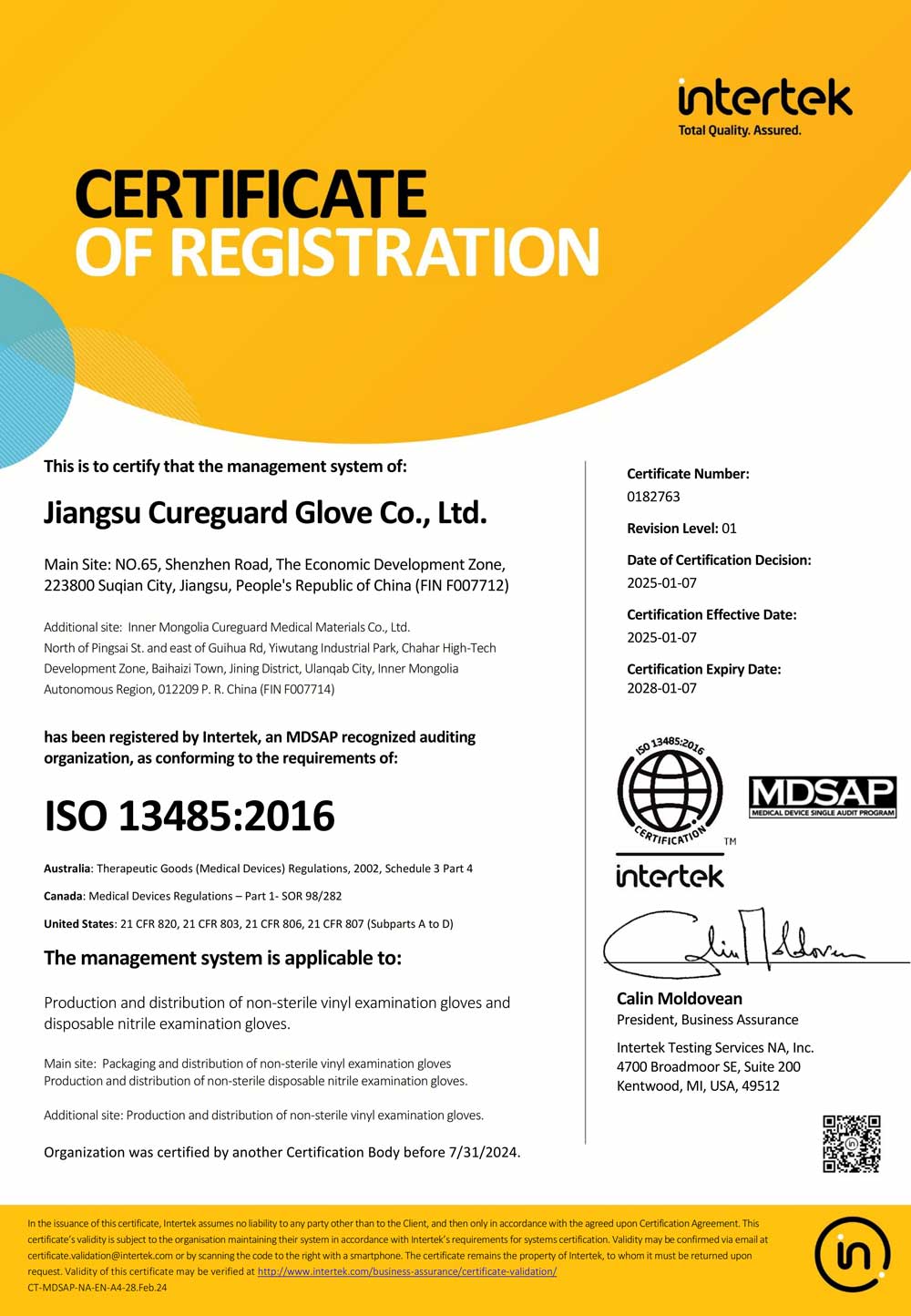
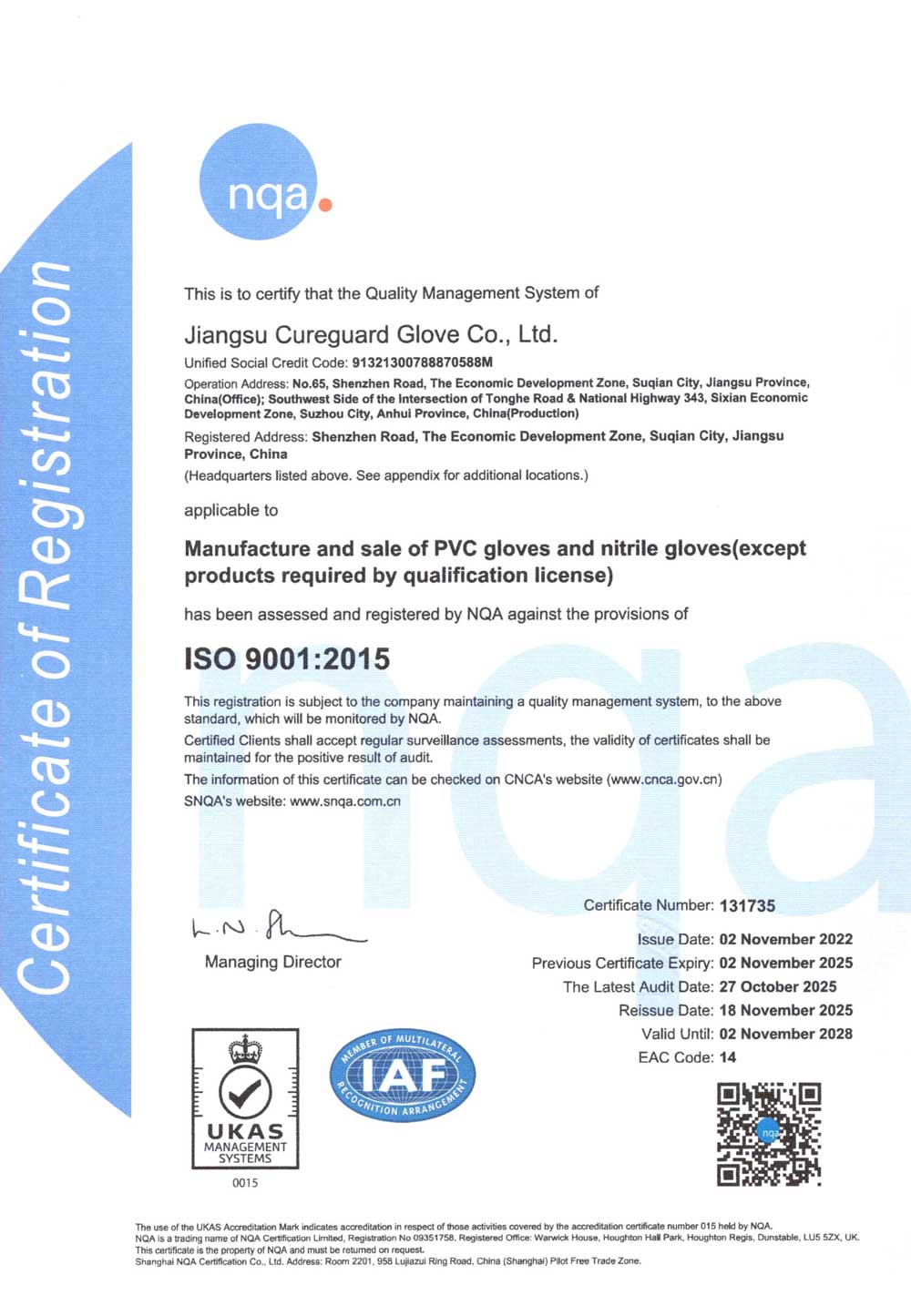
Discover Our Manufacturing FacilitiesOur nitrile examination gloves satisfy the stringent regulatory criteria of international food contact laws, including FDA 21 CFR 177.2600, EU Framework Regulation (EC) No 1935/2004, ISO 9001, ISO 13485, and GMP protocols.
Stay informed with the latest insights on PPE donning protocols, food line cross-contamination prevention, and polymer innovation.
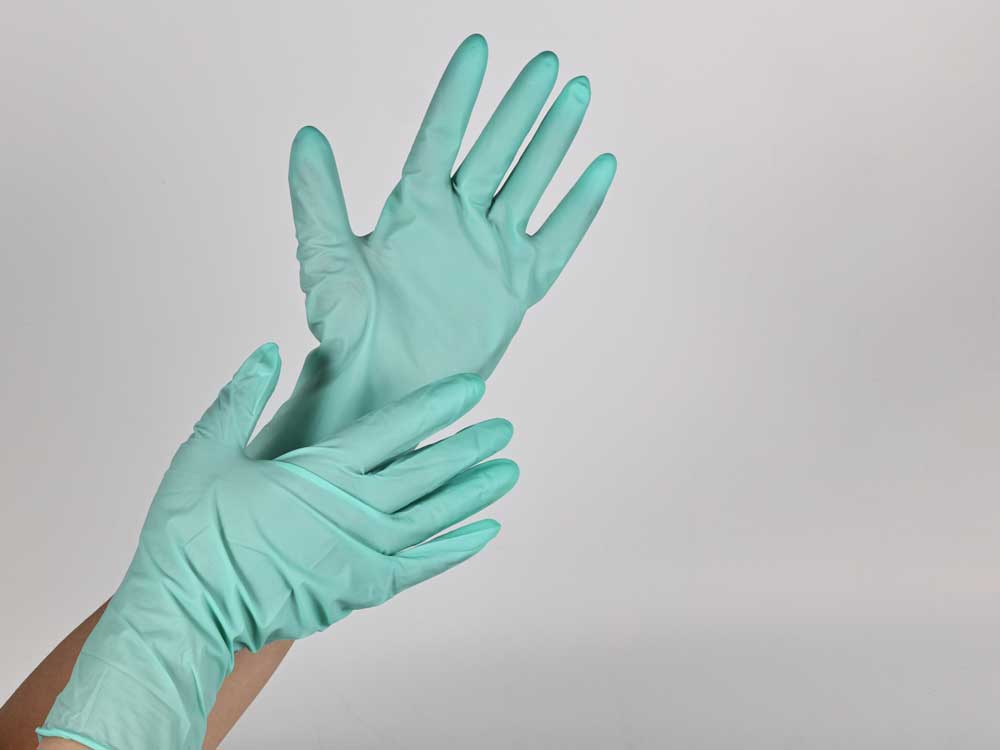
Comprehensive protocols for food handlers and medical staff on touch-free glove replacement cycles to eliminate surface cross-contamination in critical zones.
Read Article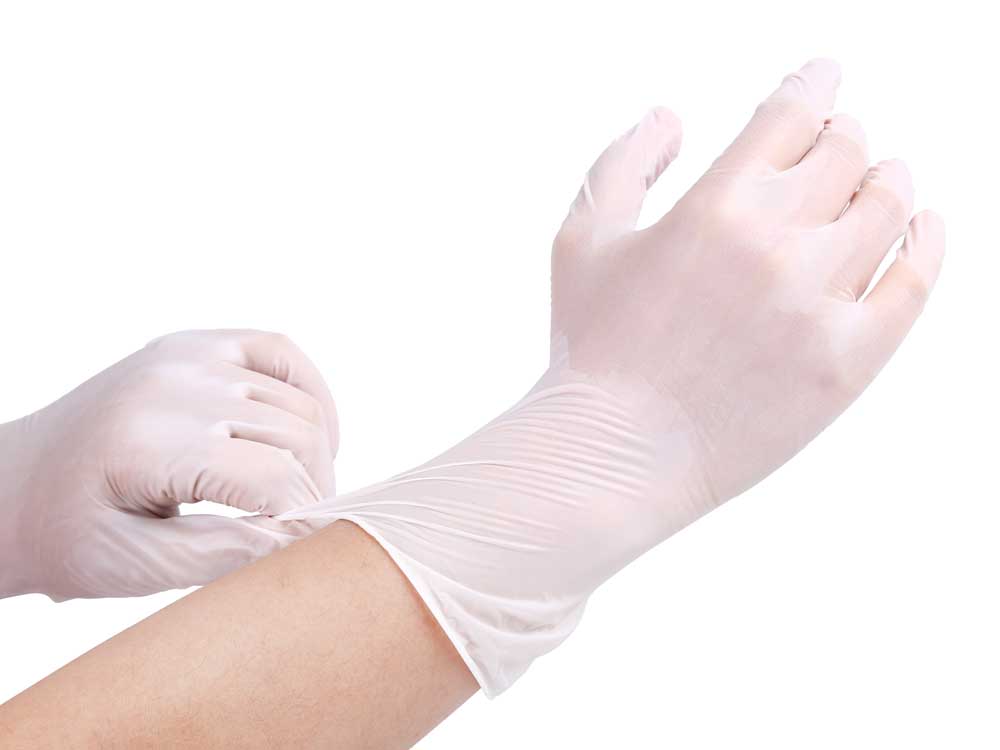
An analytical study evaluating the economic and barrier strengths of vinyl gloves in cold food assembly and short-duration service operations.
Read Article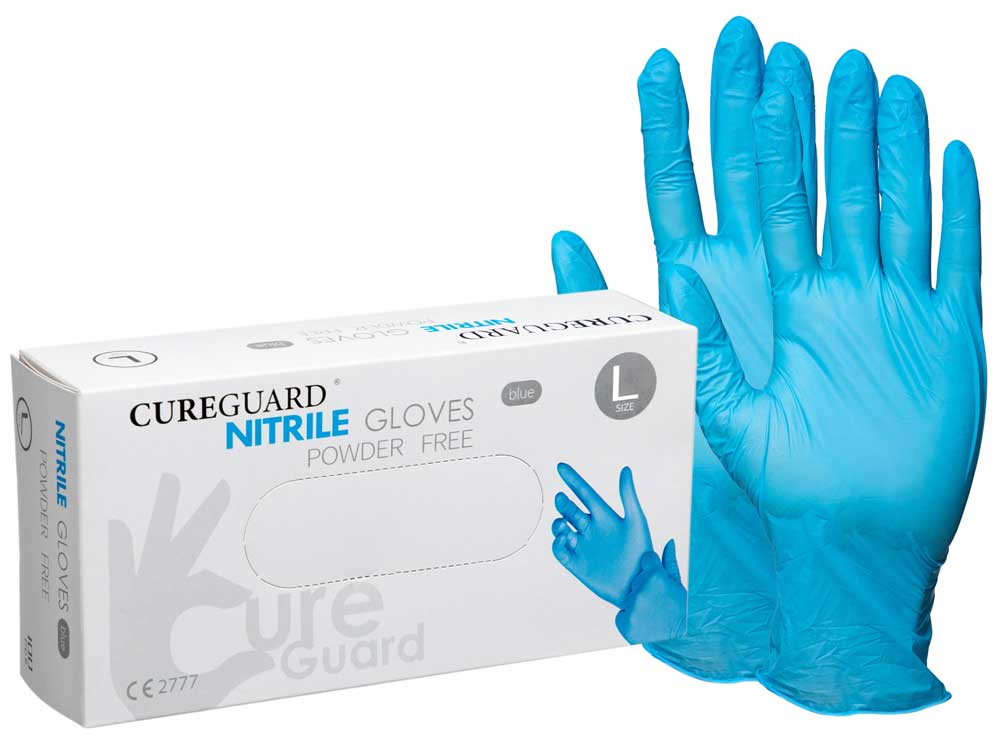
How the expanding regulatory scope is accelerating the transition toward high-density nitrile barriers across commercial kitchens, labs, and cleanrooms.
Read ArticleKey technical specifications, regulatory inquiries, and procurement considerations for food processing plants and restaurant groups.
Vinyl (PVC) requires chemical plasticizers (such as phthalates or DINP) to achieve flexibility. When exposed to animal fats, butter, or cooking oils, these plasticizers can dissolve and leach into the food product. Nitrile is an inherently flexible synthetic copolymer containing zero plasticizers, making it 100% stable in contact with oils and high-fat foods.
AQL stands for Acceptable Quality Level. An AQL of 1.5 is the international medical examination threshold, meaning less than 1.5% of units from a manufacturing batch can exhibit pinhole defects under water pressure testing. General food-grade gloves often allow AQL 2.5 or 4.0. Opting for AQL 1.5 exam-grade nitrile ensures virtually impermeable barrier defense against micro-pathogens.
Yes. All our food-grade and examination nitrile gloves undergo extensive offline polymer coating and multi-stage warm water leaching lines. This process strips residual chemical accelerators and eliminates cornstarch powder, preventing food contamination, starch-based flavor alterations, and skin dermatitis.
Nitrile gloves can withstand continuous temperatures up to 80°C (176°F) and intermittent dry heat up to 100°C (212°F) without melting, making them ideal for handling freshly smoked meats, hot line plating, and warm broth preparation. For boiling liquids or open grill contact, heavy-duty insulated gloves are recommended.
Select from our comprehensive range of disposable nitrile, medical examination vinyl, and industrial protective gloves manufactured under strict ISO and GMP standards.