
Leave Your Message
-
Contact Phone
-
 Contact Email
Explore our specialized protective solutions engineered to maintain strict aseptic conditions during intricate body art procedures.
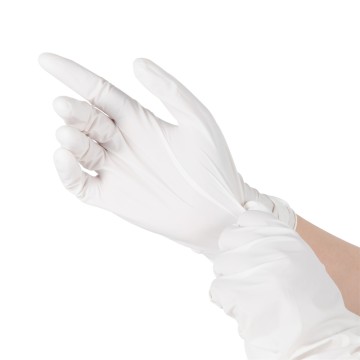 Disposable Nitrile Glove For Electronics Industrial Use
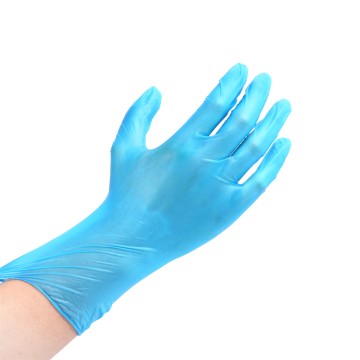
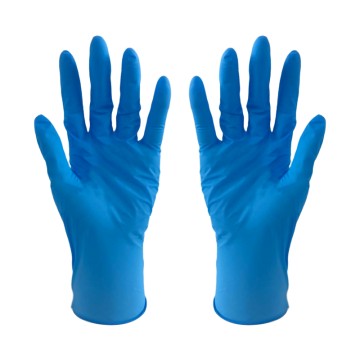 Disposable Nitrile Glove For Medical Examination
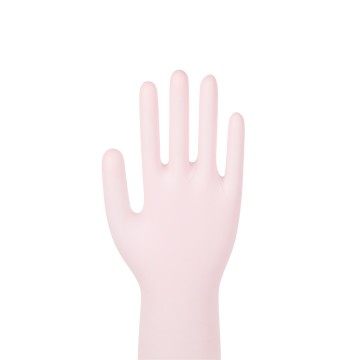 Long Cuff Disposable Nitrile Glove For General Use
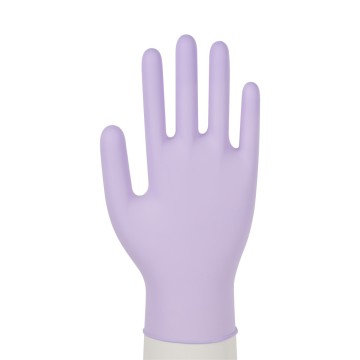 Disposable Nitrile Glove For Household Use
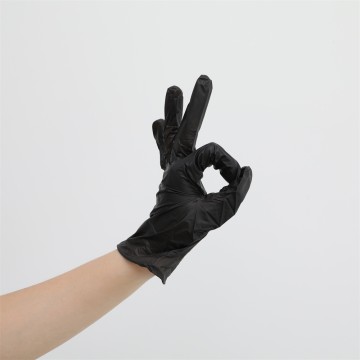
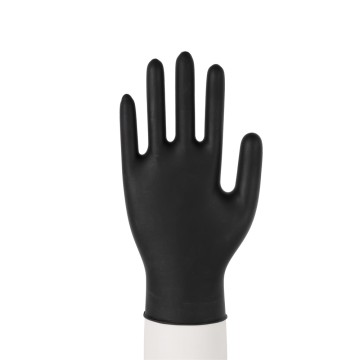 Disposable Nitrile Glove For Food Handling Use
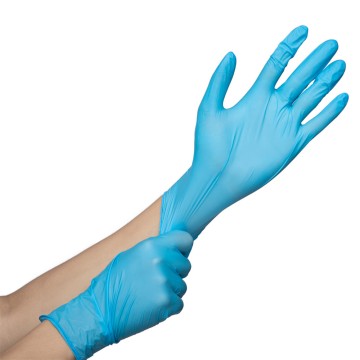
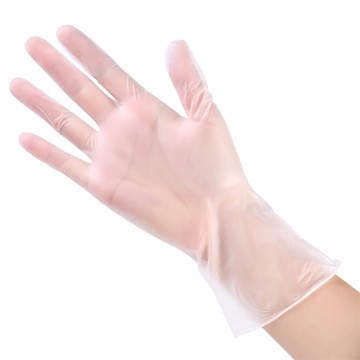
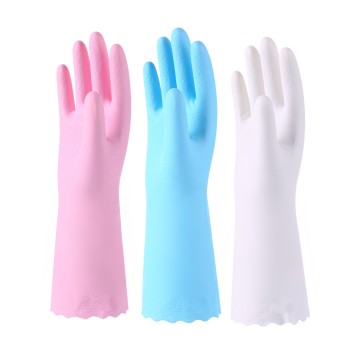
The professional tattoo and piercing industry has undergone a radical transformation over the past two decades. What was once considered a subculture has emerged as a mainstream, highly regulated, and sophisticated form of fine art. With this shift, the standards for hygiene, cross-contamination prevention, and safety have risen to medical-grade levels. Today, professional studios operate under strict protocols akin to minor surgical clinics. Among the essential consumables driving this safety revolution, nitrile finger cots have established themselves as an indispensable tool for artists worldwide.
Nitrile finger cots are rolled sheaths made of synthetic nitrile rubber, designed to fit snugly over individual fingertips. While full-hand gloves remain the standard for complete skin barrier protection, finger cots offer targeted protection for specific procedures, minor touch-ups, jewelry adjustments, and machine handling. They provide an optimal balance between safety and anatomical freedom, allowing artists to maintain maximum tactile sensitivity without sacrificing the sterile barrier.
Unlike natural rubber latex, nitrile is 100% synthetic and completely free of latex proteins. This eliminates the risk of Type I allergic reactions for both the artist and the client. In an industry where skin-to-skin contact is continuous and prolonged, using hypoallergenic materials like nitrile is a critical benchmark of professional client care.
The global market for body art supplies is experiencing unprecedented growth. Market research indicates that the tattoo equipment market is expanding at a CAGR of over 6.5% annually. Within this sector, disposable protective wear, including gloves and finger cots, represents the highest volume of recurring purchases.
Several factors drive the commercial demand for specialized nitrile finger cots in tattoo and piercing studios:
Established in 2006 and headquartered in Jiangsu Province, China, Cureguard Glove Group has been specialized in glove and barrier protection manufacturing for over 20 years. We own over 60 advanced production lines dedicated to disposable vinyl, nitrile, and reusable protective gear with an annual output exceeding 10 billion pieces.
We supply high-quality protective solutions to customers in more than 100 countries and regions worldwide, rolling out specialized series to address various scenario needs, including medical examinations, food contact, electronic assembly, and the demanding hygiene requirements of the professional body art industry.
Click to View More



To understand the value of nitrile finger cots, one must examine the micro-movements and workflow of a professional body art session. The application of these protective barriers spans several crucial stages of the tattooing and piercing process.
In micro-realism tattooing and permanent makeup (such as microblading, lip blush, and eyeliner tattooing), precision is measured in fractions of a millimeter. The artist's hand needs to feel the subtle resistance of the skin to gauge needle depth correctly. Nitrile finger cots allow the artist to cover only the fingers directly touching the client’s face or body, providing an ultra-thin barrier that transmits tactile feedback much more effectively than a standard loose-fitting glove.
Tattooing requires the artist to continuously stretch the skin to ensure clean ink deposition and straight lines. The "stretching hand" is constantly in contact with bodily fluids, excess ink, and ointment. Applying heavy-duty nitrile finger cots over the fingers of the stretching hand provides a reinforced barrier right where friction and exposure are highest, without restricting the hand's overall flexibility or causing fatigue during long 8-hour sessions.
Piercers deal with incredibly small components: threaded balls, tiny jump rings, microdermal anchors, and delicate gem ends. Standard gloves can sometimes create a clumsy grip, increasing the risk of dropping expensive titanium jewelry. Nitrile finger cots feature textured fingertips that enhance dry and wet grip. This allows piercers to thread tiny beads onto barbells with absolute precision while maintaining a sterile field.
Nitrile is highly resistant to petroleum jelly, green soap, alcohol-based stencils, and skin prep solutions commonly used in tattoo studios. While latex quickly degrades and tears when exposed to oils and vaseline, nitrile maintains its structural integrity throughout long procedures.
As the industry moves forward, several trends are shaping the development of nitrile finger cots and gloves:
Our manufacturing processes are audited and certified to meet the highest global standards, ensuring safety for both artists and clients.
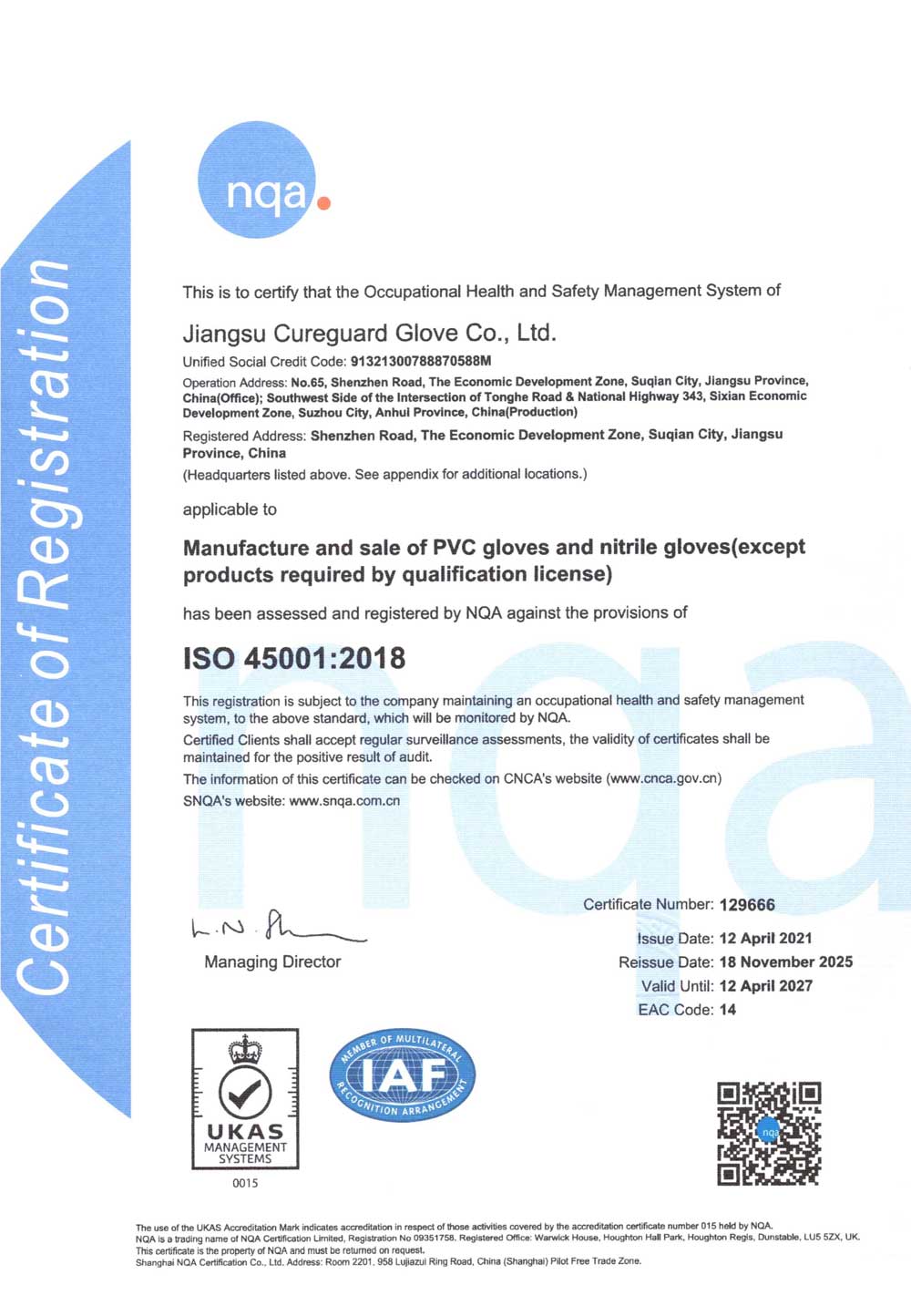
ISO 45001
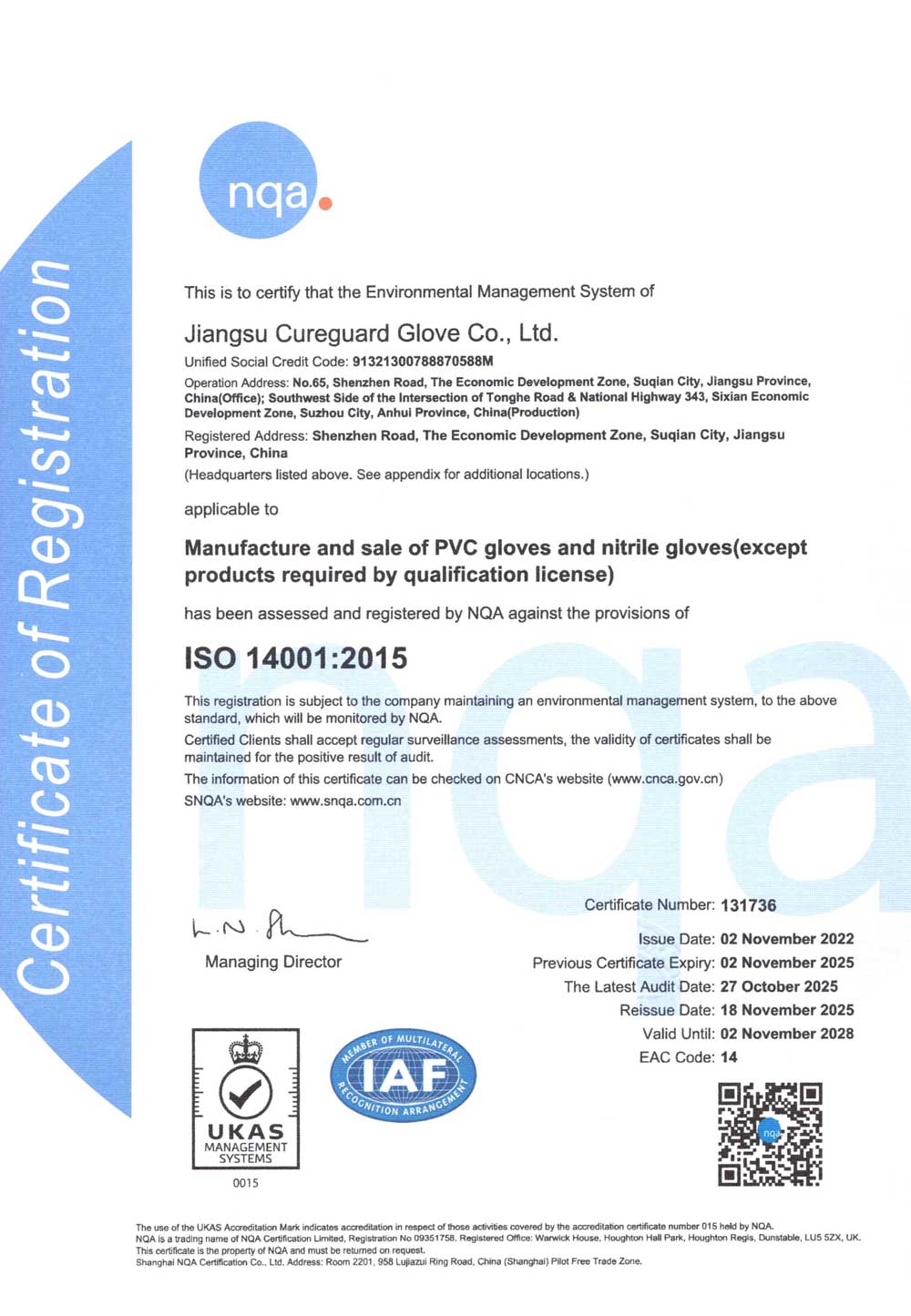
ISO 14001
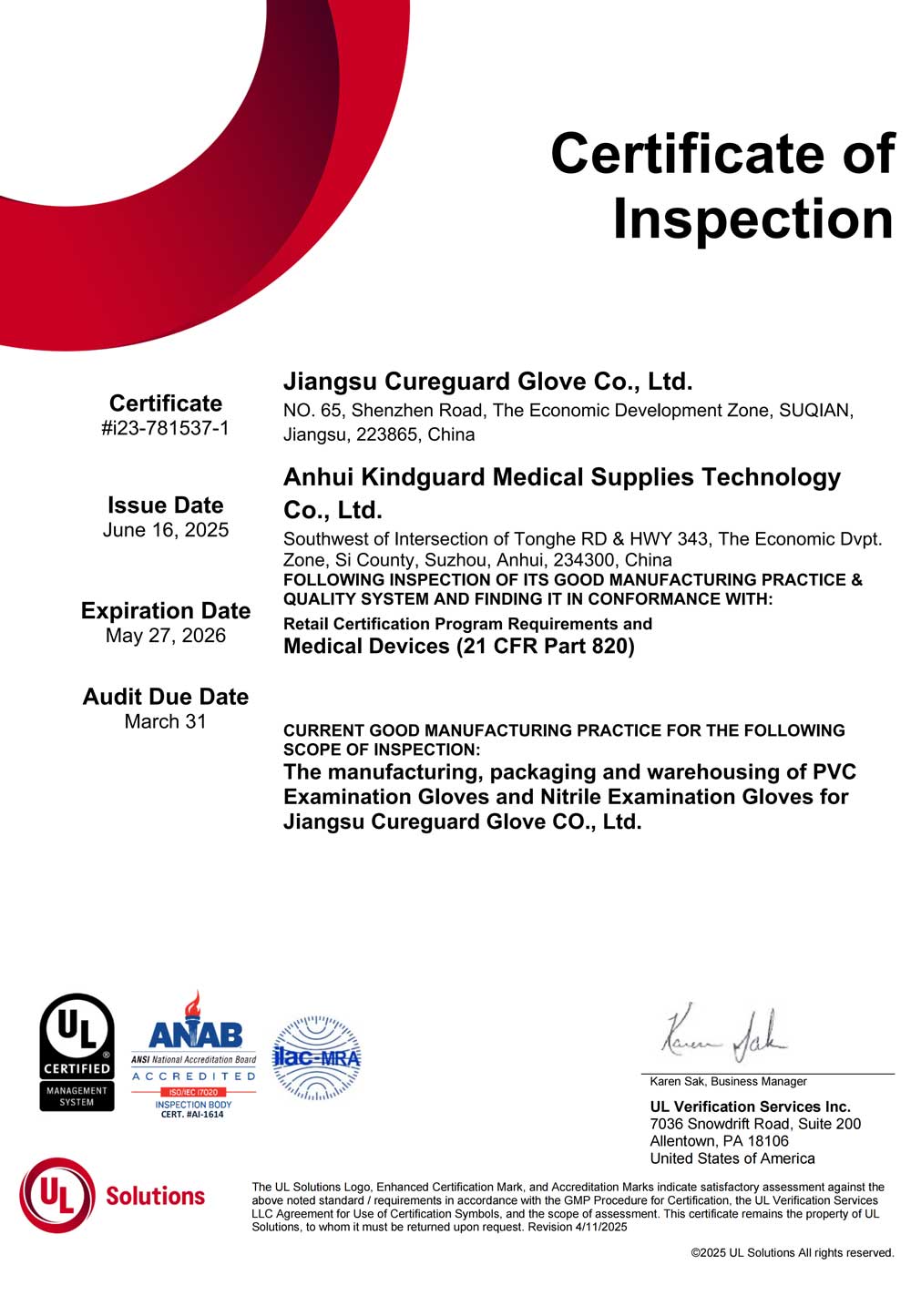
GMP Standard
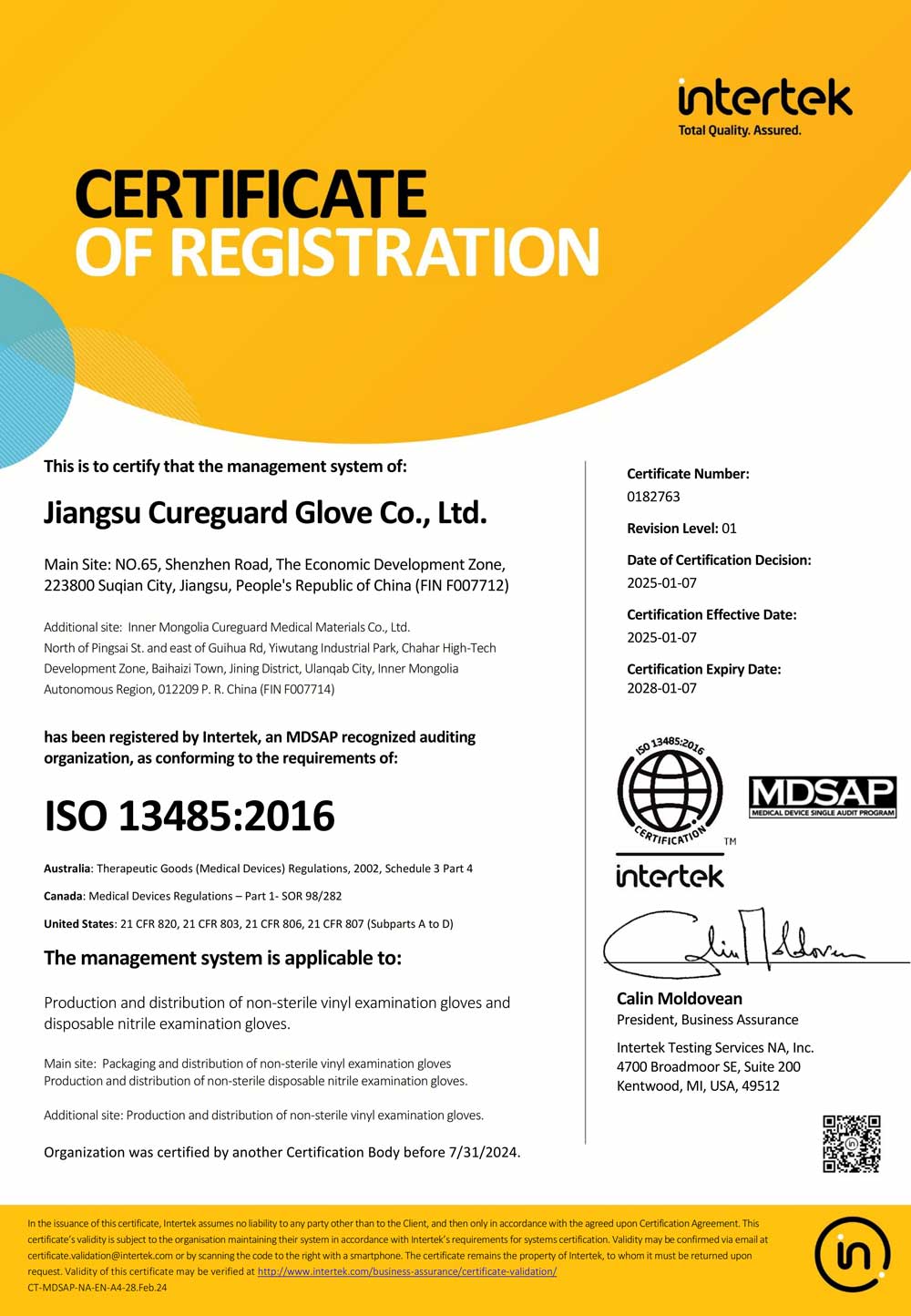
ISO 13485
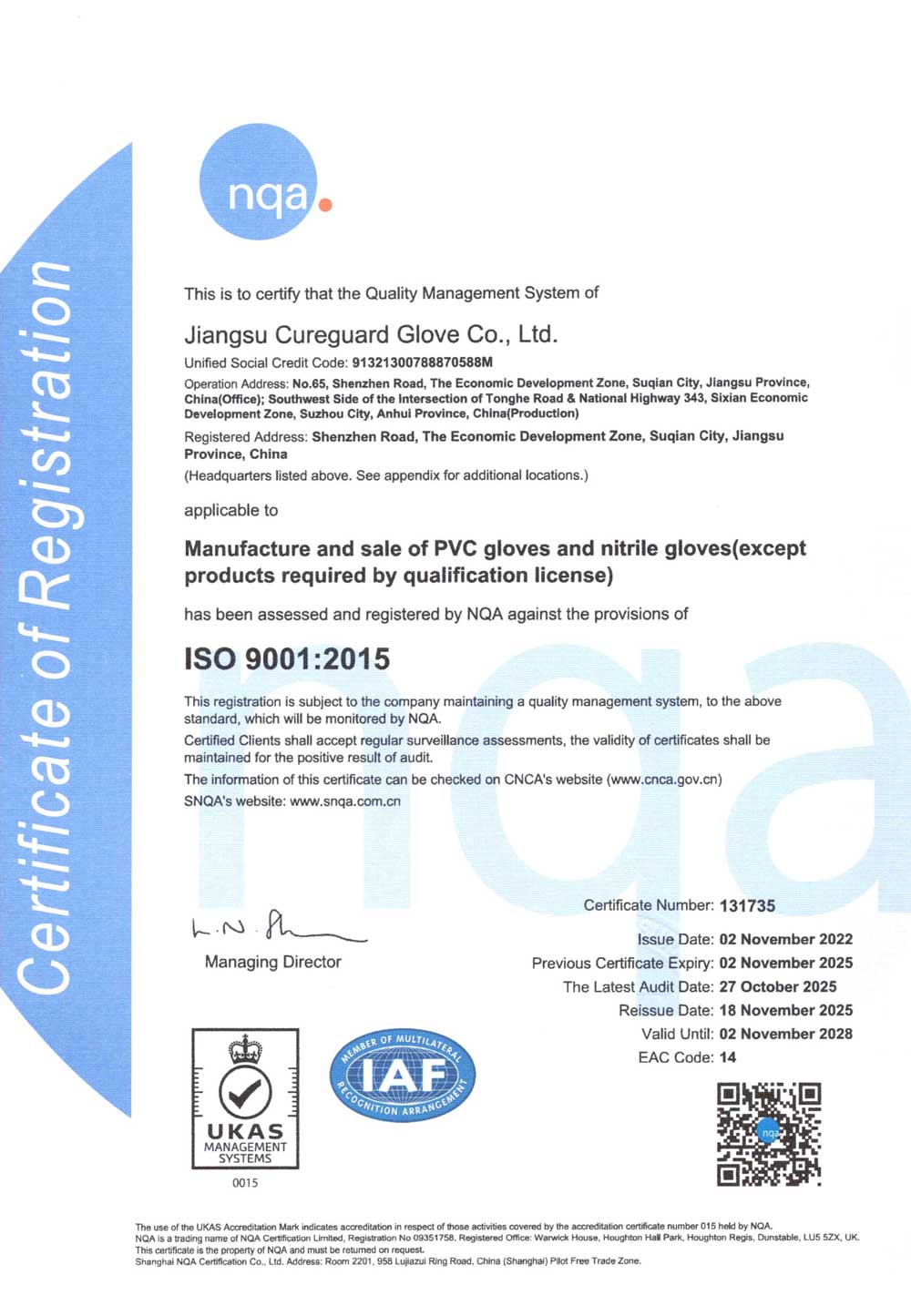
ISO 9001
From cleanroom electronics to professional body art studios, discover how our protective gear adapts to diverse environments.
 Medical & Piercing
 Cosmetic & PMU
 Studio Sanitation
 Studio Hygiene
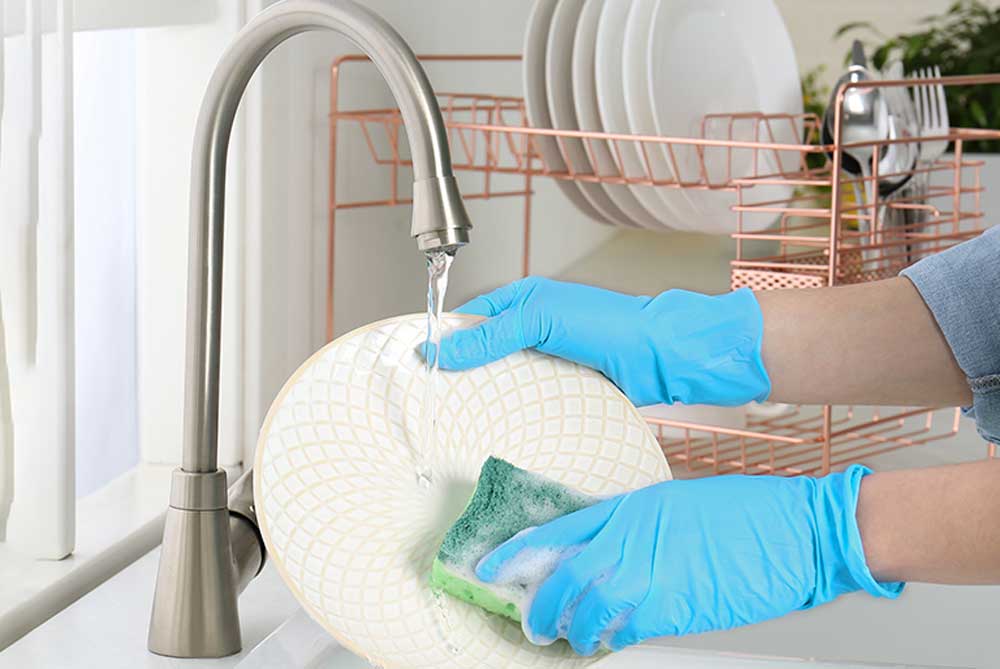
In studio life, hygiene and convenience are equally important when cleaning workstation surfaces, handling pigments, or setting up sterile barriers. Our protective products, designed for high-demand scenarios, are made from safe, durable materials to serve as the first line of defense for both the artist's hands and the client's health. Maintaining a pristine environment is crucial to preventing cross-contamination and ensuring the longevity of the body art.
Learn MoreStay updated with the latest trends, safety protocols, and product innovations in barrier protection.
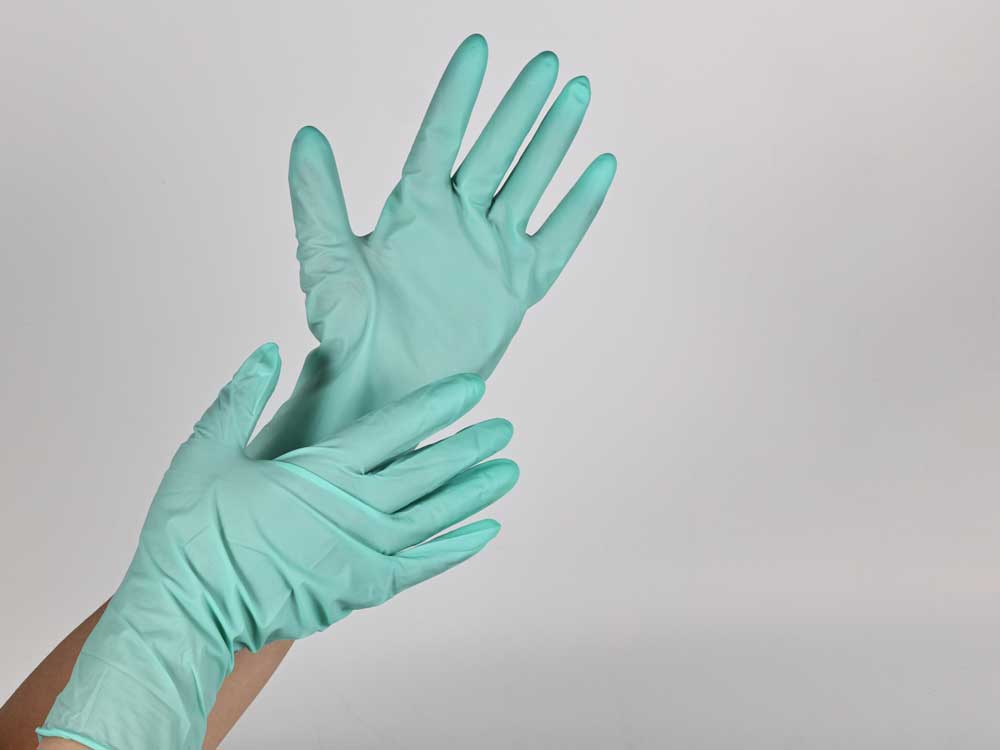
Proper donning techniques for nitrile gloves are crucial during surgery and body art procedures to prevent cross-contamination...
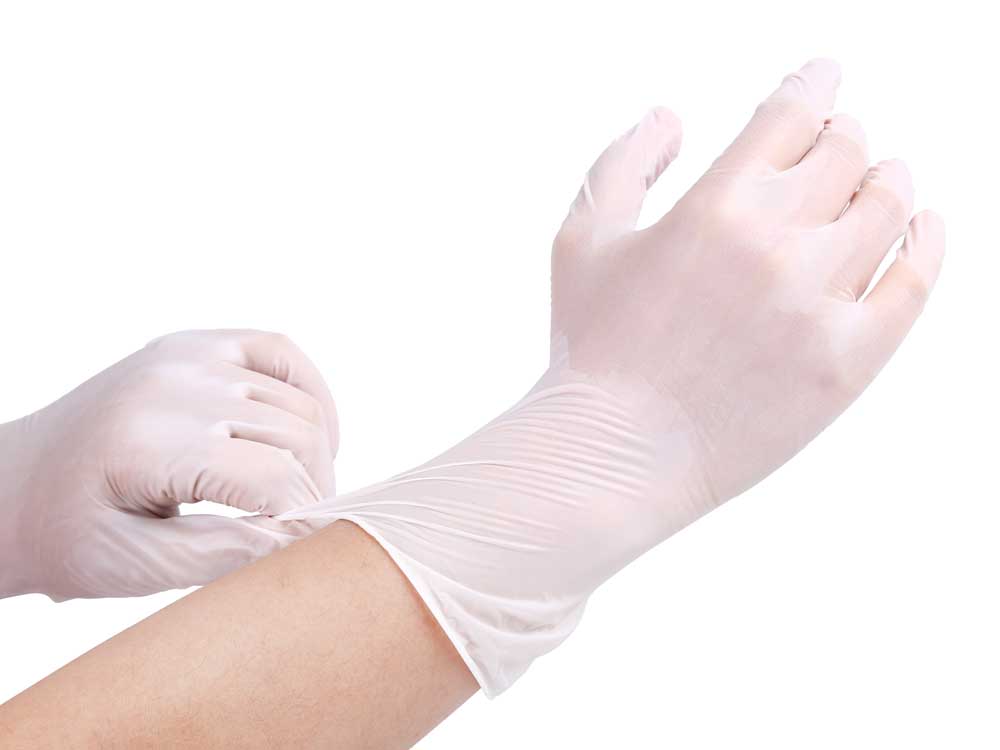
In food processing and general studio maintenance, hand contact is a primary risk point. PVC gloves offer a solid defense line...
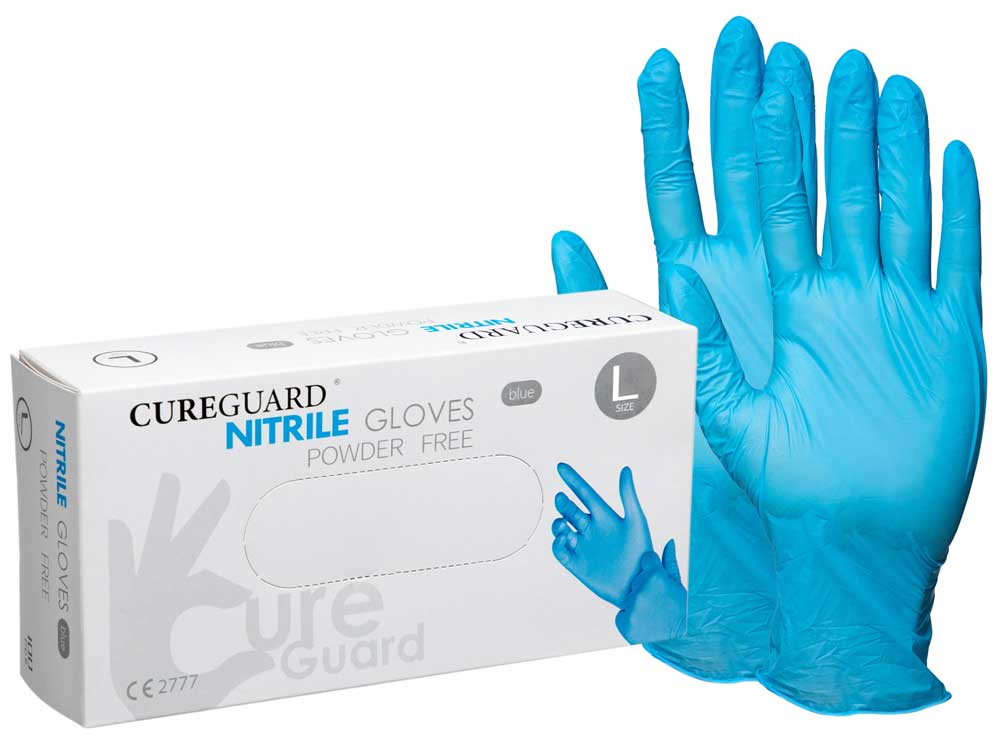
With rising safety awareness, the demand for high-durability nitrile protective equipment continues to expand globally...
Browse our extensive selection of disposable nitrile finger cots, medical-grade gloves, and vinyl protective gear.