
Leave Your Message
-
Contact Phone
-
 Contact Email
Engineered for horticultural dexterity, biohazard resistance in soil handling, and ergonomic comfort during heavy gardening tasks.
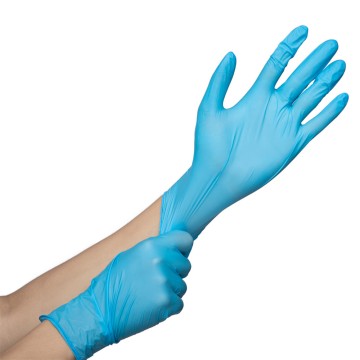
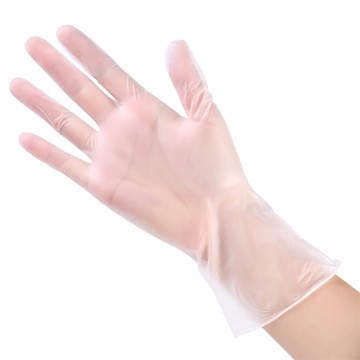
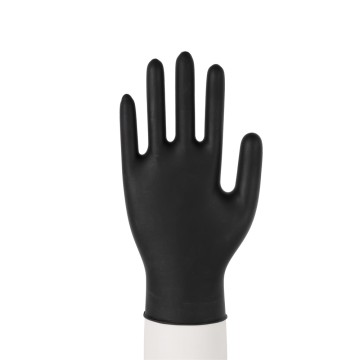
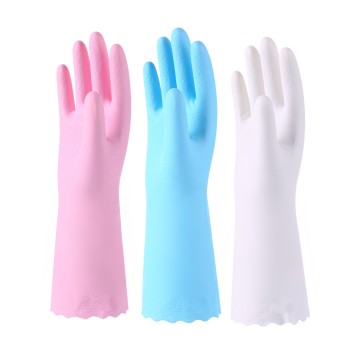
In modern horticulture, landscape architecture, and routine domestic yard maintenance, hand protection has undergone a major paradigm shift. For decades, gardeners and groundskeeping professionals relied exclusively on heavy leather or rough woven cotton canvas gloves. While traditional garden gauntlets offer bulk resistance against thick briars, they suffer from debilitating drawbacks: zero chemical impermeability, rapid water logging, loss of tactile finger sensitivity, and the inability to be easily sanitized or disposed of after encountering contaminated potting mixes, animal waste, or fungal spores.
The strategic migration toward medical-grade nitrile gloves for gardening and outdoor yard work represents a calculated commercial and scientific development. Acrylonitrile butadiene synthetic rubber (nitrile) provides superior molecular density compared to vinyl and natural rubber latex. Engineered initially to meet strict ASTM D6319 and EN 455 standards for pathogen containment in surgical environments, medical nitrile gloves deliver an impermeable, pinhole-tested biological barrier (AQL 1.5 or lower). When transitioned into soil management, these gloves block microscopic garden pathogens—such as Sporothrix schenckii (rose gardener's disease), Clostridium tetani spores, and parasitic nematodes—from entering tiny abrasions on the gardener's skin.
Certified AQL 1.5 medical nitrile prevents microscopic bacteria, fungi, and dangerous soil-borne pathogens from breaching open hand cuts or nailbeds during potting and composting.
Unlike porous canvas or standard rubber, synthetic nitrile polymers resist degradation from concentrated pesticides, herbicides, acidic soil modifiers, and oily plant resins.
Enables millimeter-accurate seed germination, delicate stem grafting, floral pinching, and deadheading without crushing tender plant tissues or reducing dexterity.
Global market analytics indicate a 7.4% Compound Annual Growth Rate (CAGR) in the adoption of single-use, high-tensile disposable gloves within residential gardening, organic greenhouse propagation, and commercial arboriculture. Several market drivers explain this surge:
First, environmental and organic gardening trends require frequent direct handling of moisture-rich organic amendments, compost tea, organic worm castings, and acidic peat moss. Leather gloves absorb these fluids, becoming breeding grounds for mold and retaining noxious odors. In contrast, disposable nitrile medical gloves create an absolute hermetic shield against fluids, keeping palms dry, clean, and dermatitis-free throughout extended outdoor work sessions.
Second, consumer awareness surrounding allergic contact dermatitis (Type I latex hypersensitivity and Type IV chemical accelerator allergies) has catalyzed demand for powder-free, accelerator-controlled synthetic nitrile formulations. Professional arborists and weekend gardeners alike can wear medical nitrile gloves for hours without erythema or perspiration maceration.
Understanding the material differences between nitrile, vinyl, latex, and heavy work gloves helps groundskeepers choose the right protective equipment for specific outdoor scenarios:
| Protection Metric | Medical-Grade Nitrile | Traditional Garden Leather | Standard Disposable Vinyl | Natural Rubber Latex |
|---|---|---|---|---|
| Puncture Resistance | High (3x to 5x higher than latex) | Extreme against thick blunt thorns | Low (prone to early rupture) | Moderate |
| Tactile Dexterity | Exceptional (microporous grip) | Very Poor (bulky, stiff) | Moderate (loose fit, low stretch) | High (elastic) |
| Chemical Barrier | Resistant to oils, pesticides & fuels | Absorptive / Ineffective | Weak to solvents & agrochemicals | Degraded by oils & fuels |
| Moisture Impermeability | 100% Waterproof Barrier | Porous; absorbs mud and rot | Waterproof until stretched | 100% Waterproof |
| Pathogen & Mold Defense | Medical Grade (AQL ≤ 1.5) | None (harbors fungal spores) | Standard General Barrier | Medical Grade (AQL ≤ 1.5) |
| Latex Allergy Risk | Zero (100% Synthetic Nitrile) | Zero | Zero | High (Natural proteins present) |
Examining critical outdoor tasks where medical nitrile gloves outperform traditional gear in both user protection and plant safety.
Handling delicate seedlings requires extreme fingertip sensitivity. Medical nitrile gloves eliminate heavy finger seams, allowing growers to separate root systems, plant 1mm seeds, and perform cleft grafting without bruising tender cambium cells or spreading viral pathogens from hand oils.
Fertilizers, systemic fungicides, and weed inhibitors contain hazardous active ingredients. Nitrile exhibits superior chemical permeation resistance over natural latex, protecting dermal layers from burns, neurotoxic exposure, and chemical-induced eczema during pump-sprayer refilling.
Contact with Poison Ivy, Poison Oak, and stinging nettles transfers volatile urushiol resin onto clothing and skin. Urushiol cannot permeate synthetic nitrile. Once weeding is complete, the gloves are simply peeled inside-out and disposed of, avoiding secondary contact.
Outdoor yard work involves tuning lawnmowers, chainsaws, weed whackers, and hydraulic splitters. Nitrile offers exceptional resistance to petroleum distillates, motor oil, grease, and gasoline that quickly ruin ordinary latex or fabric garden gloves.
Decomposing organic matter harbors dense populations of actinomycetes, thermophilic molds, and manure-derived coliform bacteria. Medical nitrile gloves prevent fungal nail infections (onychomycosis) and bacterial paronychia while turning compost piles.
When harvesting delicate berries, heirloom tomatoes, or edible flowers, nitrile exam gloves maintain strict food hygiene standards while guarding against sap staining, sticky botanical exudates, and finger rot during harvest periods.
Not every disposable glove can withstand the rigorous demands of yard work. When procuring nitrile gloves for agricultural or heavy residential gardening applications, B2B wholesale buyers and serious horticulturists must examine several technical benchmarks:
Standard medical exam gloves generally feature a 3.0 to 4.0 mil thickness for hospital room examinations. For outdoor yard work, a heavy-duty range of 4.5 mil to 6.0 mil (or higher) is ideal. This added thickness dramatically improves puncture resistance against wood splinters, rose prickles, and sharp gravel while retaining essential finger flexibility.
Wet soil, damp leaves, and slippery pruning shears present grip hazards. High-grade medical nitrile gloves for outdoor applications integrate specialized textured fingertips or an embossed micro-roughened surface. This texture channels away moisture and plant sap, ensuring positive traction on shears, trowels, and seed packets.
Outdoor yard maintenance frequently requires reaching into dense shrubbery, weed patches, or irrigation ditches. A prolonged cuff profile (such as 11-inch to 12-inch extended cuffs) ensures that the wrist, lower forearm, and jacket cuff remain shielded from scratchy brambles, ticks, and toxic plant fluids.
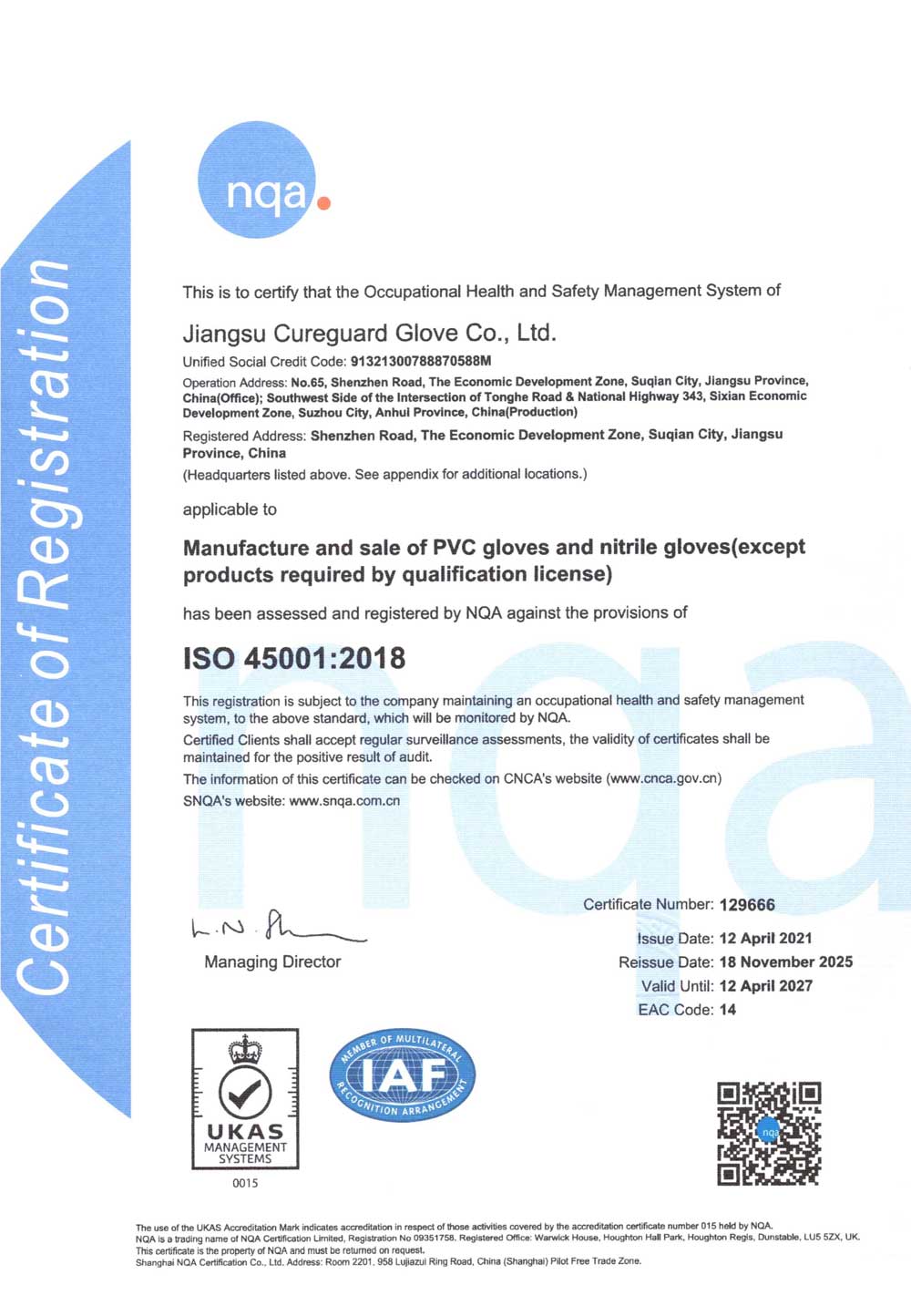
Established in 2006 and headquartered in Jiangsu Province, China, Cureguard Glove Group is specialized in glove manufacturing for over 20 years.
We own over 60 production lines dedicated to disposable vinyl and nitrile gloves, and reusable vinyl gloves with an annual output exceeding 10 billion pieces. We supply various kinds of gloves to customers in more than 100 countries and regions worldwide.
We roll out different series of products to address various routine scenario needs, such as medical examination, food contact, electronic industry, household use, precision horticulture, and heavy-duty outdoor gardening maintenance.



Our disposable nitrile and vinyl lines adhere to strict international medical and safety standards, verifying structural integrity and chemical safety across all operational tasks.
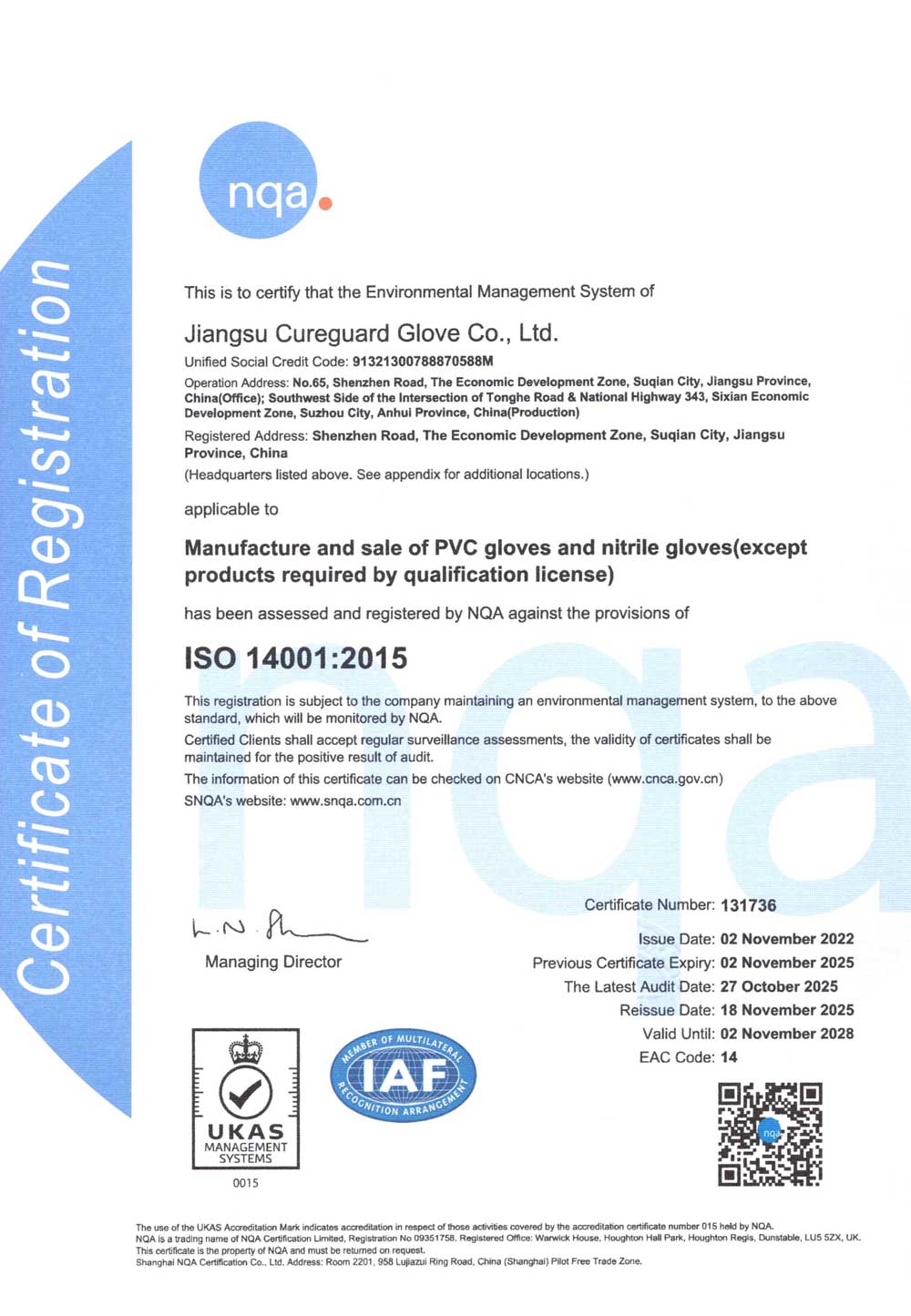
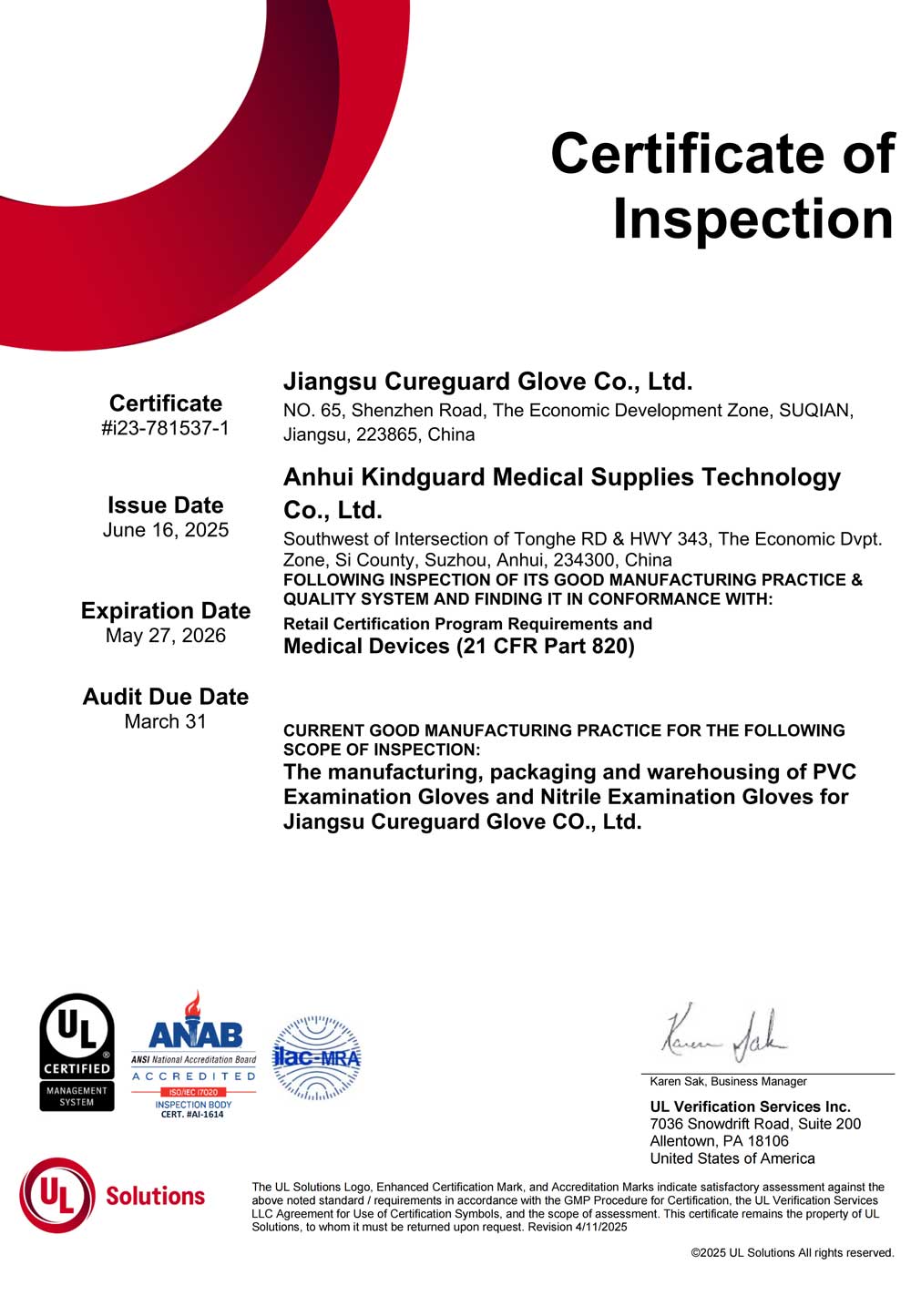
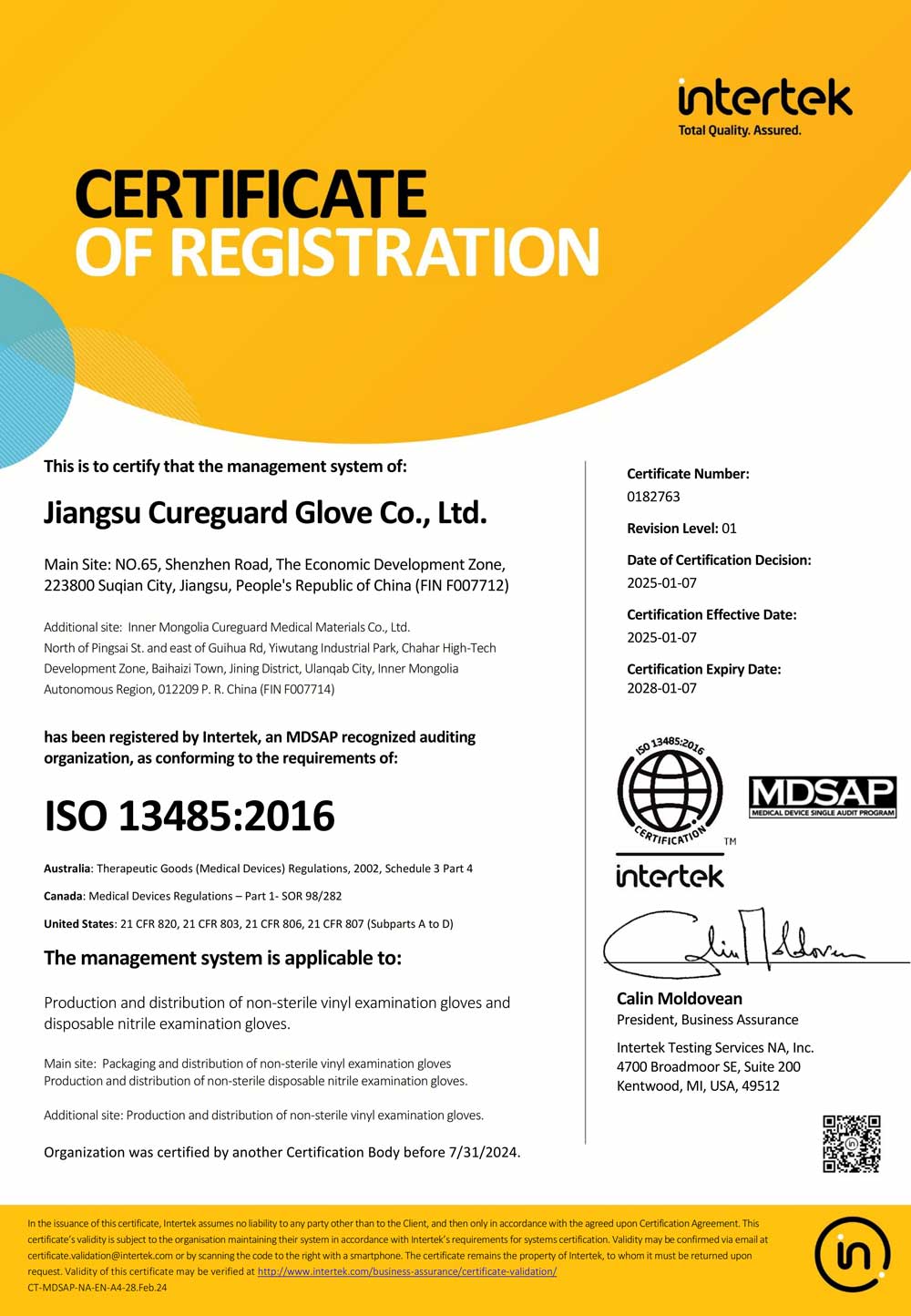
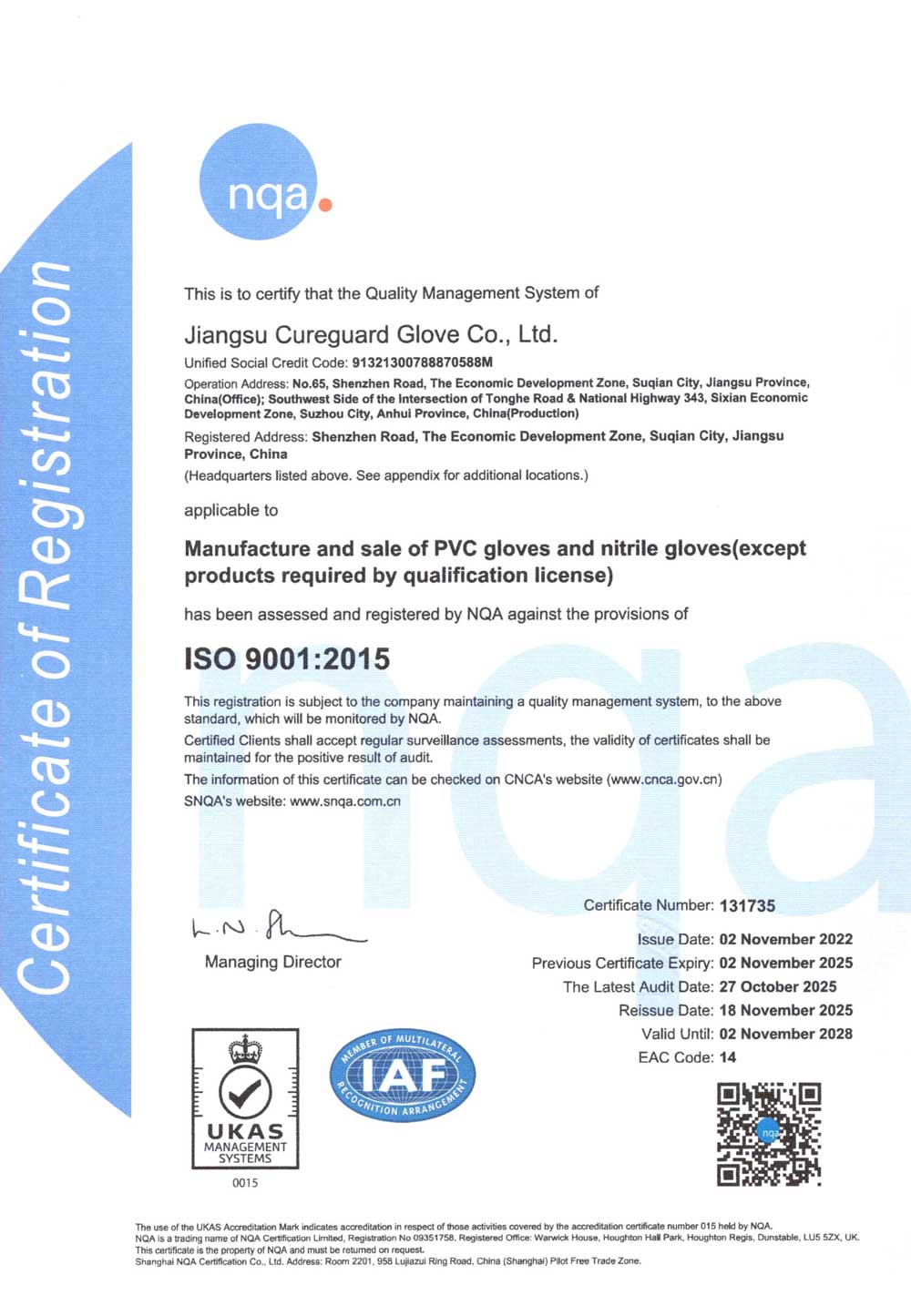
From healthcare facilities and cleanrooms to home kitchens and outdoor landscapes, our protective glove solutions satisfy strict regulatory and practical demands.
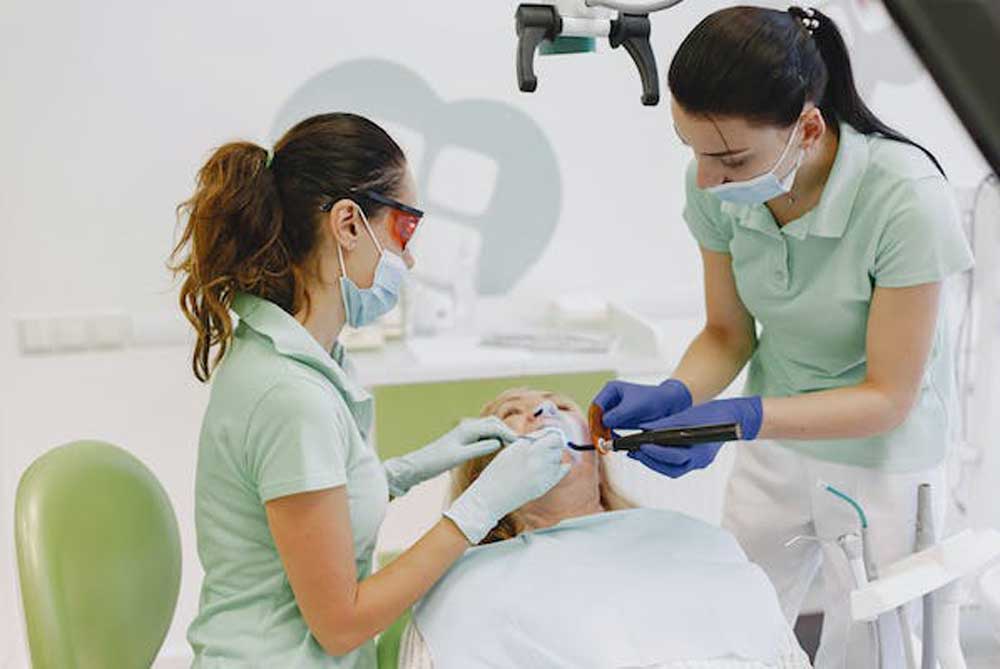

Pin-hole tested diagnostic gloves offering uncompromising viral, bacterial, and pathogen isolation for operating rooms, dental offices, and field clinics.
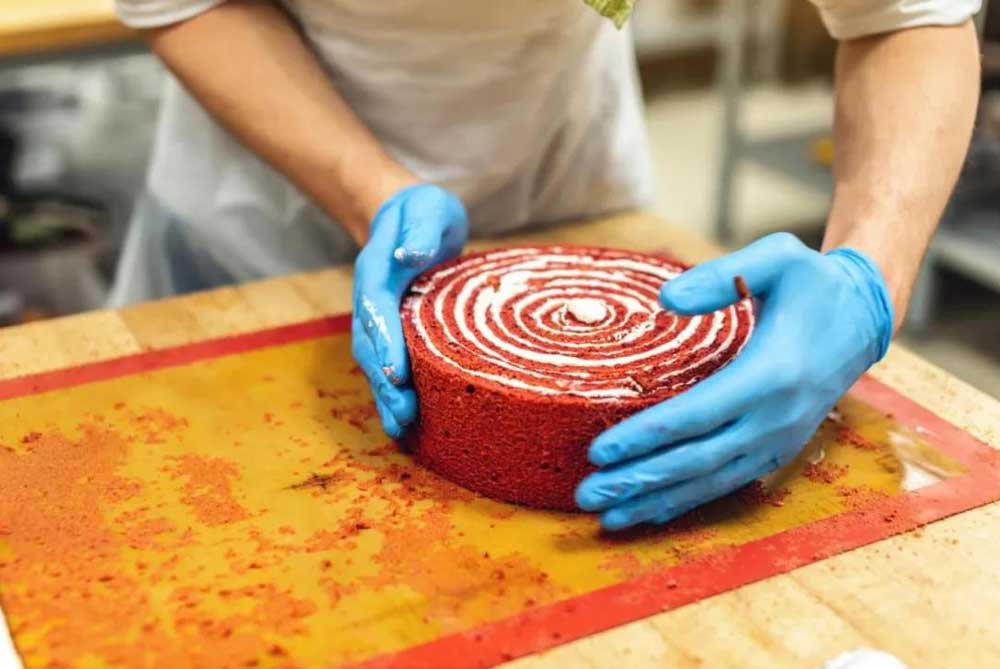

100% food-safe formulation adhering to FDA standards for meat packing, catering, restaurant prep, and direct garden-to-table organic harvesting.
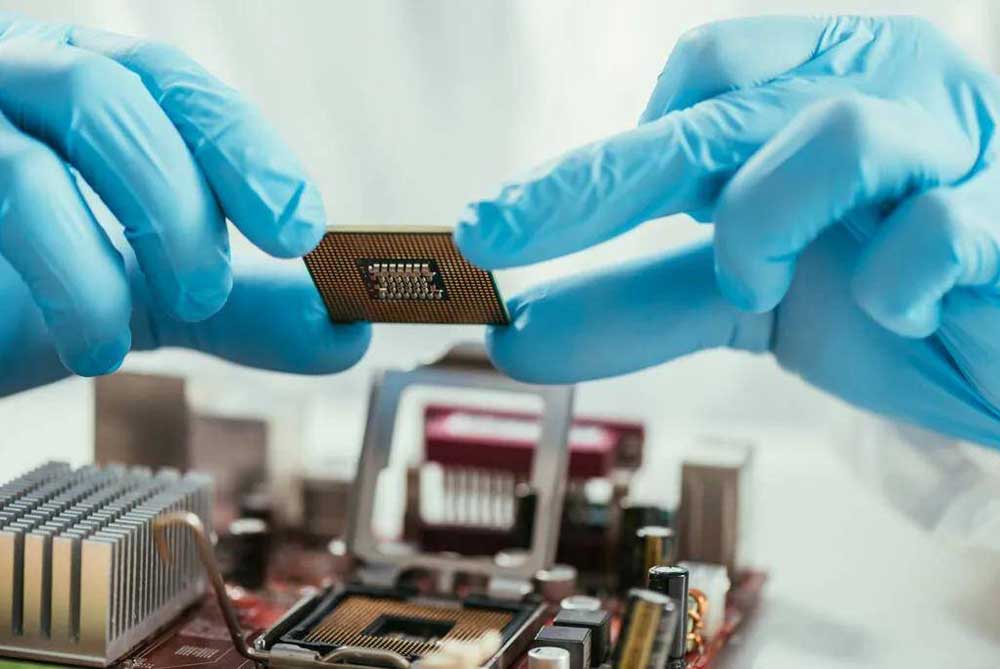

Low-particulate, anti-static gloves engineered for circuit manufacturing, laboratory chemical testing, machinery greasing, and small engine tuning.
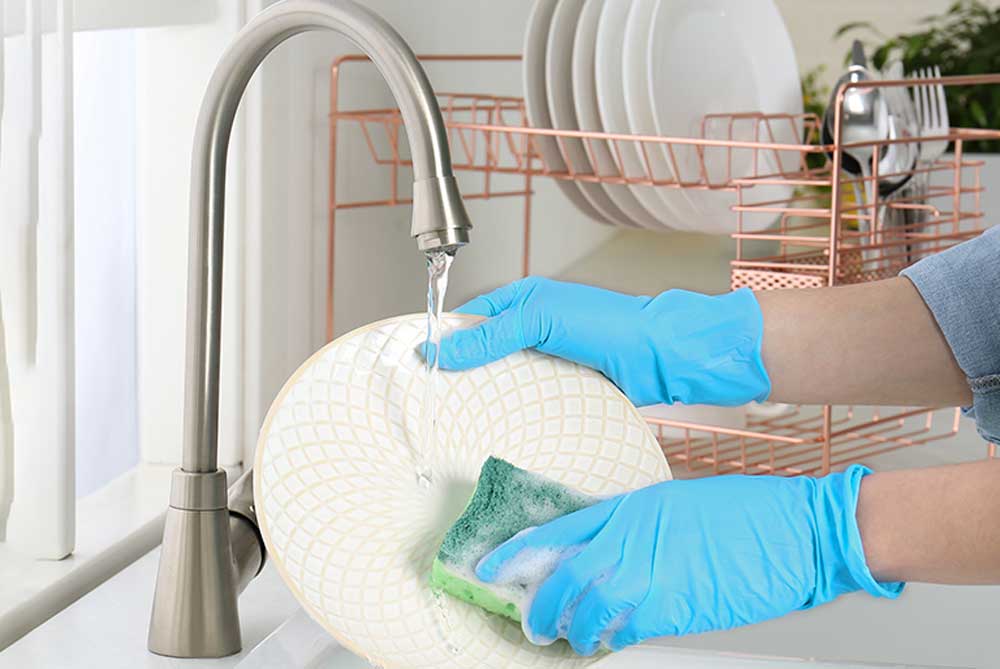

In home life and yard maintenance, hygiene and convenience are essential when handling soil, fertilizing flower beds, caring for pets, or scrubbing outdoor furniture.
Explore ApplicationsStay informed with the latest technological developments in polymer chemistry, infectious disease control, and hand health protection.
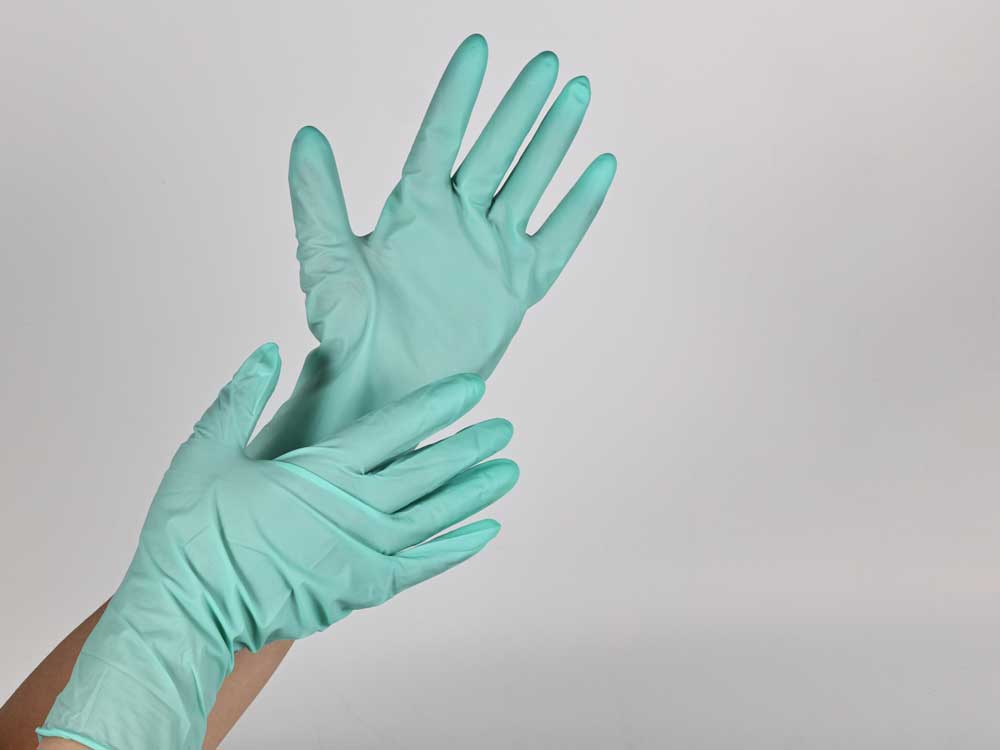
Medical staff wear nitrile gloves during surgery to prevent bacterial cross-infection. The same sterile donning techniques apply when working with sensitive tissue cultures and plant grafting.
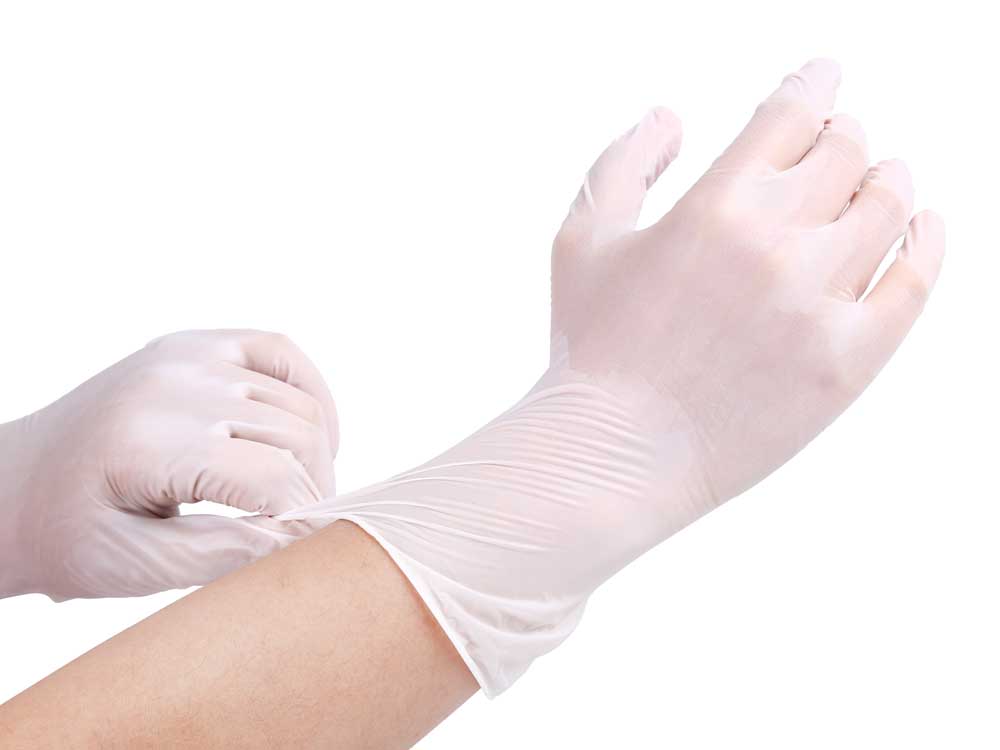
In the field of food processing and greenhouse production, hand contact is one of the primary risk points for cross-contamination, requiring reliable disposable barriers.
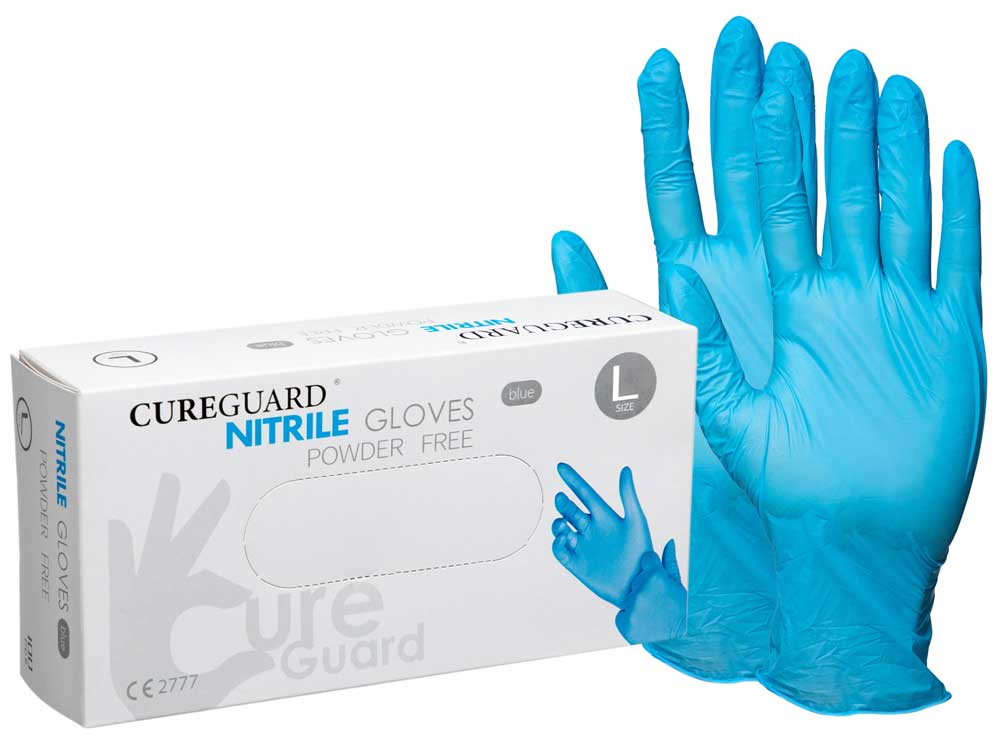
With growing safety awareness across healthcare and domestic landscaping, high-performance nitrile continues to replace legacy materials due to superior chemical resilience.
Explore our full catalogue of medical-grade nitrile, disposable vinyl, and reusable flocking-lined protective gloves engineered for maximum hand safety.