
Leave Your Message
-
Contact Phone
-
 Contact Email
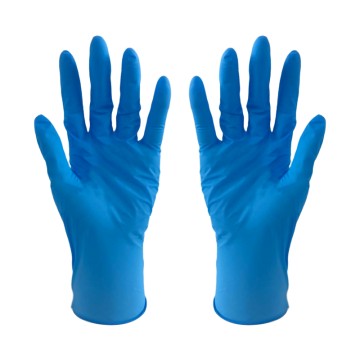
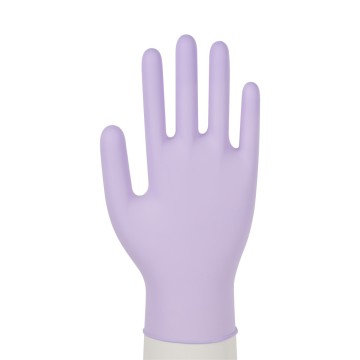
Engineered for Japanese anatomical sizing, tactile dexterity, and stringent AQL 1.0/1.5 standards. These 4 flagship models represent our highest export volume to Japanese hospitals, bento processing plants, and cleanrooms.
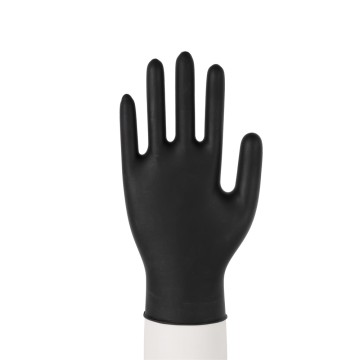
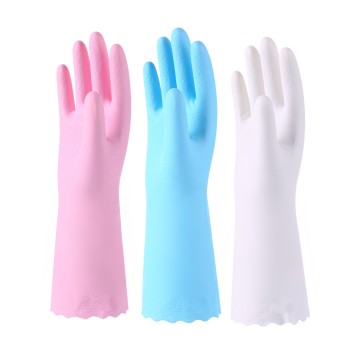
Japan represents one of the world's most discerning single-use glove markets. Characterized by unmatched quality benchmarks, an aging demographic, hyper-sophisticated cleanroom manufacturing, and strict food hygiene laws, sourcing OEM nitrile gloves requires precision compounding and reliable supply chain integration.
The Japanese industrial and medical landscape has undergone a monumental shift toward synthetic acrylonitrile-butadiene gloves (nitrile). Historically reliant on natural rubber latex and powdered polyvinyl chloride (PVC), Japanese commercial buyers, ranging from major general trading houses (sogo shosha) such as Mitsubishi Corporation, Itochu, and Marubeni, to hospital consortia, have decisively prioritized powder-free, accelerator-free, and sulfur-free nitrile formulations. This transition is catalyzed by three fundamental drivers: the eradication of Type I latex protein allergies, stringent Ministry of Health, Labour and Welfare (MHLW) directives, and the superior chemical permeation resistance that nitrile provides against industrial solvents, cytotoxic chemotherapy drugs, and fatty food lipids.
Unlike Western counterparts that prioritize standard bulk packaging and higher tensile thresholds at the expense of tactile sensitivity, Japanese end-users mandate ultra-low pinhole defect rates (AQL 1.0 or lower for medical examination), smaller ergonomic mold profiles tailored to Asian hand anthropometrics, and hyper-consistent micro-textured finger grip profiles. A single pinhole breach in a precision semiconductor fabrication plant in Kumamoto or an contamination incident in a central Tokyo commercial commissary can lead to catastrophic recalls. Consequently, OEM manufacturers serving Japan must operate with automated electronic pinhole testing, dual-chlorination dipping lines, and rigorous cleanroom laundering facilities.
Navigating the regulatory barrier to entry in Japan requires absolute adherence to domestic testing methodologies and statutory documentation:
Japan's demographic reality as a 'super-aged' society—with over 29% of its populace aged 65 or older—has created unprecedented structural consumption of disposable examination and hygienic gloves. The Long-Term Care Insurance (Kaigo Hoken) framework supports tens of thousands of specialized nursing care facilities, residential senior complexes, and home nursing stations across prefectures.
In elderly care scenarios, skin fragility and frequent patient repositioning require gloves with high elasticity, minimal cuff pressure to avoid circulatory constriction during extended wear, and extreme softness (often referred to as 'low-modulus nitrile'). Cureguard's customized Japanese nursing-care nitrile lines offer featherlight 3.0g to 3.5g formulations that preserve delicate tactile feedback during venous catheterization, blood sugar monitoring, and daily hygienic assistance, simultaneously mitigating skin irritation through dermatologist-tested, powder-free polymer coatings.
Standard Western hand formers often result in excessive fingertip slack for Japanese medical and electronics personnel. We maintain proprietary ergonomic aluminum hand molds sculpted specifically for Japanese hand measurements, eliminating finger-tip pooling and maximizing fine motor precision.
Equipped with multi-stage deionized water washing stations and continuous automated online optical vision sorting. Our cleanroom-grade nitrile lines ensure non-detectable silicone oil, ultra-low sulfur levels, and near-zero particle contamination for Japanese high-tech fabs.
Fully certified by verified third-party laboratories (including SGS, TUV, and domestic Japanese testing agencies) to comply with Japan's Food Sanitation Act. 100% free of forbidden phthalates, primary aromatic amines, and hazardous vulcanization residues.
Explore our primary polymer product series engineered for medical institutions, semiconductor assembly lines, food preparation chains, and household sanitation across Tokyo, Osaka, Nagoya, and Fukuoka.
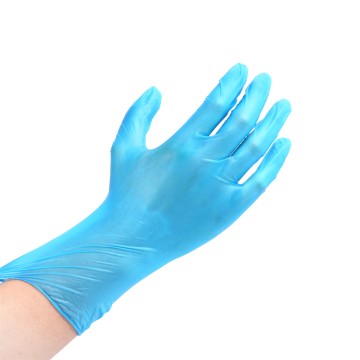
Manufactured from premium synthetic carboxylated butadiene-acrylonitrile copolymer. Free from natural latex proteins, these gloves provide 3x the puncture resistance of natural latex and superior barrier integrity against bloodborne pathogens, lipids, and industrial solvents.
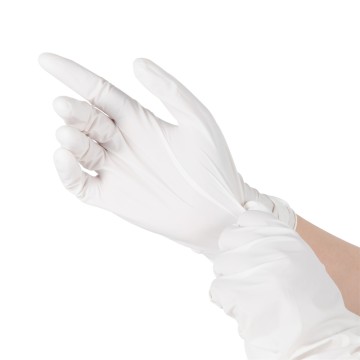
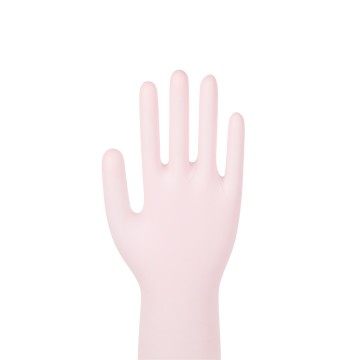
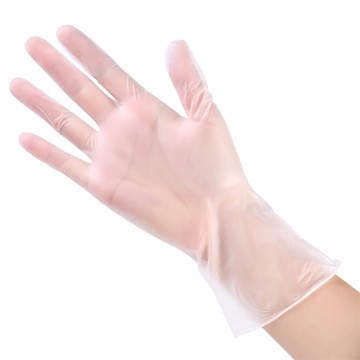
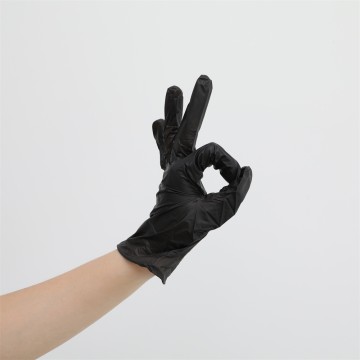
Synthesized with medical-grade polyvinyl chloride resin and eco-friendly non-phthalate plasticizers (DINP/DOTP). Highly cost-efficient for routine, high-turnover eldercare, sanitation, and catering operations across Japanese convenience store networks.
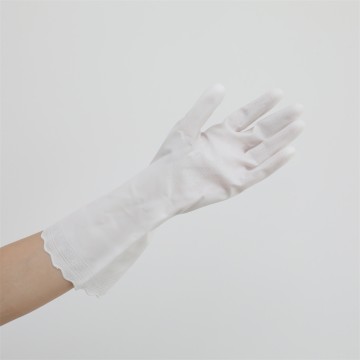
Engineered for prolonged wear in domestic dishwashing, institutional sanitation, commercial laundries, and municipal maintenance. Available with pure cotton flock lining for moisture absorption and thermal comfort during cold Japanese winter months.
Established in 2006 and headquartered in Jiangsu Province, China, Cureguard Glove Group has specialized in high-performance polymer glove manufacturing for over two decades. As a trusted Tier-1 OEM partner to multinational healthcare networks, pharmaceutical corporations, and Japanese trading companies, we operate with end-to-end precision manufacturing standards.
Our ultra-modern production footprint encompasses over 60 high-speed, dual-former computerized production lines dedicated to disposable nitrile, disposable vinyl, and reusable protective gloves. With an annual capacity surpassing 10 billion pieces, we guarantee uninterrupted, resilient container shipping schedules directly to Tokyo, Yokohama, Osaka, and Kobe ports.
We engineer diverse specialized formulations to satisfy the exacting routine operational standards across Japanese clinical examinations, HACCP-certified bento and seafood processing, cleanroom semiconductor wafer fabrication, and high-frequency residential consumer use.
Discover Our Corporate Heritage →


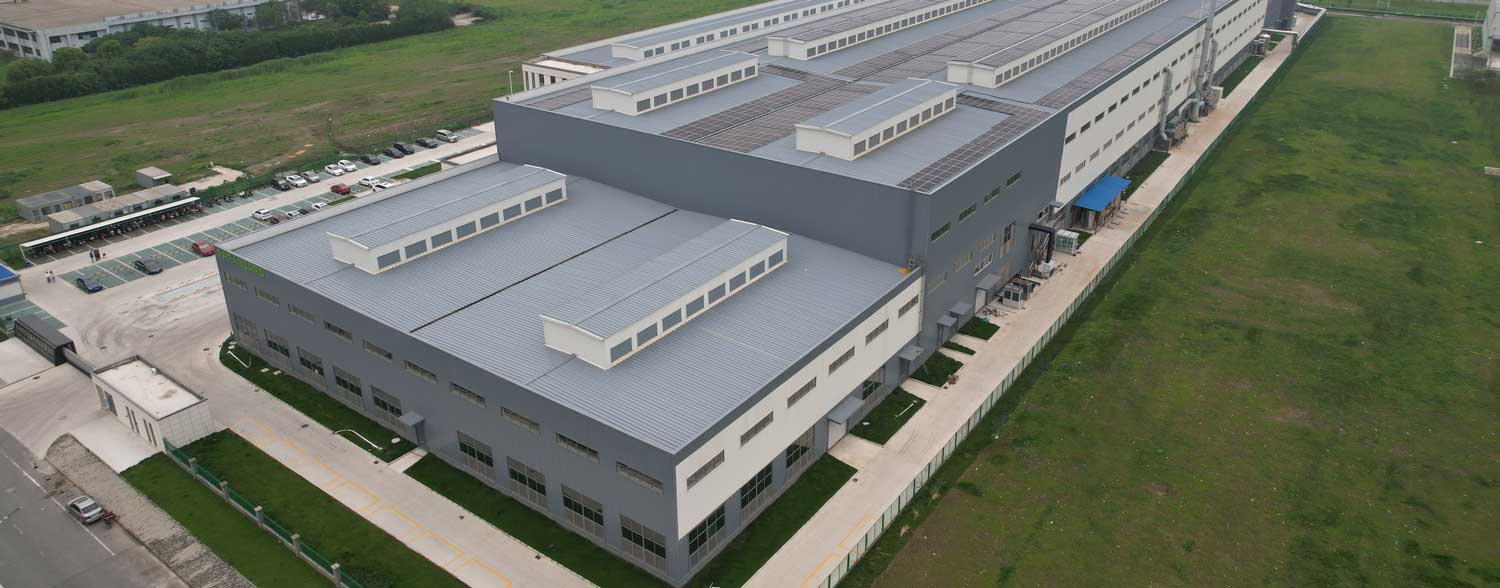
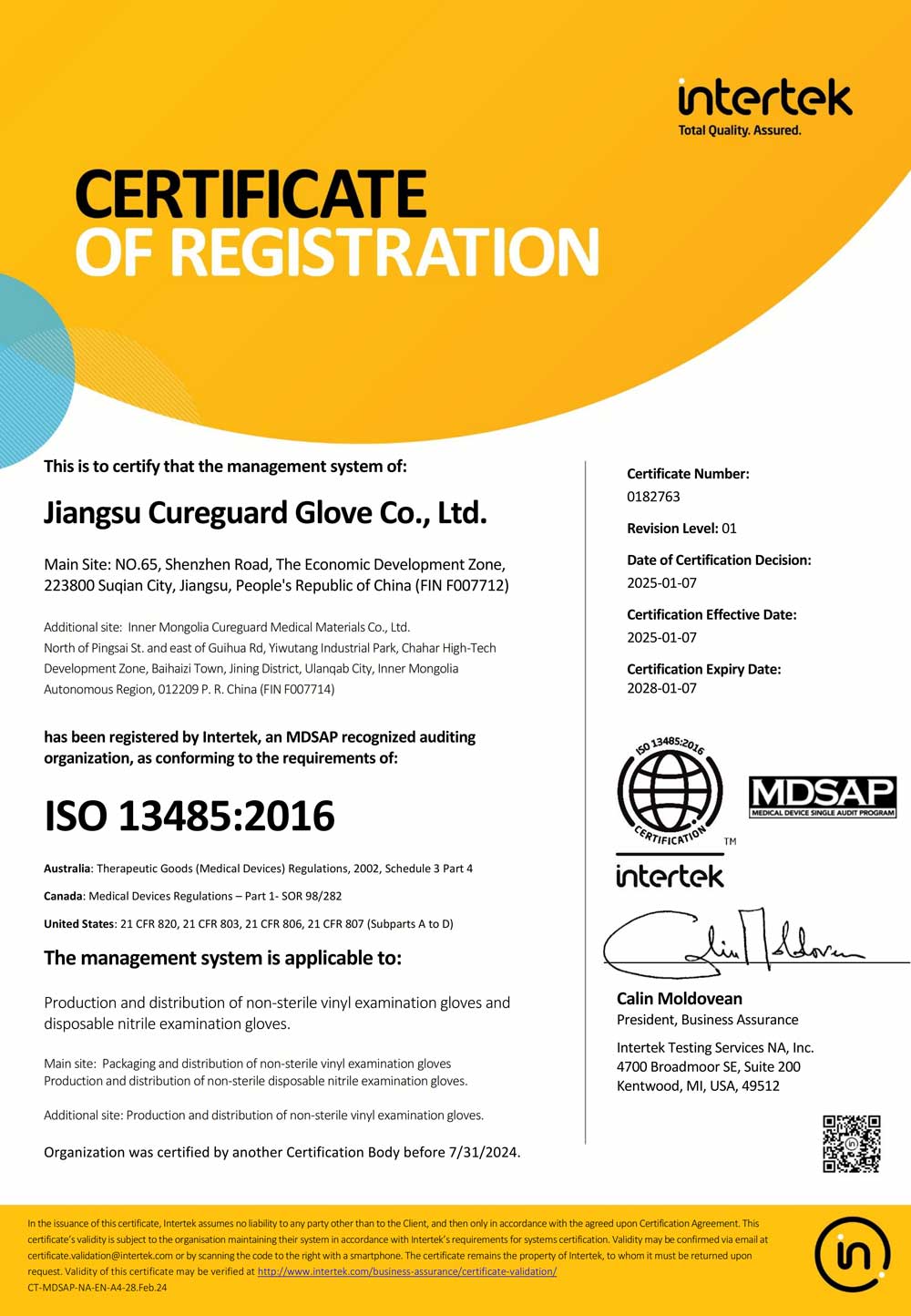
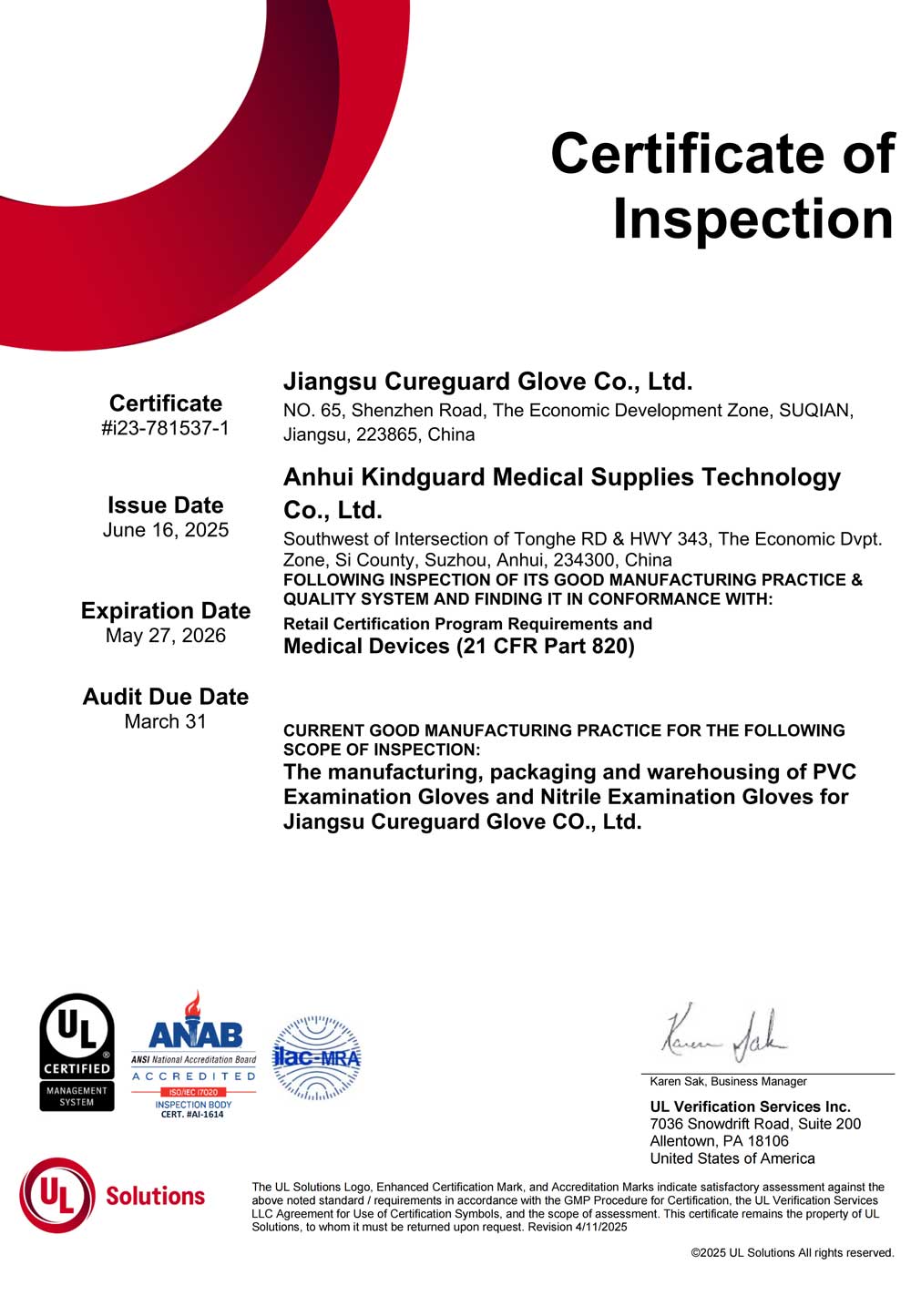
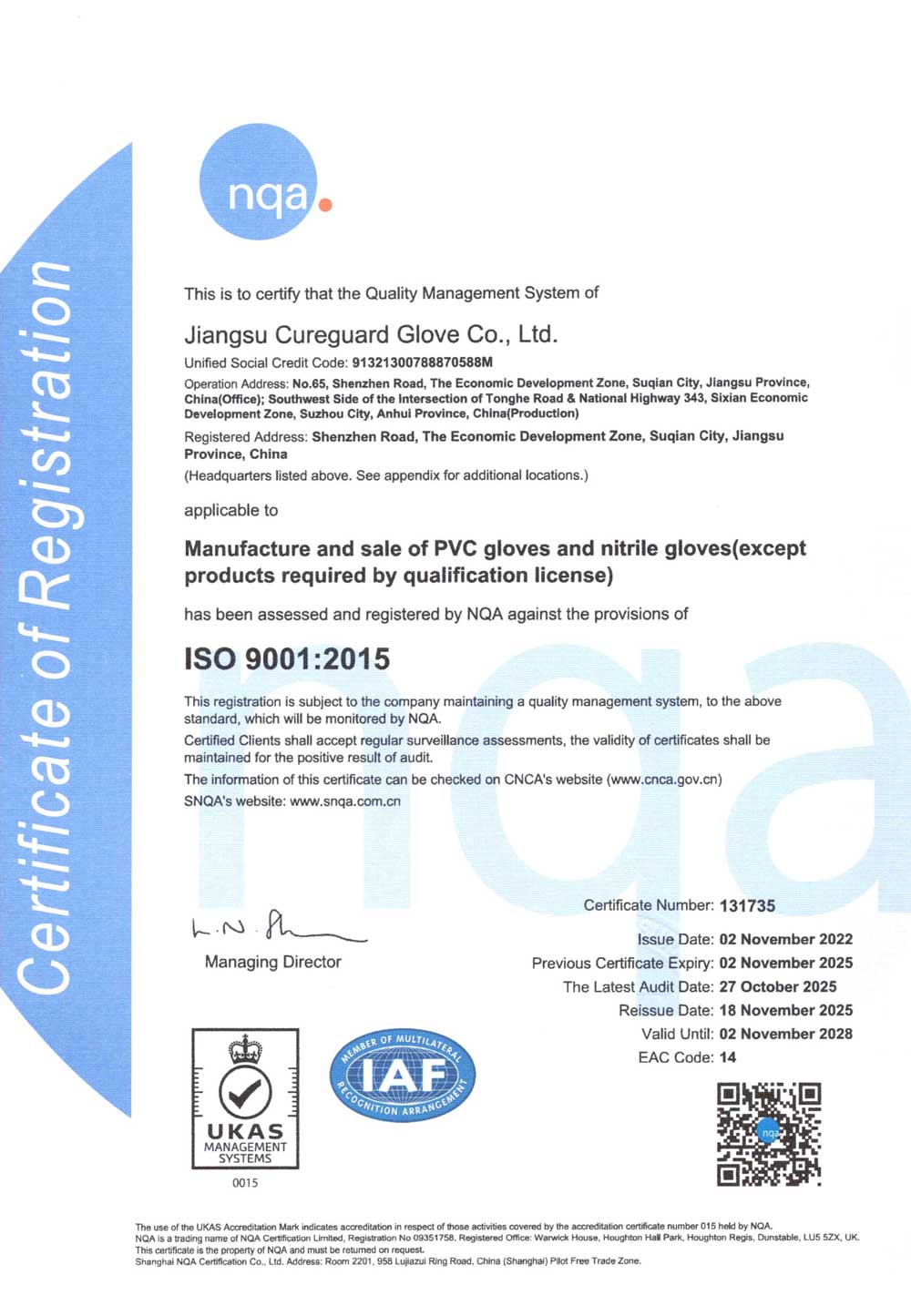
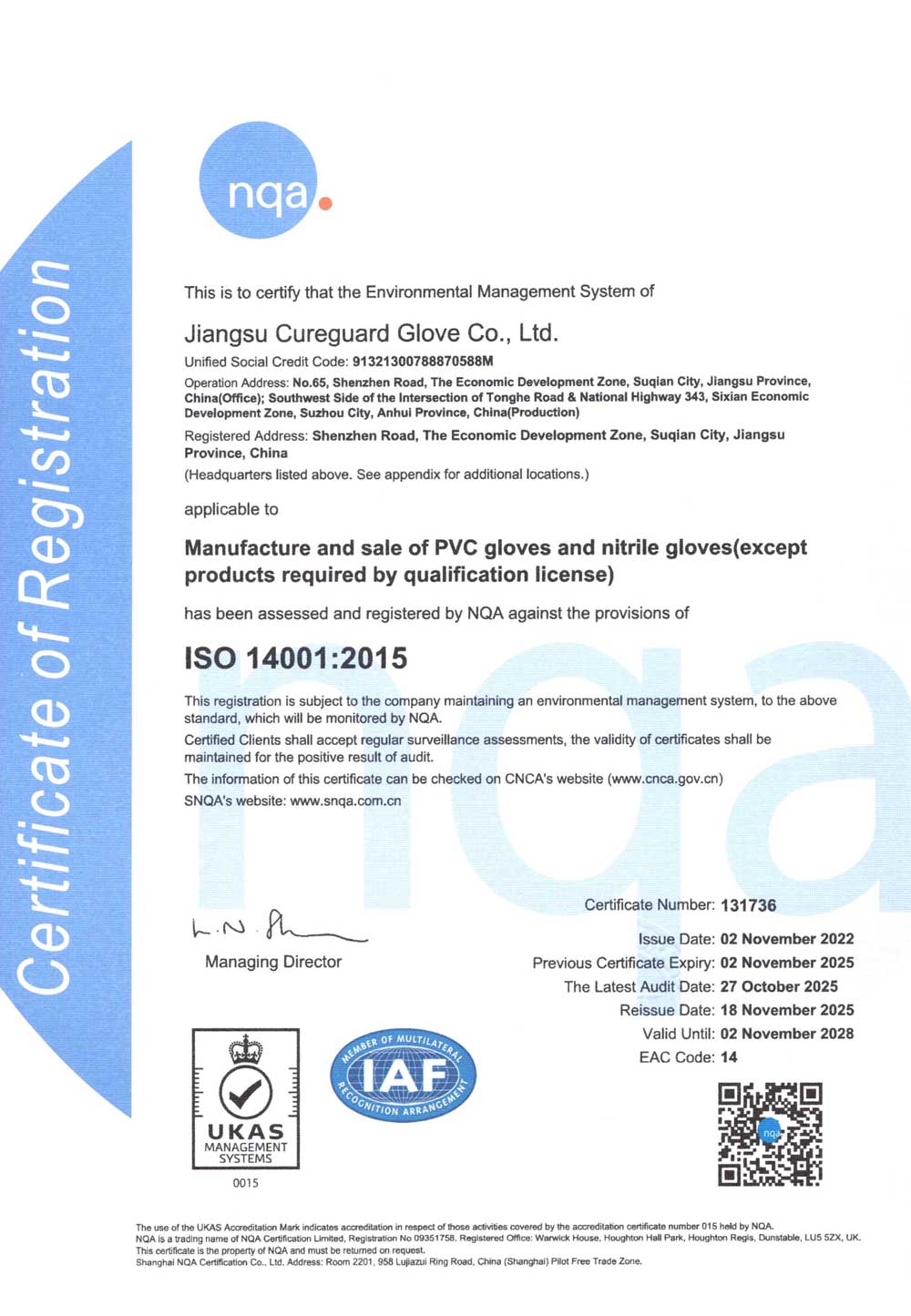
To satisfy Japanese regulatory audits and importer verifications, our facilities adhere to ISO 13485 medical device quality systems, ISO 9001 quality controls, ISO 14001 environmental frameworks, ISO 45001 occupational health safety, and internationally audited GMP guidelines.
From central sterilizing rooms in Tokyo university hospitals to semiconductor cleanrooms in Kumamoto and bento production lines in Saitama, our gloves provide tailored tactile feedback, chemical deterrence, and biological defense.
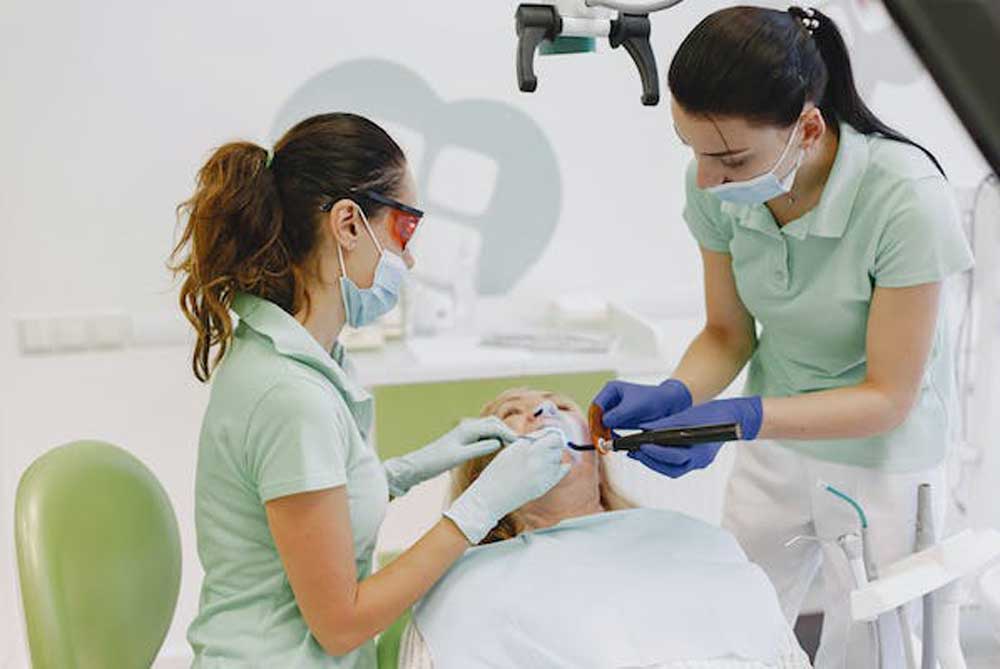

Formulated to resist cross-contamination during diagnostic examination, patient transfer, phlebotomy, and dental procedures across Japanese clinics. Conforms to JIS T 9115 with pinhole freedom exceeding AQL 1.5.
Learn More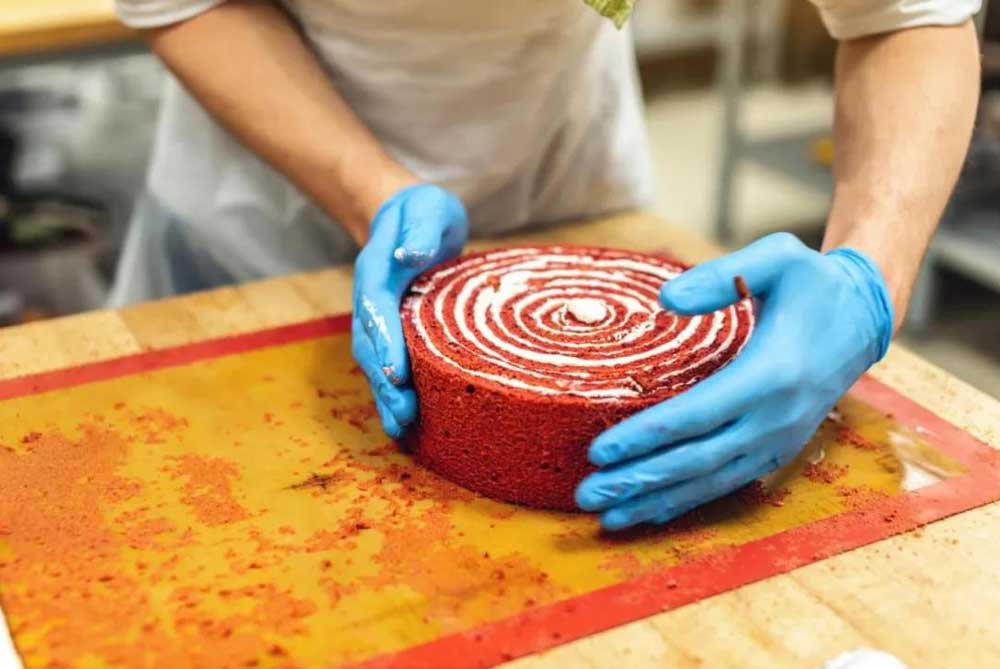

Essential for Japanese sushi makers, central bento production facilities, and meat processing plants. Thoroughly tested under Food Sanitation Act Notification No. 370 with supreme oil and lipid permeation resistance.
Learn More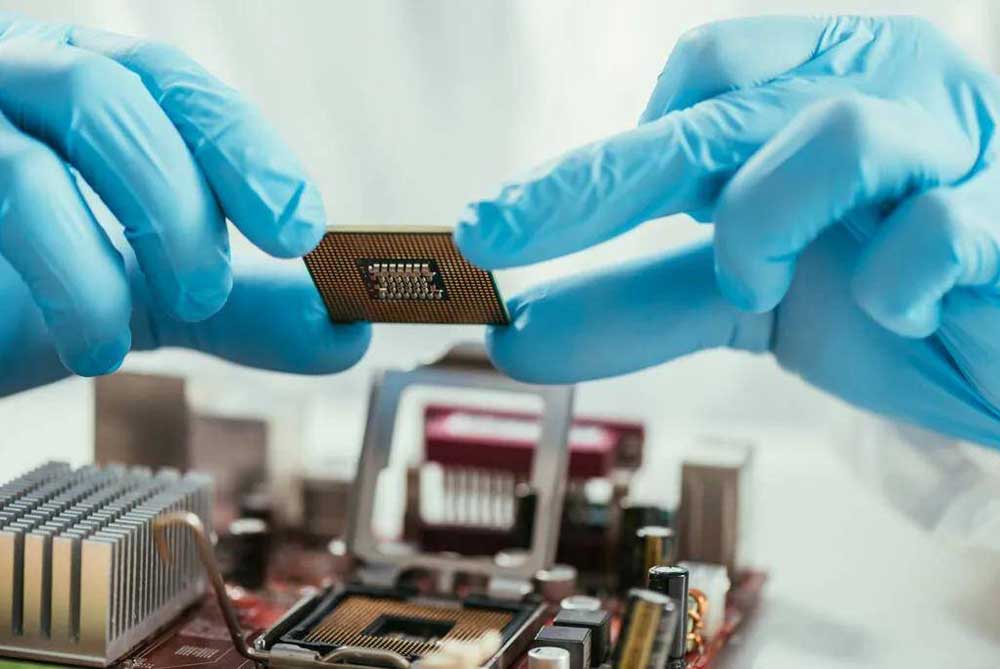

Engineered with electrostatic dissipative (ESD) properties, ultra-low mobile ion levels, and zero silicone oil residue. Safeguards precision microelectronics, robotics, and automotive coating operations in Japan.
Learn More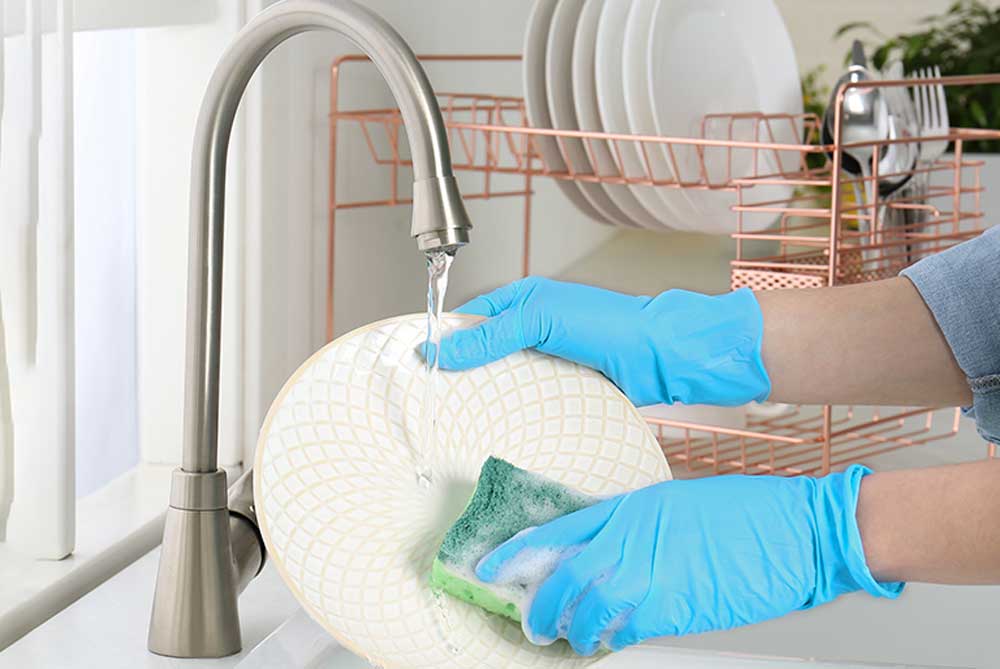

In home life, hygiene and convenience are equally crucial when cleaning kitchen countertops, handling raw fish, gardening, or caring for children and pets. Made from skin-friendly materials for family safety.
Learn MoreHow Cureguard collaborates with Japanese wholesalers (Tonya), pharmacy chains (Matsumoto Kiyoshi, Welcia), medical suppliers, and private brand owners to manufacture market-ready glove consignments.
Entering the Japanese B2B and consumer retail glove channels requires attention to detail far beyond standard industrial commodities. Packaging integrity, accurate Japanese language barcoding (JAN codes), tamper-evident sealing, and compact dispensing mechanics are critical criteria evaluated by Japanese quality controllers.
Full layout design assistance for inner dispenser boxes (100 pcs / 200 pcs) and outer corrugated export cartons, featuring precise Japanese regulatory verbiage, recycling marks (Plamark / Paper mark), and barcode verification.
High-demand Japanese color options: Soft Sakura Pink (for dental and cosmetics), High-Visibility Royal Blue (for HACCP food foreign-object detection), Deep Charcoal Black (for styling and tattoo parlors), and Translucent White.
Strategic factory locations in Jiangsu facilitate rapid transit times to Japan's primary maritime ports (Tokyo, Yokohama, Nagoya, Osaka, Kobe, and Hakata), enabling short replenishment cycles and resilient buffer stocks.
To assist procurement managers and quality engineers, the following table delineates our standard export grades engineered for Japanese enterprise clients:
| Parameter / Grade | Medical / Clinic Grade (PMDA/JIS) | Food Processing (MHLW No. 370) | Semiconductor Cleanroom Grade |
|---|---|---|---|
| Base Material | 100% Nitrile Copolymer (NBR) | Pure Virgin Nitrile / Food Vinyl | High-Purity Low-Sulfur Nitrile |
| Pinhole Integrity (AQL) | AQL 1.0 or AQL 1.5 | AQL 1.5 to 2.5 | AQL 1.0 & Class 100 Visual Audit |
| Tensile Strength (MPa) | ≥ 14 MPa (Aged ≥ 14 MPa) | ≥ 14 MPa | ≥ 16 MPa |
| Ultimate Elongation | ≥ 500% | ≥ 500% | ≥ 550% |
| Surface Texture | Fingertip Micro-Textured | Full Palm / Diamond / Smooth | Ultra-Fine Textured No-Slip |
| Extractable Contaminants | Zero Powder (<2mg/glove) | No Plasticizer Migration | DI Leached <100 ng/cm² Ions |
Stay informed on cutting-edge protective glove manufacturing protocols, clinical donning protocols, and barrier integrity engineering.
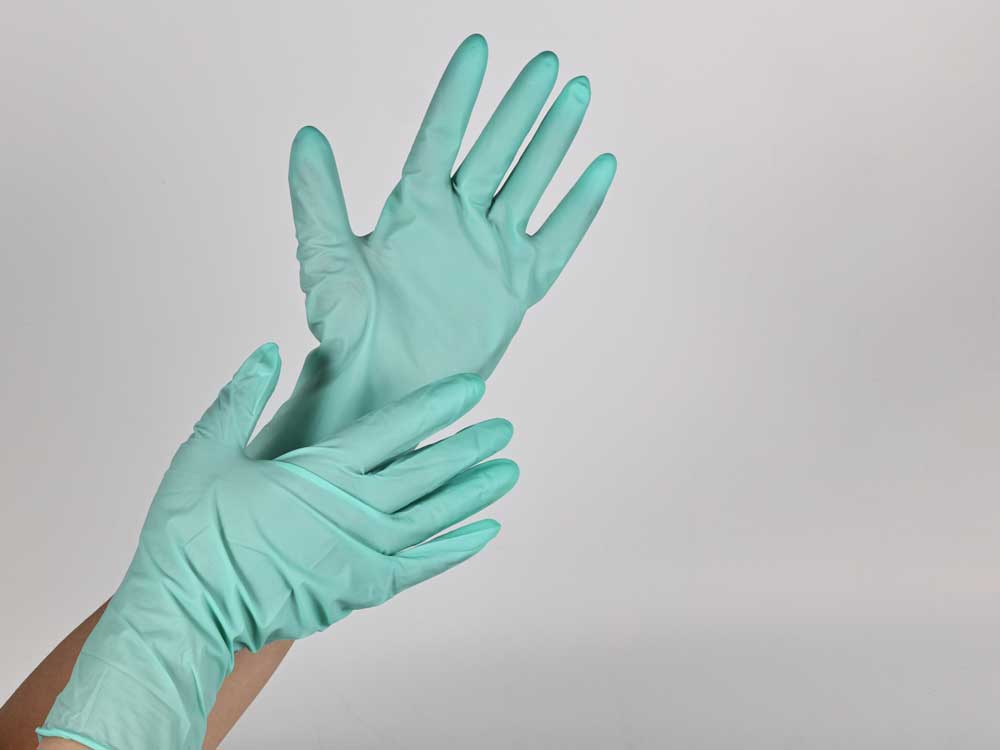
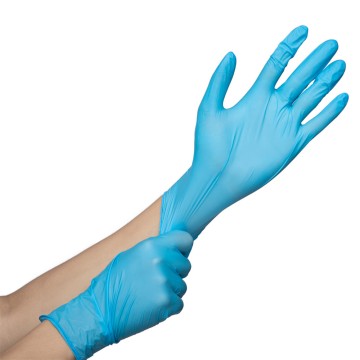
Medical staff wear nitrile gloves during operative procedures and examinations to mitigate bacterial transmission. Understanding closed donning protocols maintains sterile barrier defense against nosocomial pathogens.
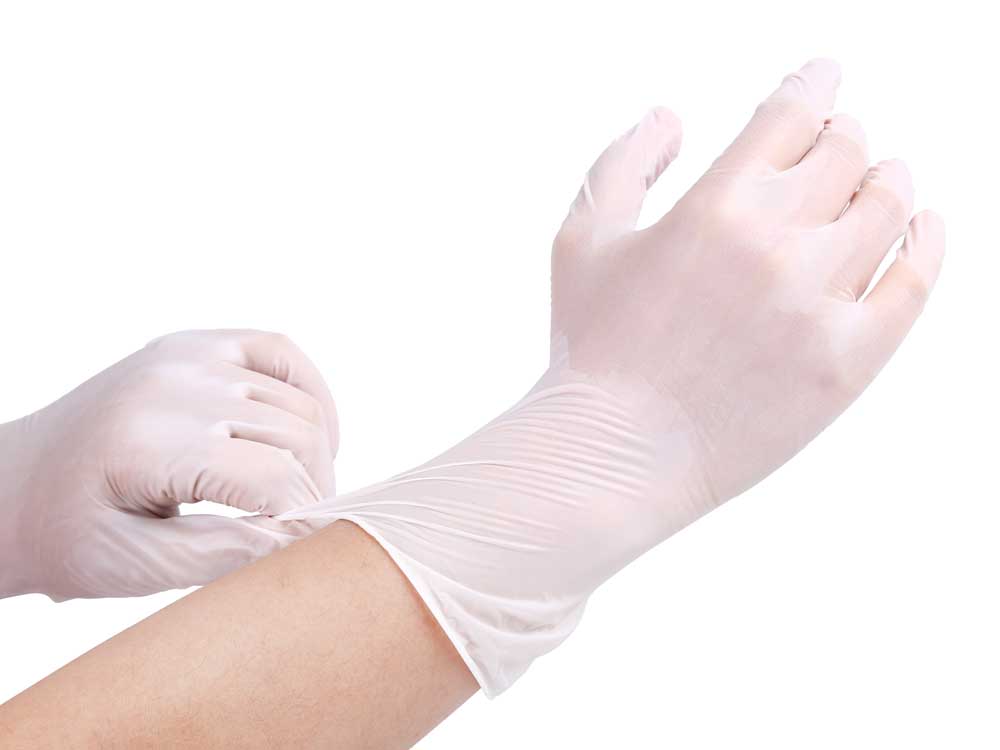
In food preparation, hand contact is a primary risk vector for cross-contamination. Utilizing food-grade vinyl barriers provides high tactile comfort while protecting products under HACCP regulatory frameworks.
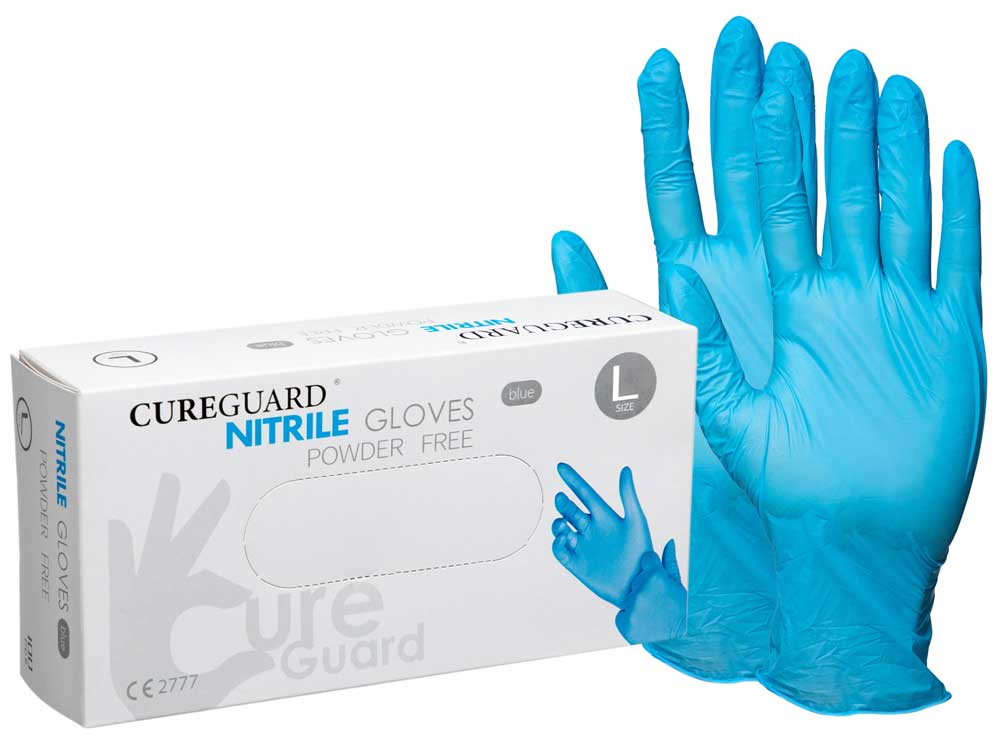
With growing global safety consciousness, protective equipment demand is diversifying. Nitrile formulations offer latex-free comfort, chemical resilience, and durability across multi-disciplinary environments.
Browse our complete selection of 8 original single-use protective gloves, directly available for OEM mass production, customized box packaging, and scheduled container delivery to Japanese ports.