
Leave Your Message
-
Contact Phone
-
 Contact Email
Explore our most popular protective gloves preferred by food processing facilities and medical institutions across Japan.
Japan’s food industry is globally renowned for its meticulous attention to detail, uncompromising hygiene standards, and commitment to public health. From the high-end sushi counters of Ginza to the massive bento assembly lines in Saitama, protective gear plays a critical role in preserving the integrity of the nation's culinary output. Among these protective measures, food-grade nitrile gloves have emerged as the standard defense against cross-contamination, foodborne pathogens, and chemical hazards. As a leading OEM partner, we specialize in supplying Japanese distributors, supermarkets, and food manufacturers with premium-grade nitrile gloves that meet both local regulations and cultural expectations of quality.
With Japan fully enforcing hazard analysis critical control point (HACCP) regulations for all food business operators, the demand for certified, high-tensile, food-grade nitrile gloves has grown exponentially. Our OEM services ensure that every batch of gloves complies with Japan's Food Sanitation Act (Ministry of Health, Labour and Welfare Notification No. 370).
The Japanese market is highly characterized by its structured distribution channels and strict compliance demands. The commercial sector is divided into several major segments, including institutional food services, central kitchens (惣菜 - Souzai), marine product processing, agricultural packaging, and retail supermarkets. Each of these segments requires specific glove properties. For example, Central kitchens that prepare ready-to-eat meals for convenience store chains (like 7-Eleven, Lawson, and FamilyMart) run 24/7 operations where worker endurance and glove reliability are paramount. If a glove rips during high-speed packaging, it can halt entire production lines, costing millions of yen in lost productivity and compromised materials.
Furthermore, Japan's aging workforce presents unique ergonomic challenges. Food processing plants require gloves that minimize hand fatigue over long shifts. Nitrile gloves, which conform to the shape of the hand using body heat, provide a superior ergonomic fit compared to traditional vinyl or natural rubber latex. This helps prevent hand fatigue and supports the efficiency of workers in automated and semi-automated packaging lines.
Historically, natural rubber latex and polyvinyl chloride (PVC/vinyl) gloves were widely used in food processing. However, a major shift has occurred due to two primary factors: allergen mitigation and physical durability.
Latex proteins can cause severe allergic reactions in both food handlers and end consumers. In Japan, where food safety is viewed as a matter of national health, even a minor risk of allergen transfer to consumers is unacceptable. Nitrile gloves are made from synthetic butadiene-acrylonitrile rubber, making them completely latex-free. This eliminates the risk of latex-induced anaphylaxis, providing peace of mind to food operators and consumers alike.
Nitrile is inherently tougher than vinyl and latex. In Japanese seafood processing plants, workers handle sharp fish bones, shells, and ice. Vinyl gloves tear easily under these conditions. Nitrile provides up to three times the puncture resistance of latex, protecting the worker's hands while preventing glove fragments from contaminating the food. Additionally, nitrile offers excellent resistance to animal fats, vegetable oils, and common sanitizing chemicals (such as sodium hypochlorite and alcohol), which are heavily used in Japanese sanitation protocols.
The versatility of our OEM nitrile gloves allows them to be deployed in diverse, highly specialized Japanese culinary environments:
In high-end Japanese restaurants (Ryotei and Sushi-ya), the touch of the chef is vital. While traditional chefs historically worked with bare hands, modern hygiene protocols and global tourist expectations have driven many establishments to adopt ultra-thin, high-tactile nitrile gloves. These gloves must fit like a second skin, allowing chefs to feel the texture of the rice and the delicate slicing of raw fish (Sashimi) without losing grip or dexterity. The powder-free design ensures no residue is transferred to the premium ingredients.
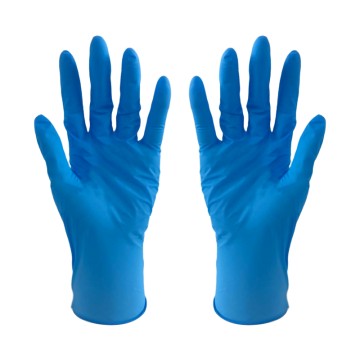
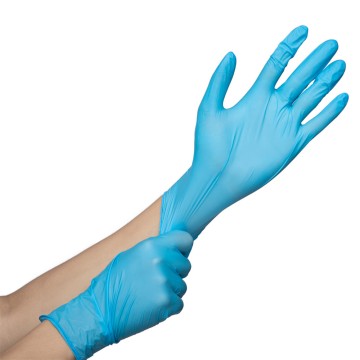
The "Nakashoku" market (eating prepared food at home) is a massive pillar of Japan’s food economy. Thousands of central kitchens prepare millions of bento boxes daily. Workers on these assembly lines perform repetitive tasks, handling moist, oily, and sticky foods. Our blue nitrile gloves are widely used here because their micro-textured fingertips provide a secure grip, and the bright blue color makes them easily detectable in the unlikely event that a piece of the glove is severed.
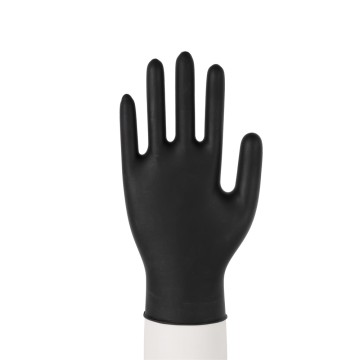
Depachika represents the pinnacle of Japanese retail food culture. Located in the basements of major department stores like Mitsukoshi, Isetan, and Takashimaya, these food halls demand aesthetic excellence. Food servers and handlers must present a clean, professional, and sophisticated image. Our sleek black and dark blue nitrile gloves are highly popular in these environments, projecting a modern, hygienic, and high-tech image to discerning shoppers.
From the Tsukiji/Toyosu fish market to the processing hubs of Hokkaido and Tohoku, handling marine products is a major industry. Workers operate in cold, wet conditions, dealing with frozen fish, crabs, and shellfish. Standard gloves stiffen and lose flexibility in cold climates. Our specialized low-temperature nitrile formulations remain flexible and elastic, ensuring workers maintain grip and hand dexterity even in near-freezing environments.
As we look forward, the Japanese food glove market is evolving rapidly, driven by sustainability, automation, and demographic shifts. OEM factories must adapt to these trends to remain competitive:
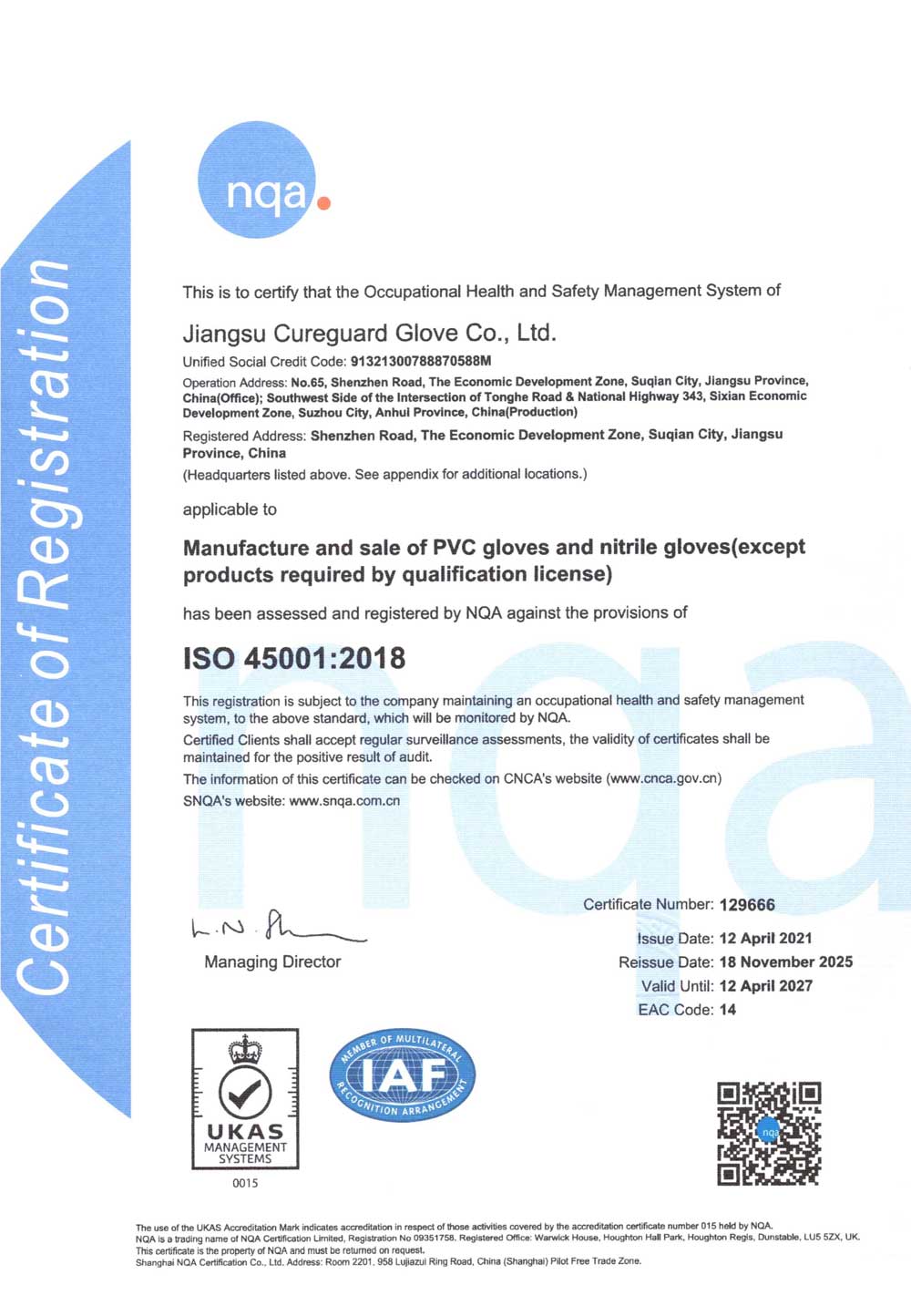
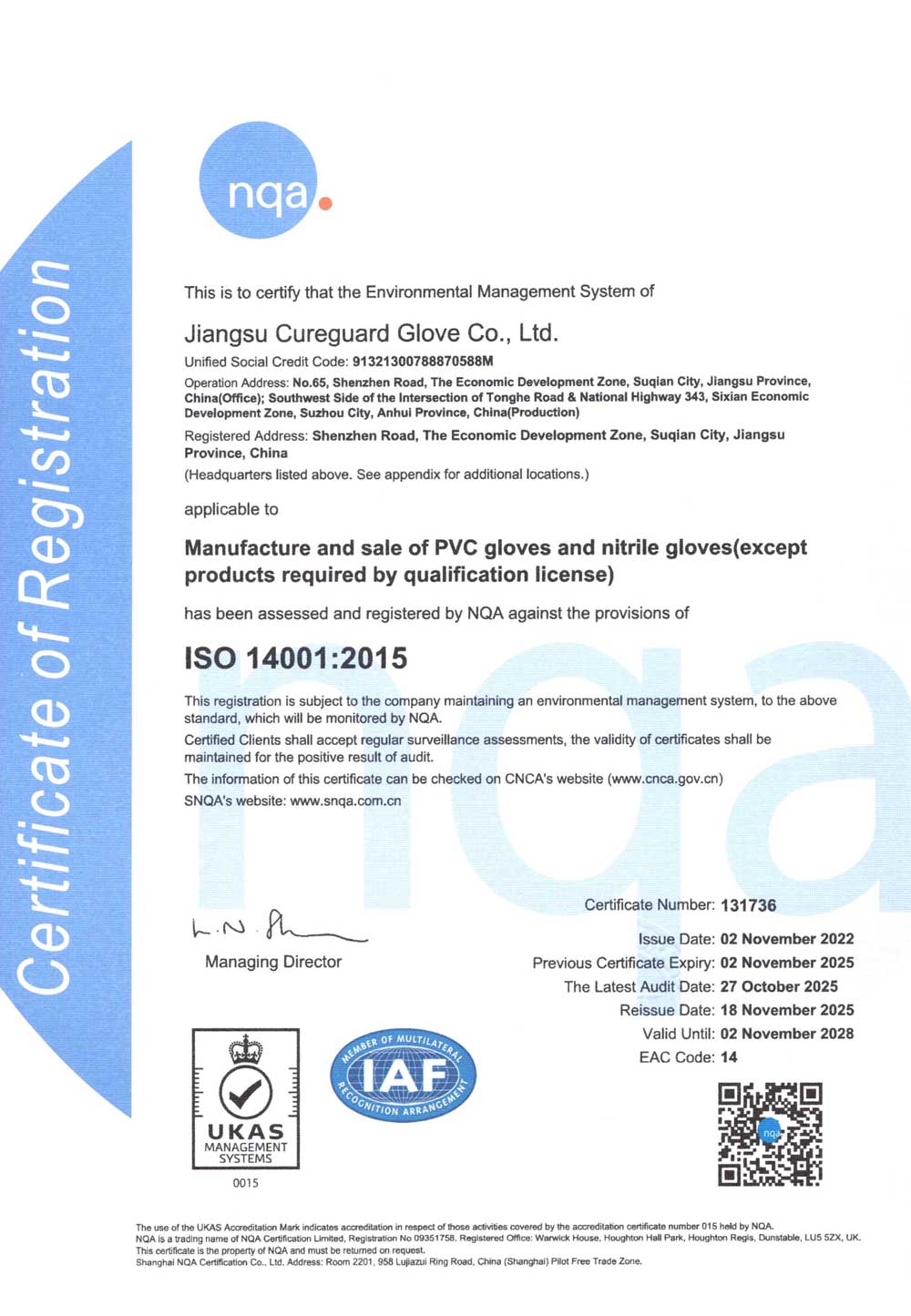
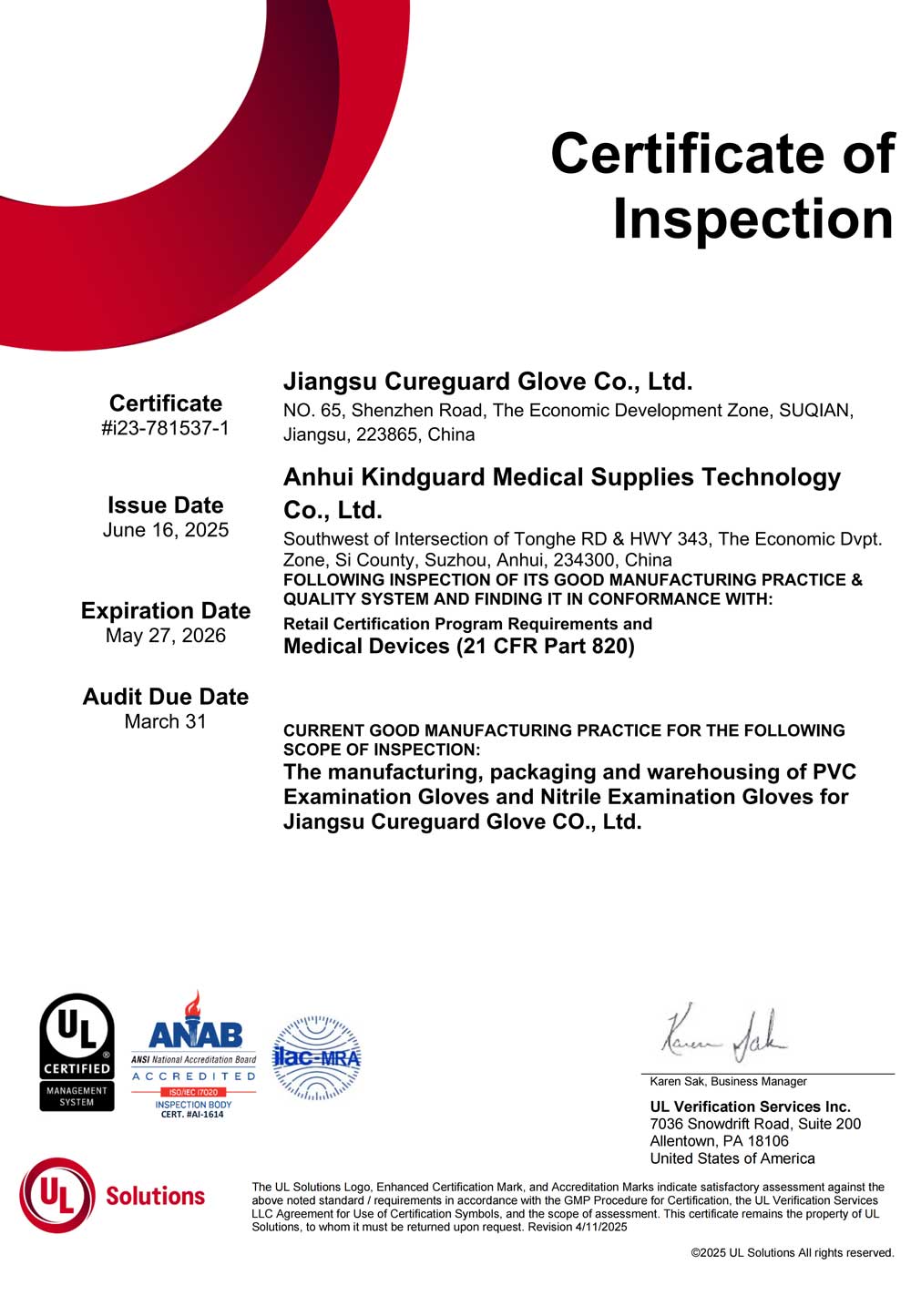
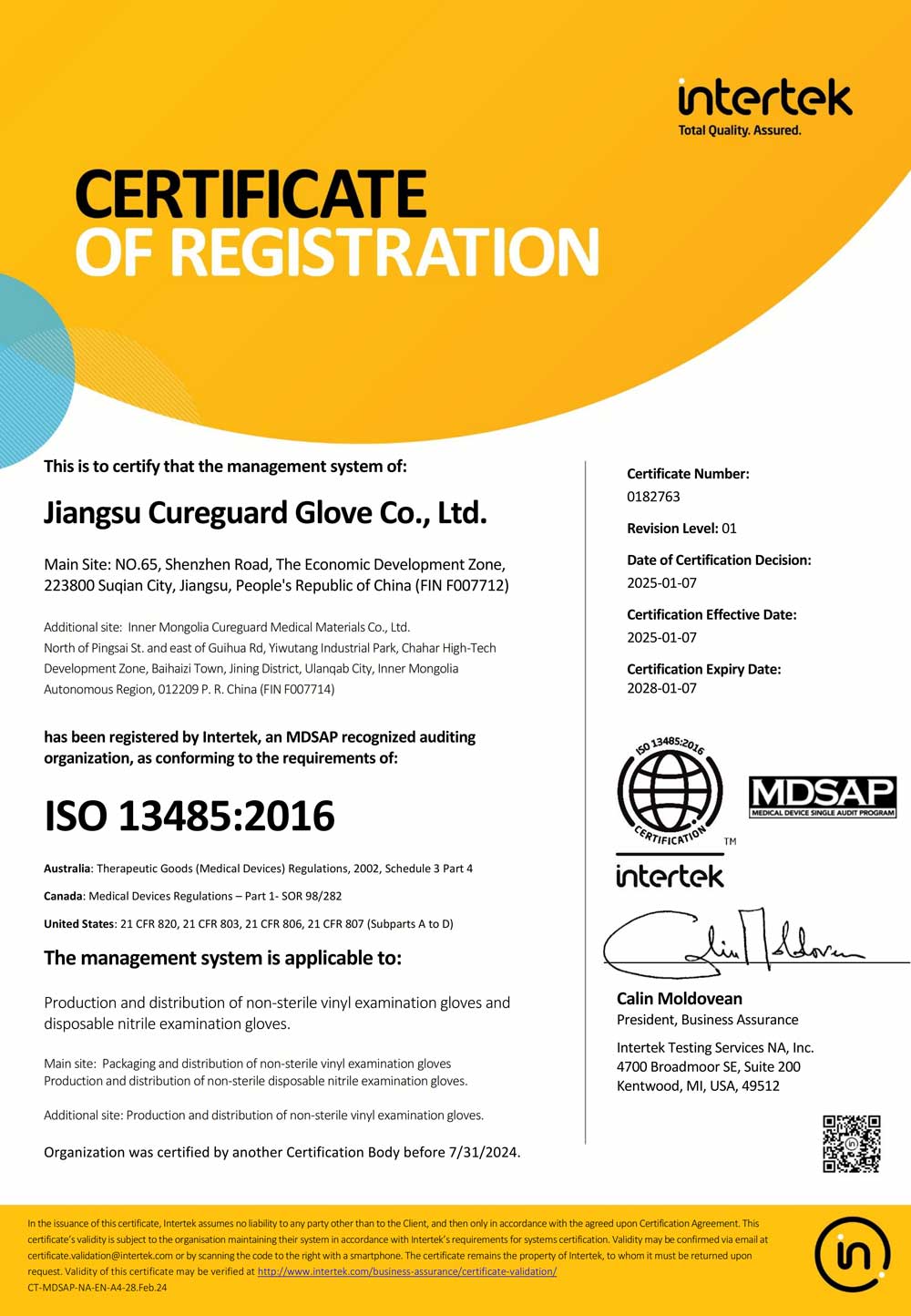
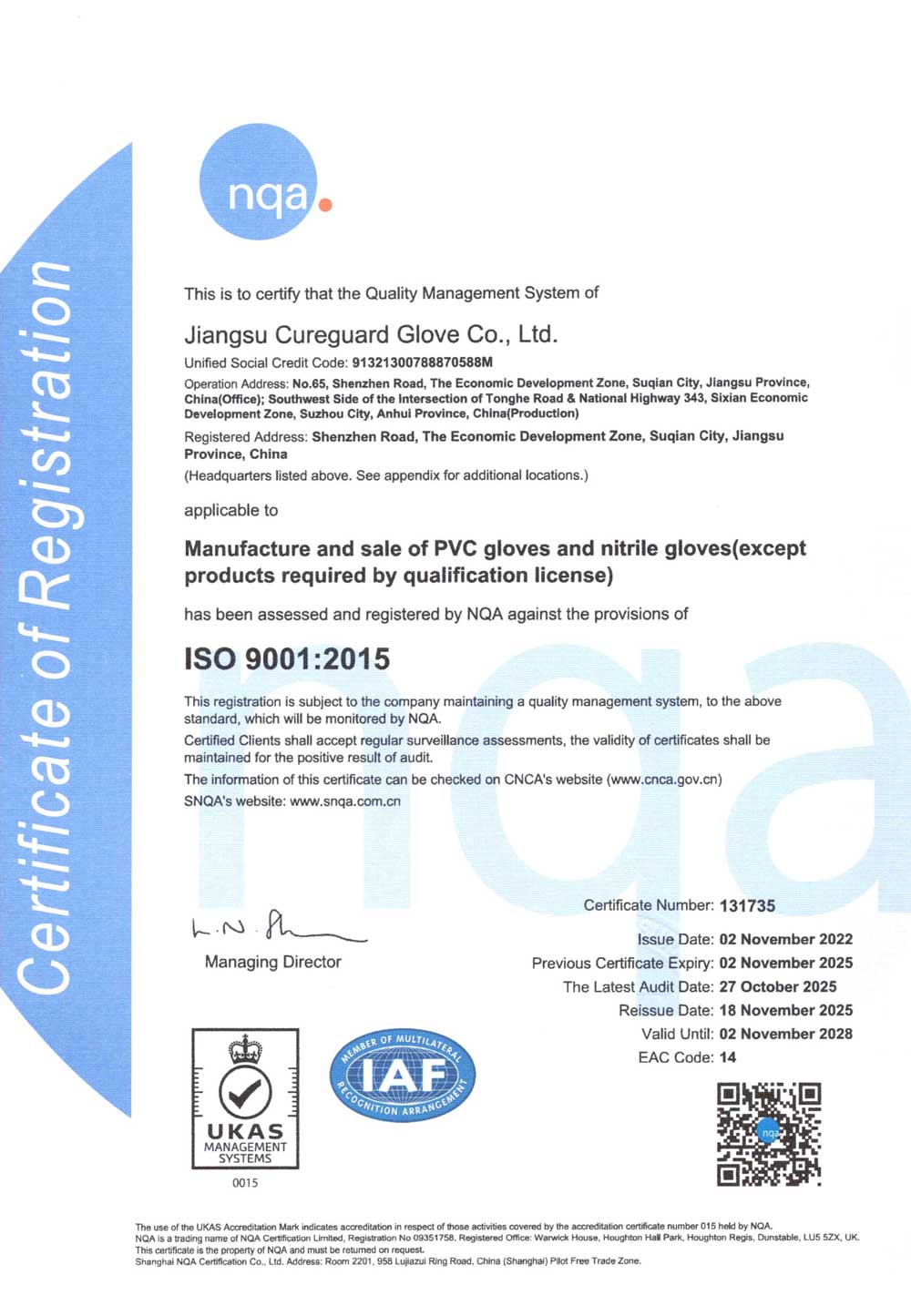
For Japanese importers and wholesalers, selecting an OEM factory is not just about price; it is about consistent quality, reliable logistics, and strict adherence to specifications. Cureguard Glove Group, with over two decades of manufacturing excellence, stands as a premier supplier to the Japanese market. With our 60 advanced production lines and an annual capacity of 10 billion pieces, we guarantee a stable supply chain that shields our partners from market volatility. Our comprehensive certifications, including ISO 13485, ISO 9001, and GMP, ensure that every shipment matches the precise standards expected by Japanese businesses.
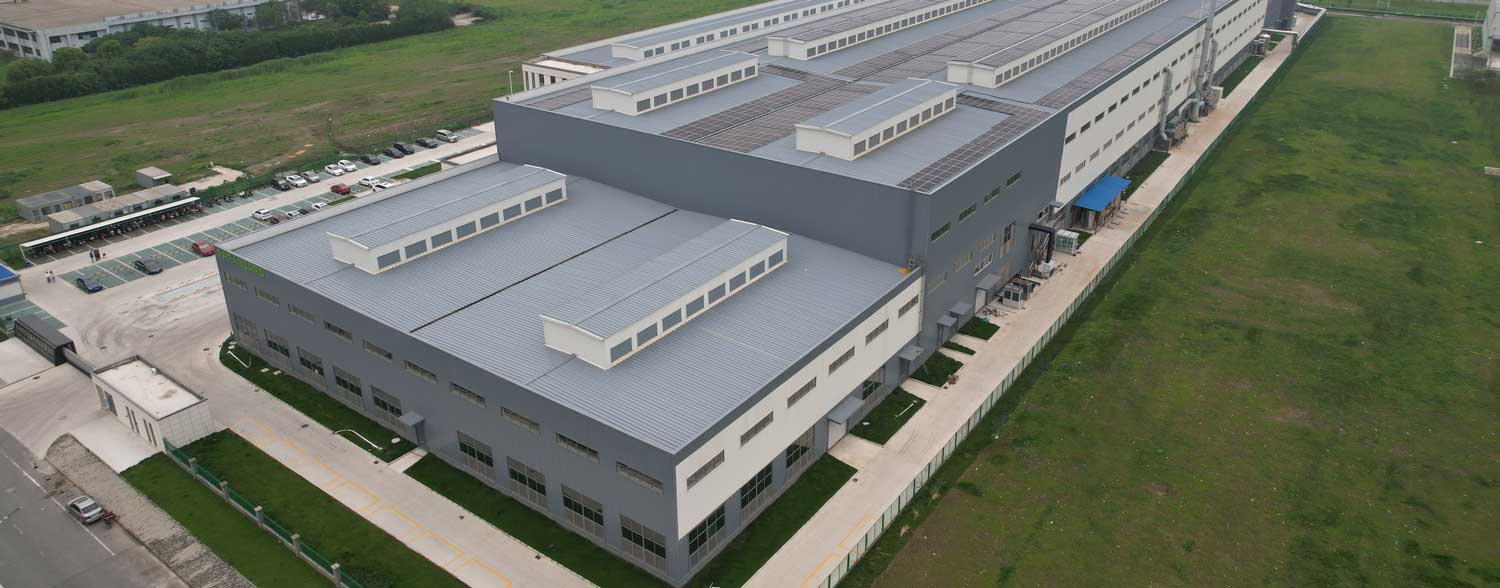
Established in 2006 and headquartered in Jiangsu Province, China, Cureguard Glove Group is specialized in glove manufacturing for over 20 years. We own over 60 production lines dedicated to disposable vinyl and nitrile gloves, and reusable vinyl gloves with an annual output exceeding 10 billion pieces. We supply various kinds of gloves to customers in more than 100 countries and regions worldwide.
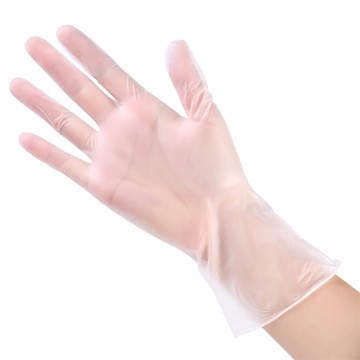
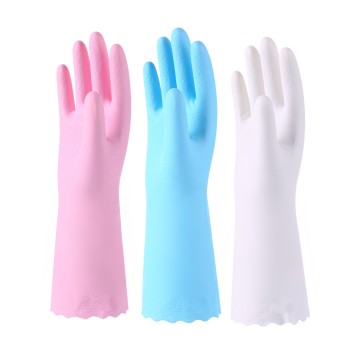
We roll out different series of products to address various routine scenario needs, such as medical examination, food contact, electronic industry, household use.


Our manufacturing processes are certified to meet the highest safety and quality standards required for global distribution, including Japan.
Designed to provide maximum safety and performance across a wide range of industrial and domestic sectors.
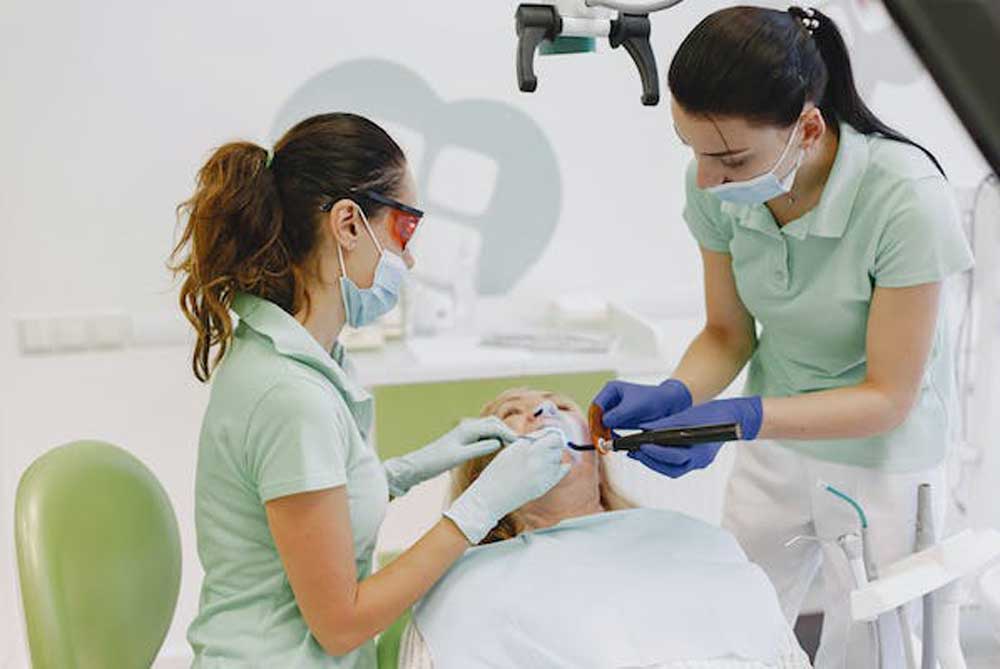
Our medical-grade gloves offer an exceptional biological barrier, ensuring maximum safety during patient examinations and clinical procedures. Manufactured under strict ISO 13485 standards, they deliver superior puncture resistance and elastic comfort for healthcare professionals across Japan.
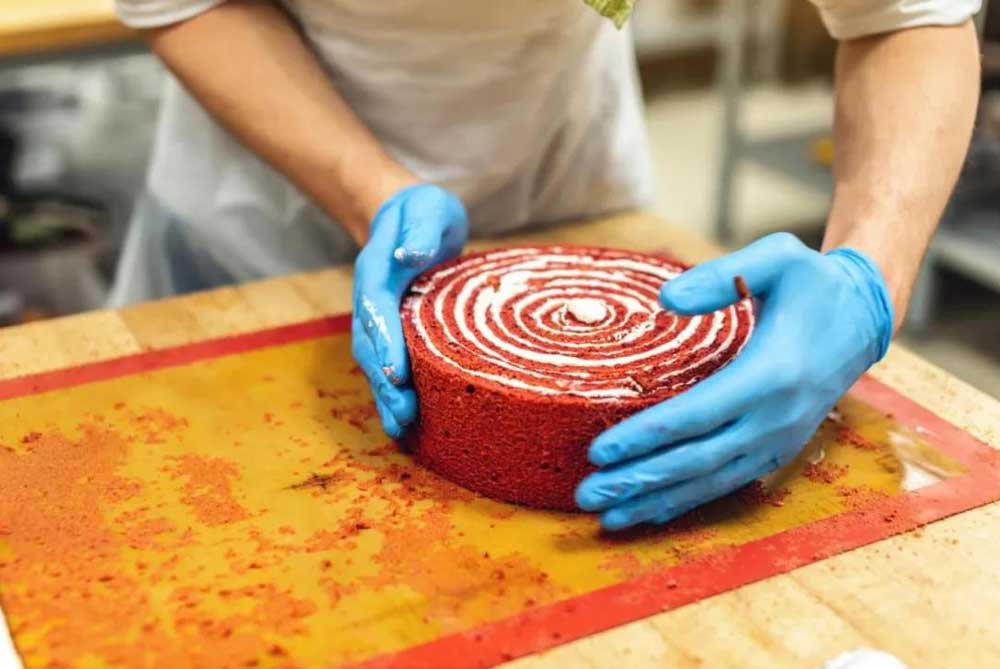
Certified food-safe under Japan's Food Sanitation Act, these gloves prevent cross-contamination in central kitchens, restaurants, and seafood processing plants. The textured surface ensures a secure grip on wet and oily food items, supporting compliance with HACCP protocols.
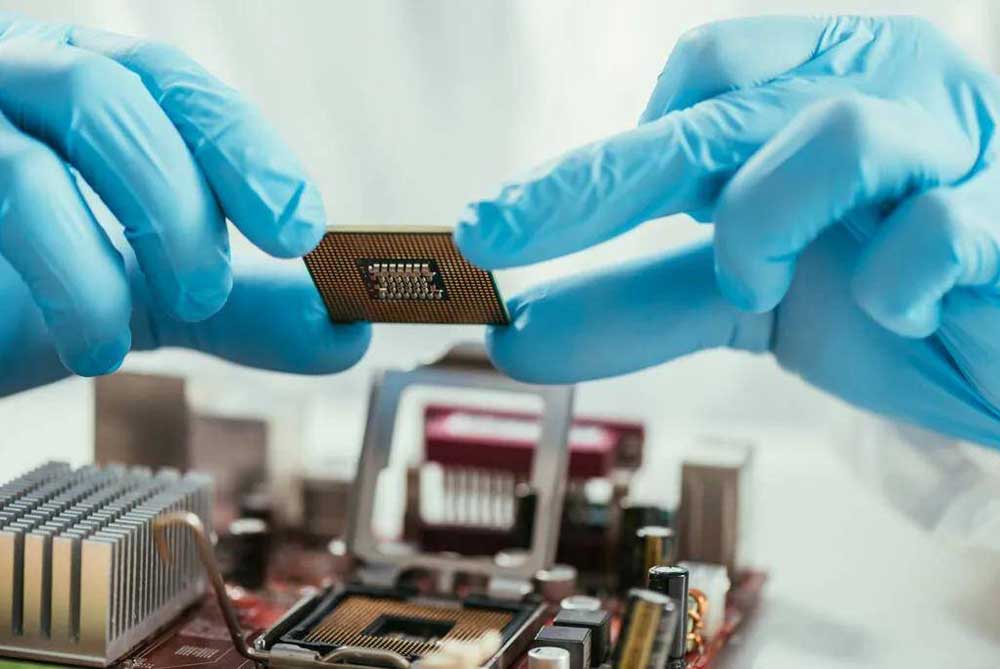
Featuring anti-static properties and high chemical resistance, our industrial gloves protect sensitive electronic components from electrostatic discharge and skin oils. Ideal for precision assembly, automotive manufacturing, and cleanroom operations in Japan's advanced tech sectors.
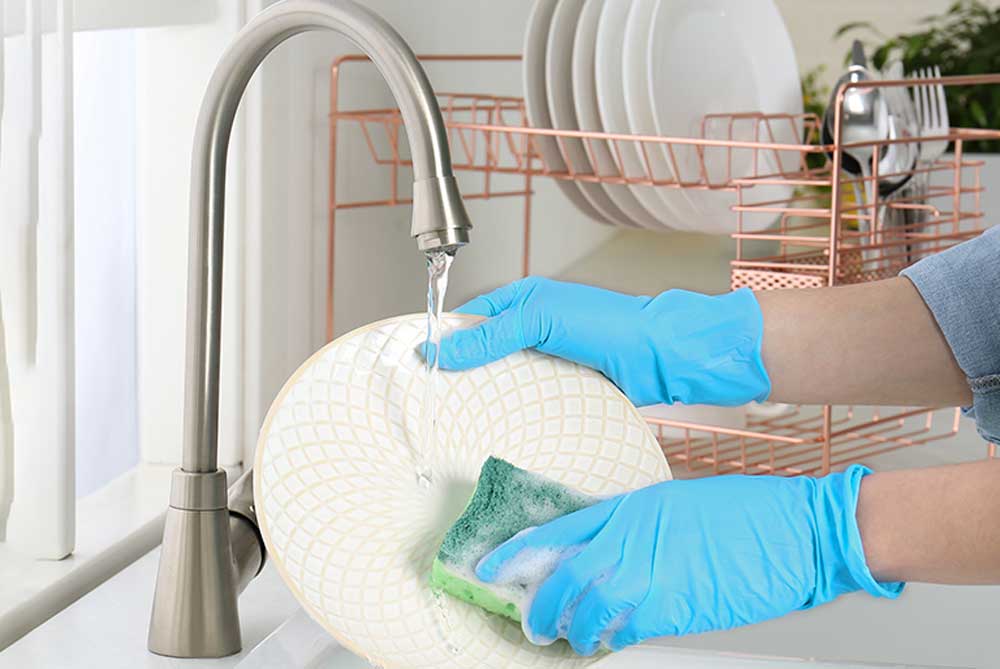
In home life, hygiene and convenience are equally important when cleaning the kitchen, handling ingredients, or caring for children or pets. Gloves for daily scenarios are made from safe materials and feature thoughtful details to serve as the first line of defense for your family's health.
Stay updated with our latest articles regarding glove safety, hygiene standards, and factory manufacturing developments.
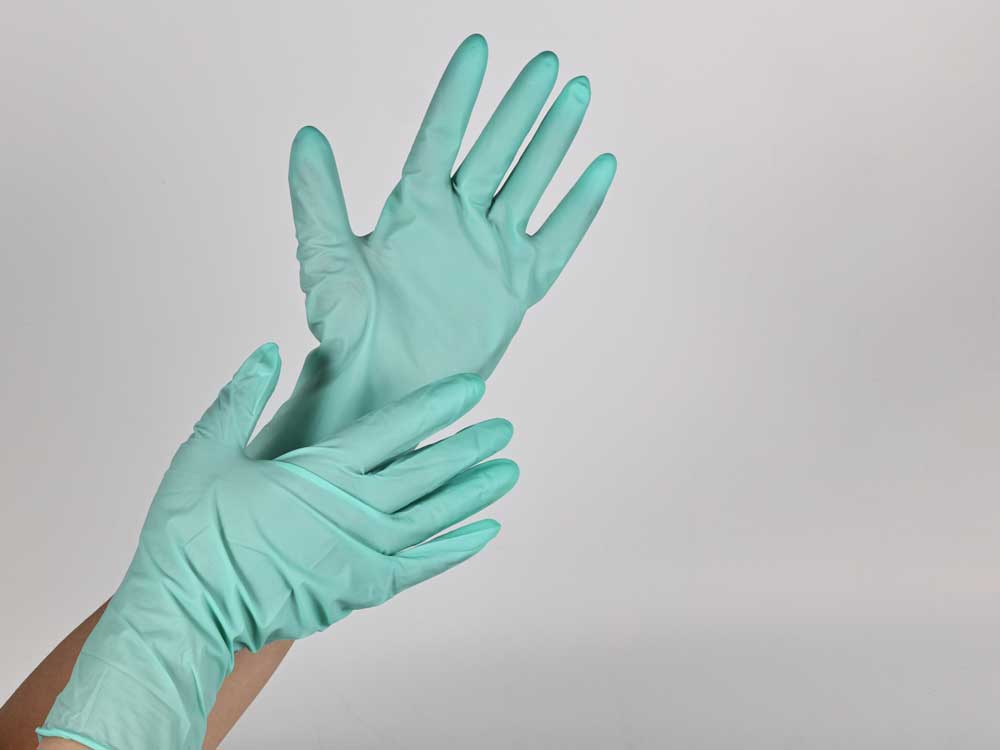
Medical staff wear nitrile gloves during surgery to prevent bacterial cross-infection. In the surgical environment, proper donning protocols...
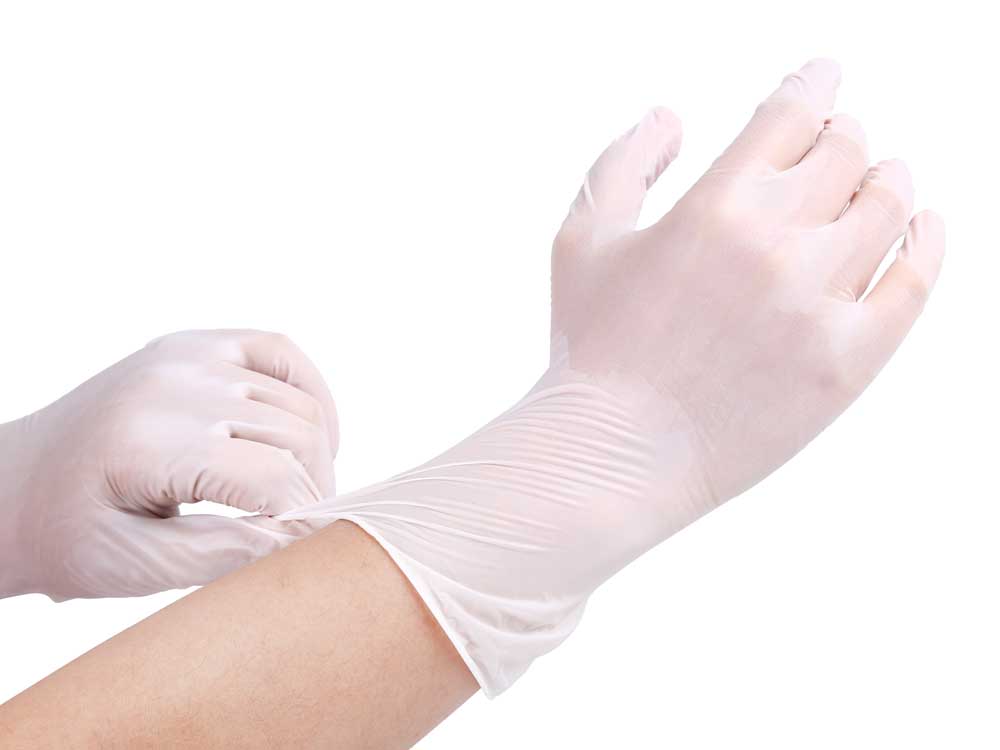
In the field of food processing, hand contact is one of the primary risk points for cross-contamination. Utilizing compliant disposable gloves...
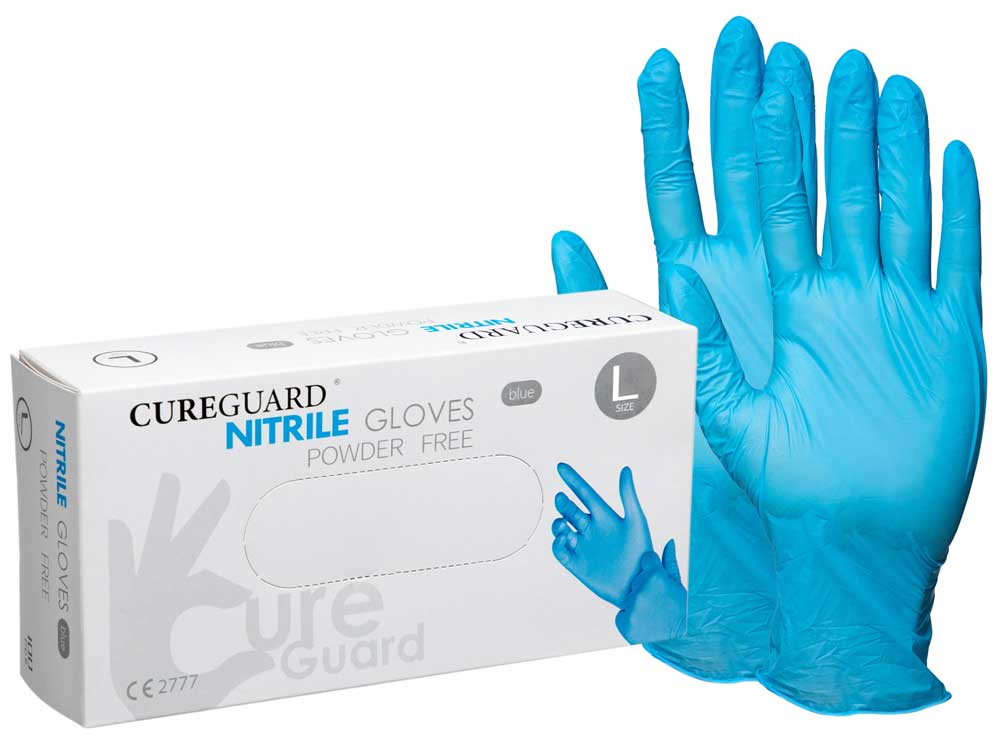
With the growing awareness of safety protection, the demand for protective equipment is showing a steady upward trend across industrial and commercial sectors...
Select from our diverse range of disposable and reusable gloves engineered for high-performance protection in various Japanese industries.