
Leave Your Message
-
Contact Phone
-
 Contact Email
Our top-tier protective gloves optimized specifically for the high-precision and sterile requirements of professional tattoo artists and piercers.
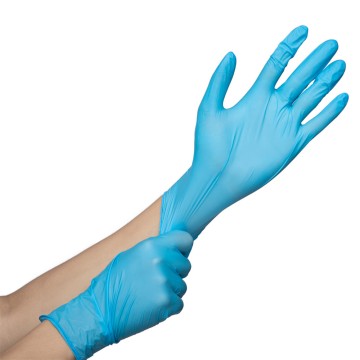
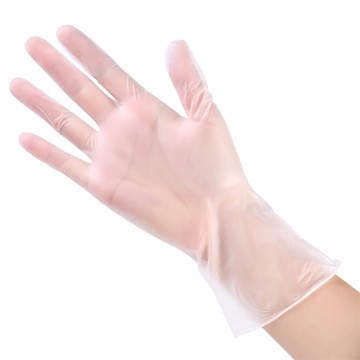
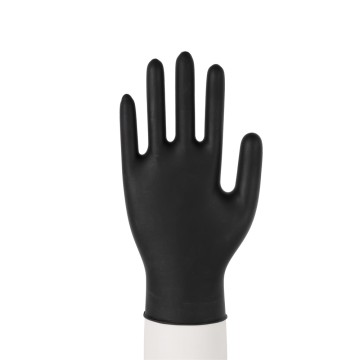
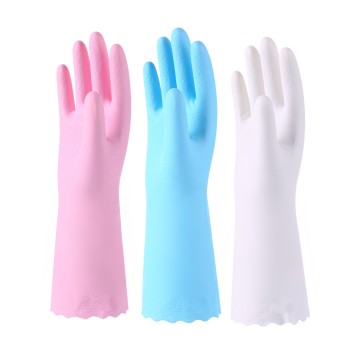
In the rapidly evolving world of professional tattooing and piercing, the boundary between cosmetic expression and clinical science has completely dissolved. Today's body art studios operate under strict medical-grade hygiene protocols. The central pillar of this defense system is the protective glove for professional tattoo and piercing art. These gloves are not merely barrier items; they are precision tools that directly influence the safety, comfort, and execution of the artist's work.
Every puncture of a tattoo needle or insertion of a piercing cannula breaches the skin's natural defense mechanism. This exposure transforms the procedure room into a high-risk zone for bloodborne pathogens, including Hepatitis B, Hepatitis C, HIV, and various bacterial skin infections. For the artist, the hands are the primary contact point with biological fluids, hazardous chemical inks, and sterilized metal instruments. Consequently, selecting the optimal protective glove is a critical decision that impacts both public health and professional reputation.
Standard household or industrial gloves fail to meet the rigorous demands of tattooing and piercing. The process requires a unique combination of extreme tactile sensitivity, mechanical durability, slip resistance under wet conditions (due to vaseline, inks, and green soap), and chemical inertness. Our advanced nitrile and vinyl formulations are specifically engineered to address these challenges, ensuring that the artist maintains control over their equipment while remaining completely isolated from biological hazards.
The global market for professional tattoo and piercing supplies has experienced a massive surge over the past decade. Once considered a subculture, body modification is now a mainstream global industry valued at billions of dollars. This cultural shift has brought intense regulatory scrutiny. Regulatory bodies such as the Occupational Safety and Health Administration (OSHA) in the United States and the European Chemicals Agency (ECHA) have implemented strict guidelines regarding personal protective equipment (PPE) in body art establishments.
This regulatory push has transformed the commercial landscape for glove manufacturers. There is a rapidly growing demand for specialized, high-performance disposable gloves that carry medical-grade certifications (such as FDA 510(k) clearance, EN 455, and ISO 13485). Tattoo studio owners are no longer buying cheap, unrated gloves from local supermarkets; they are sourcing certified protective gear from specialized manufacturers like the Cureguard Glove Group to protect their businesses from liability and ensure client safety.
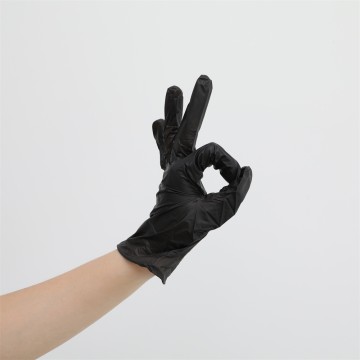
Furthermore, the visual culture of tattooing has influenced product design. The industry has seen a massive preference for black nitrile gloves. Beyond their superior chemical and puncture resistance, black gloves serve a psychological purpose: they mask blood and ink stains during long sessions. This minimizes the visual impact of the procedure, creating a cleaner, more professional environment that reduces client anxiety. The industrial production lines have adjusted accordingly, dedicating significant capacity to medical-grade black nitrile and high-clarity vinyl gloves designed for aesthetic and clinical environments.
To understand the necessity of specialized protective gloves, one must examine the specific phases of a body art procedure. Each step introduces distinct physical and biological challenges that the glove must overcome.
Before any ink is applied, the skin must be prepared. This involves shaving the area, disinfecting the skin with alcohol-based solutions, and applying a stencil transfer gel. During this phase, the glove must resist chemical degradation from alcohols and solvents. It must also provide enough dexterity to apply thin layers of transfer gel and position the stencil paper precisely without smudging. Vinyl examination gloves are highly effective during this prep stage, offering an economical yet reliable barrier.
During the actual tattooing, the glove is subjected to continuous mechanical stress. The artist holds a heavy, vibrating tattoo machine for hours. The glove must absorb a portion of these micro-vibrations to reduce hand fatigue while maintaining a secure grip on the machine's tube or grip. Ink splatters, blood, and excess ointment coat the glove's surface. A micro-textured nitrile glove is critical here; it prevents the machine from slipping, which could lead to permanent errors on the client's skin. The puncture resistance of nitrile is also put to the test, as the artist works in close proximity to rapidly moving needle configurations.
Body piercing is a game of millimeters. The piercer must manipulate extremely sharp, hollow needles, forceps, receiving tubes, and microscopic jewelry threads. Here, tactile sensitivity is paramount. A glove that is too thick or loose will cause the piercer to lose their fine motor control, increasing the risk of needle sticks or dropped jewelry. Ultra-thin, form-fitting nitrile gloves behave like a second skin, allowing the piercer to feel the anatomy of the tissue and securely tighten threaded or threadless jewelry components.
The risk does not end when the art is finished. The cleanup phase is when needle-stick injuries are most likely to occur. The artist must carefully dispose of single-use needles in sharps containers, wipe down the entire workstation with high-level chemical disinfectants, and clean reusable steel tubes. This phase requires heavy-duty protection. Long-cuff disposable nitrile gloves provide extended wrist protection against chemical splashes, while reusable, thickened vinyl gloves are employed for deep-cleaning operations and handling raw waste.
As the body art industry continues to professionalize, glove technology is evolving to meet new demands. Several key trends are shaping the future of protective gloves in this sector:
The disposable nature of tattooing supplies generates significant plastic waste. In response, manufacturers are developing eco-friendly nitrile gloves that biodegrade up to 90% faster in landfills compared to traditional nitrile. These green gloves maintain the exact same tensile strength, elasticity, and chemical resistance, allowing studios to reduce their ecological footprint without compromising safety.
Carpal Tunnel Syndrome and hand fatigue are occupational hazards for busy tattoo artists. Future glove designs focus on ergonomic shapes that mimic the natural resting position of the hand. By reducing the muscle tension required to keep the hand closed or gripping a machine, these gloves help prolong the artist's career and maintain precision during marathon tattooing sessions.
Frequent glove changes and constant exposure to soaps and sanitizers lead to contact dermatitis among many artists. The industry is shifting toward accelerator-free nitrile gloves. By eliminating chemical accelerators (like thiurams and carbamates) during the vulcanization process, manufacturers are creating hypoallergenic gloves that protect sensitive skin from irritation and allergies.
Explore our comprehensive range of protective gloves, manufactured to medical and industrial standards to serve all aspects of your studio's operations.
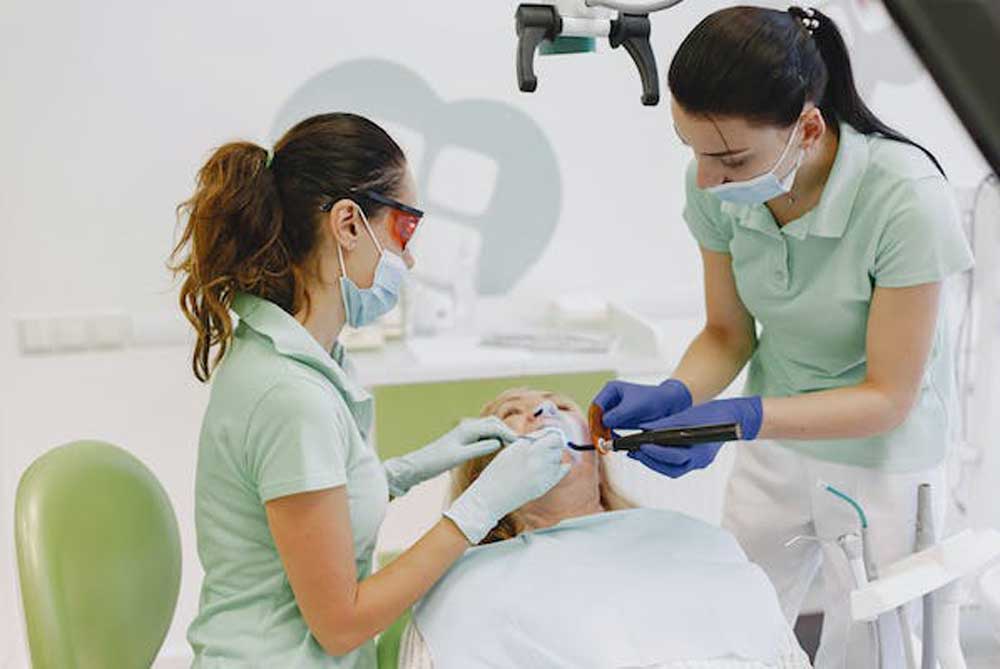
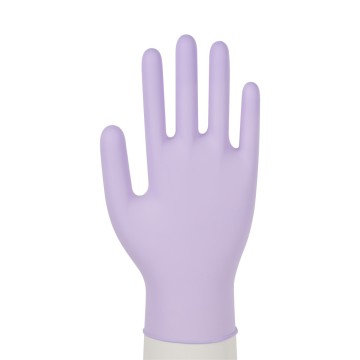
Our nitrile gloves offer the highest level of puncture resistance and chemical barrier protection in our lineup. Engineered with a latex-free formula, they provide a snug fit that conforms to the hand's natural shape, ensuring maximum tactile sensitivity for intricate line work and piercing needle control.
Equipped with micro-roughened fingertips, these gloves maintain an exceptional grip under wet and oily conditions, making them the gold standard for active tattooing procedures.
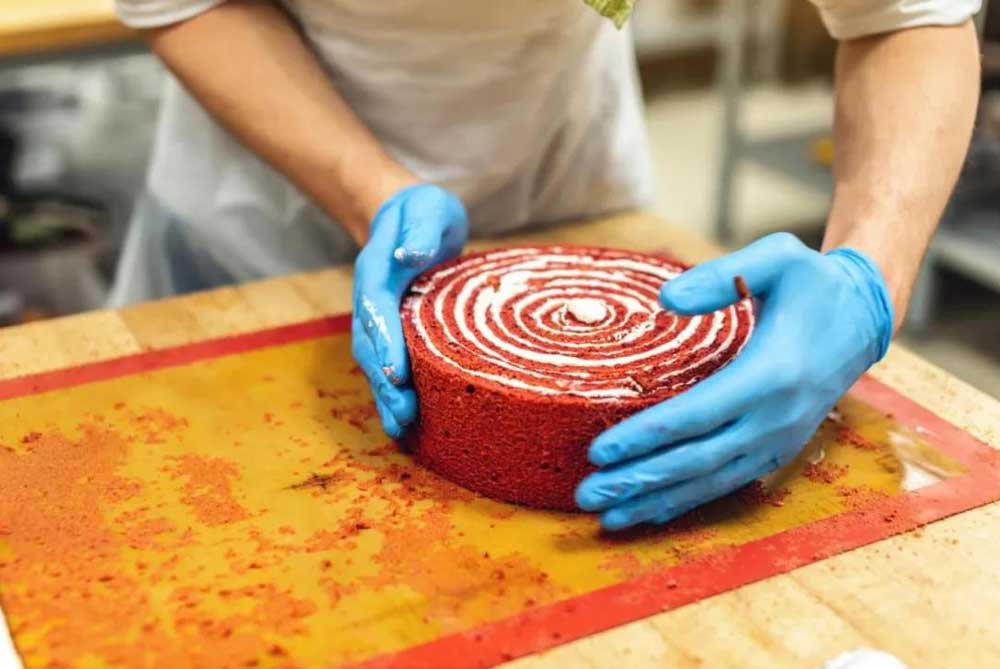
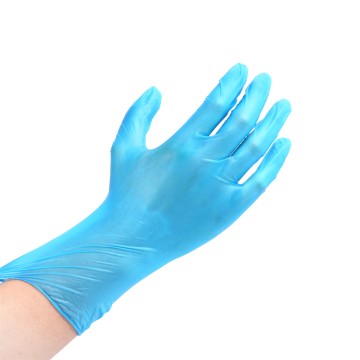
Perfect for pre-procedure skin preparation, stencil application, and non-invasive client handling. Our disposable vinyl gloves offer a smooth, comfortable fit that is easy to don and doff quickly.
They provide an excellent cost-effective alternative for tasks that do not require the extreme puncture resistance of nitrile, keeping your studio's operational costs balanced without compromising basic hygiene protocols.
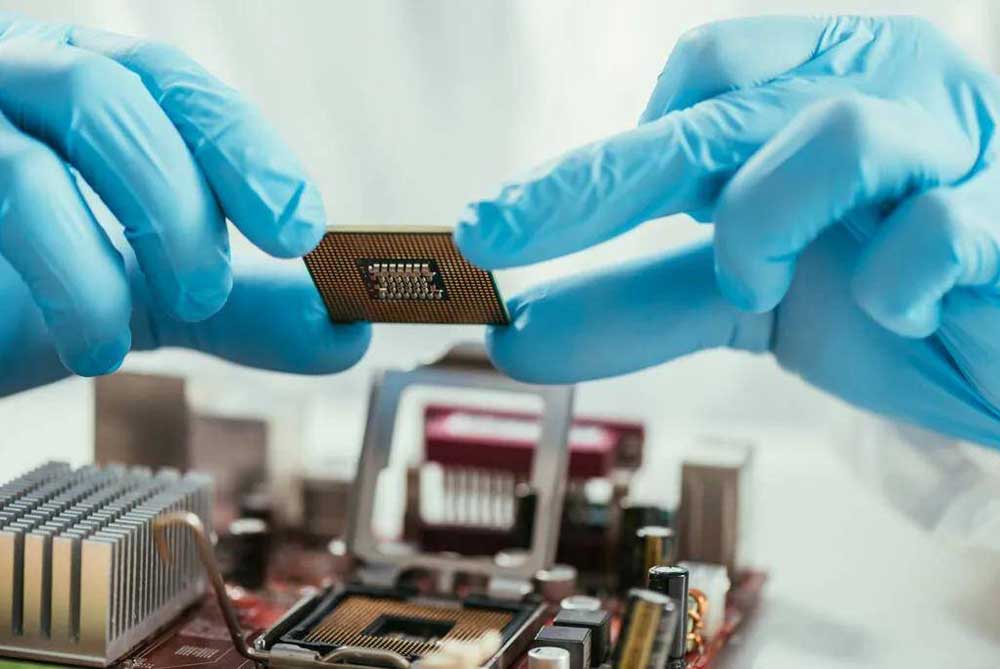
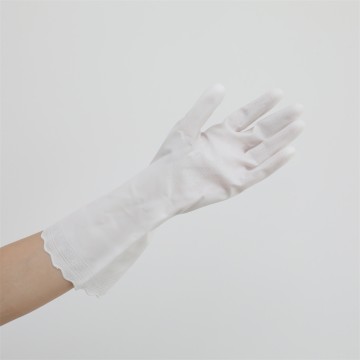
Designed specifically for the rigorous cleanup phase of the studio. These thickened, non-flocking or flock-lined vinyl gloves protect hands from harsh sterilizing chemicals, autoclaving prep work, and waste disposal.
Their durable construction ensures long-lasting performance through multiple cleaning cycles, protecting your skin from contact dermatitis caused by strong disinfectants.
Established in 2006 and headquartered in Jiangsu Province, China, Cureguard Glove Group has been specialized in glove manufacturing for over 20 years. We have dedicated our research and manufacturing capabilities to producing high-grade barrier protection solutions for medical, industrial, and artistic professions worldwide.
We own over 60 production lines dedicated to disposable vinyl and nitrile gloves, and reusable vinyl gloves with an annual output exceeding 10 billion pieces. We supply various kinds of gloves to customers in more than 100 countries and regions worldwide, ensuring consistent quality and supply chain reliability.



Our manufacturing facilities and products comply with the highest international standards, ensuring safe usage in medical and professional body art procedures.
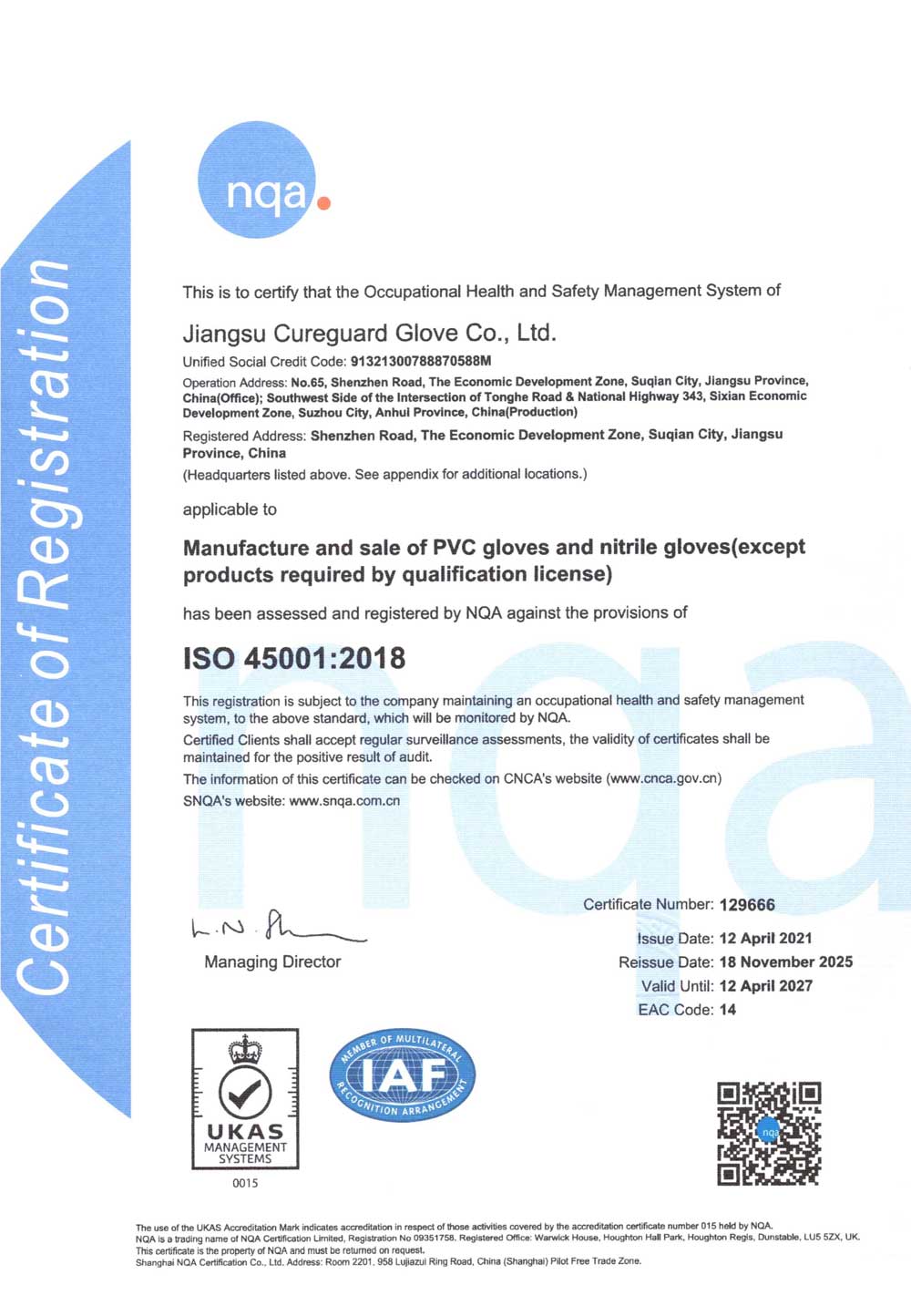
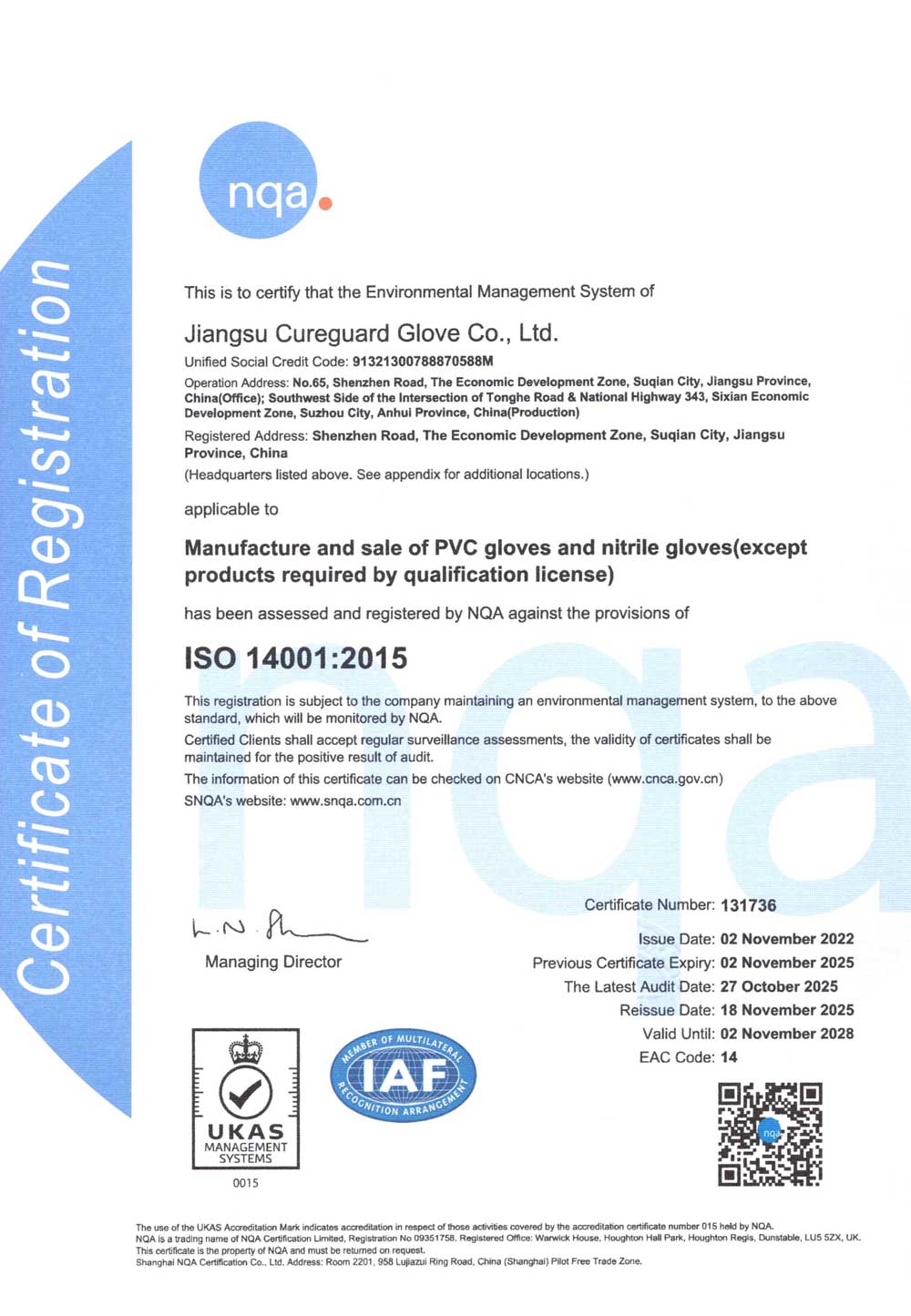
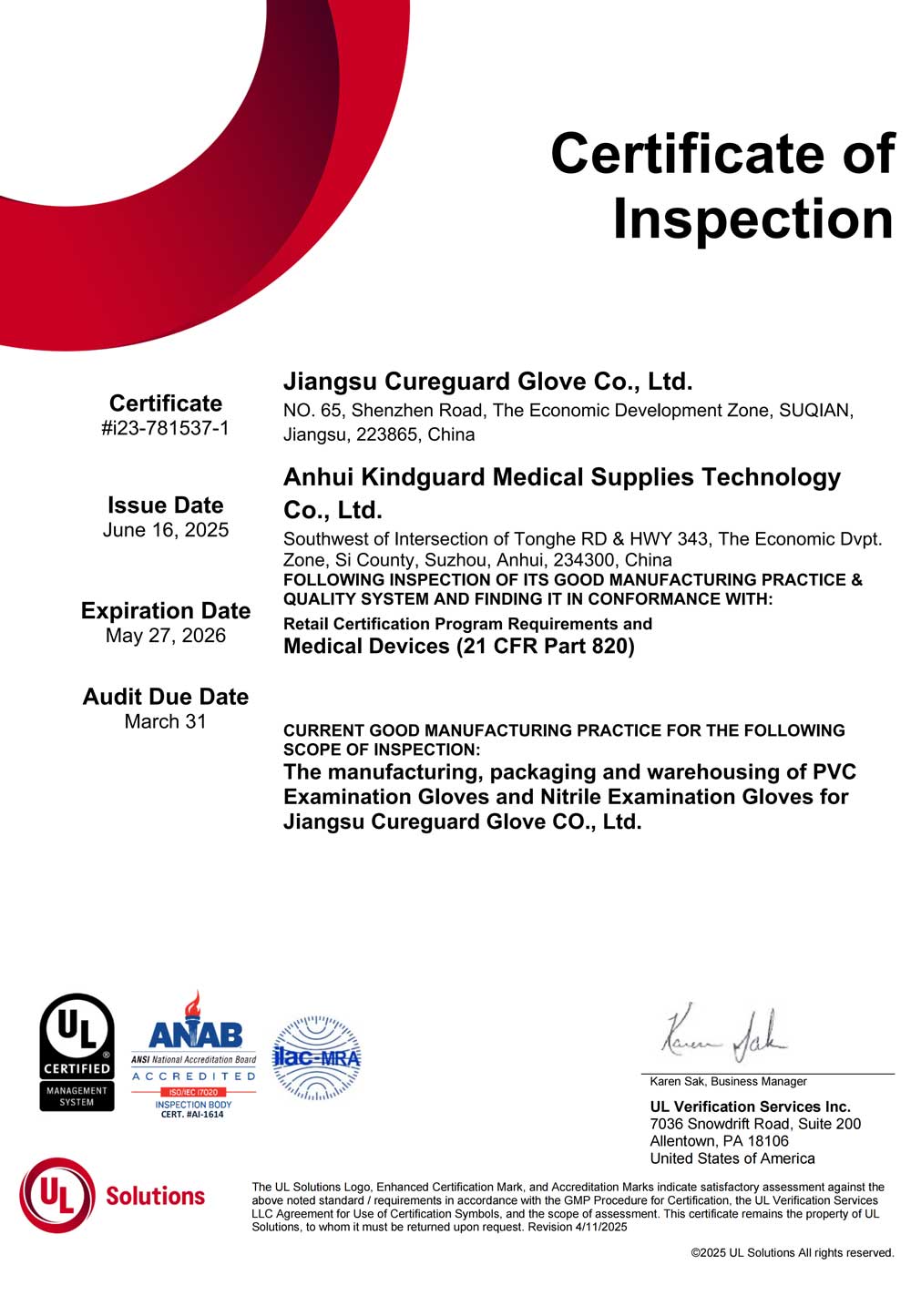
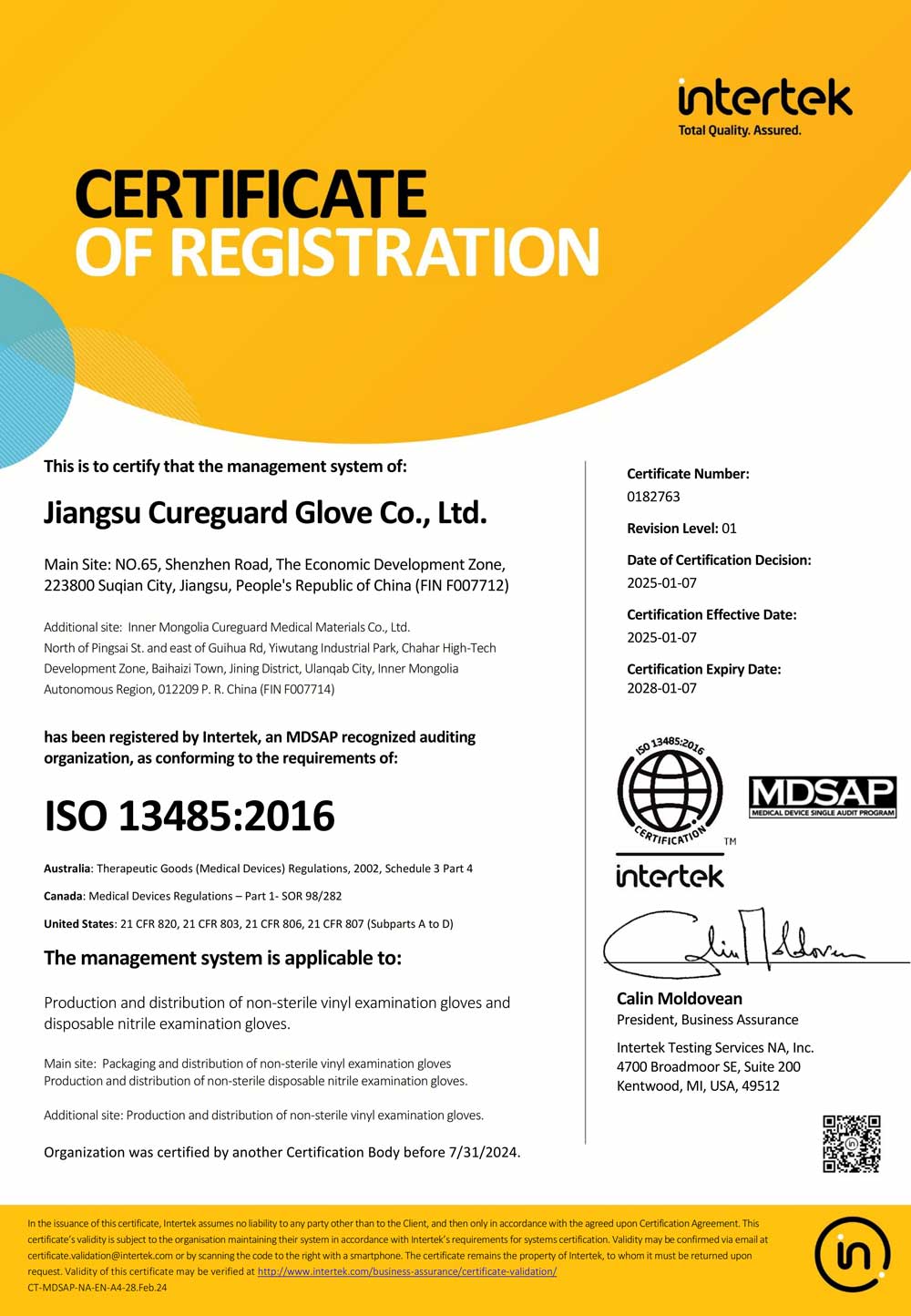
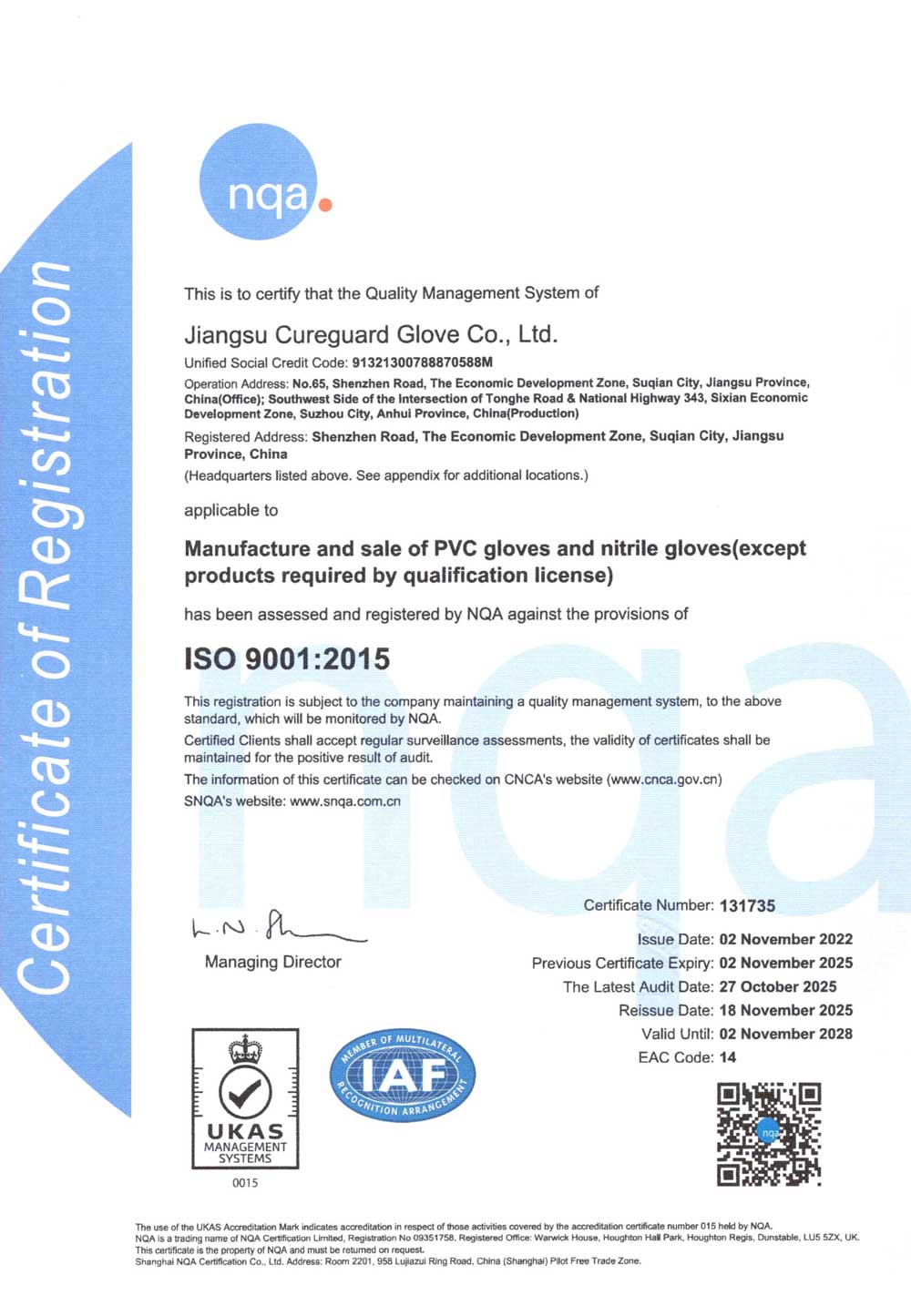
From sterile medical clinics and tattoo studios to food handling and daily household tasks, our gloves provide the ultimate barrier protection.
 Household Use
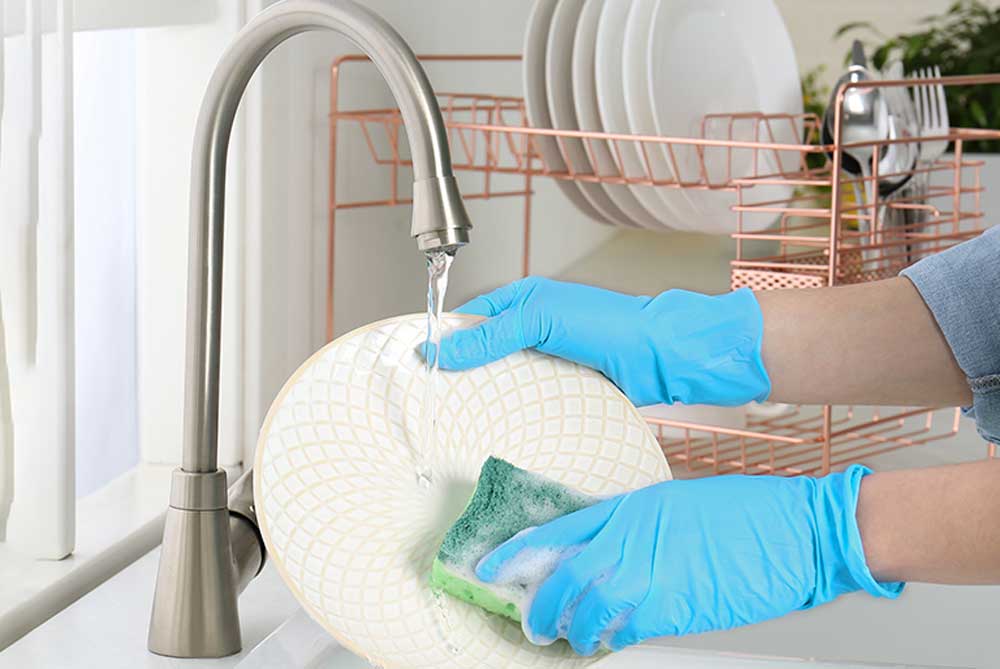
In home life, hygiene and convenience are equally important when cleaning the kitchen, handling ingredients, or caring for children or pets. Gloves for daily scenarios, are made from safe materials and feature thoughtful details to serve as the first line of defense for your family's health.
Our household series ensures that daily chores are performed with the same level of hand protection and comfort that professionals expect in medical and industrial environments.
Learn More ApplicationsStay updated with the latest hygiene protocols, material advancements, and safety standards in the protective glove industry.
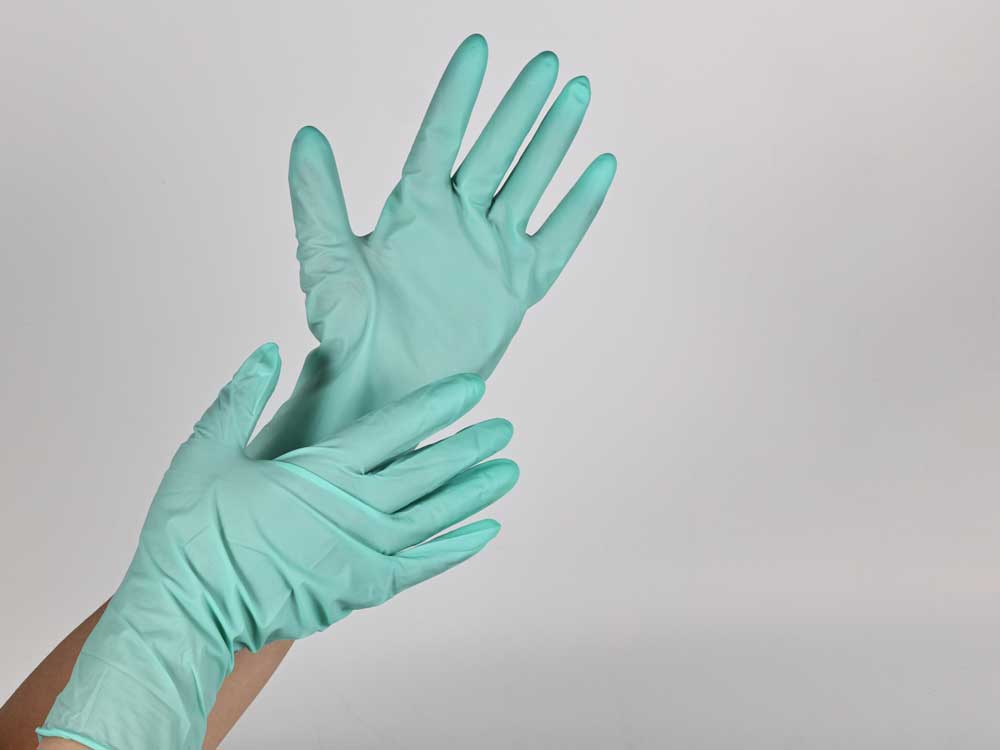
Medical staff wear nitrile gloves during surgery to prevent bacterial cross-infection. Discover the standard surgical donning procedures...
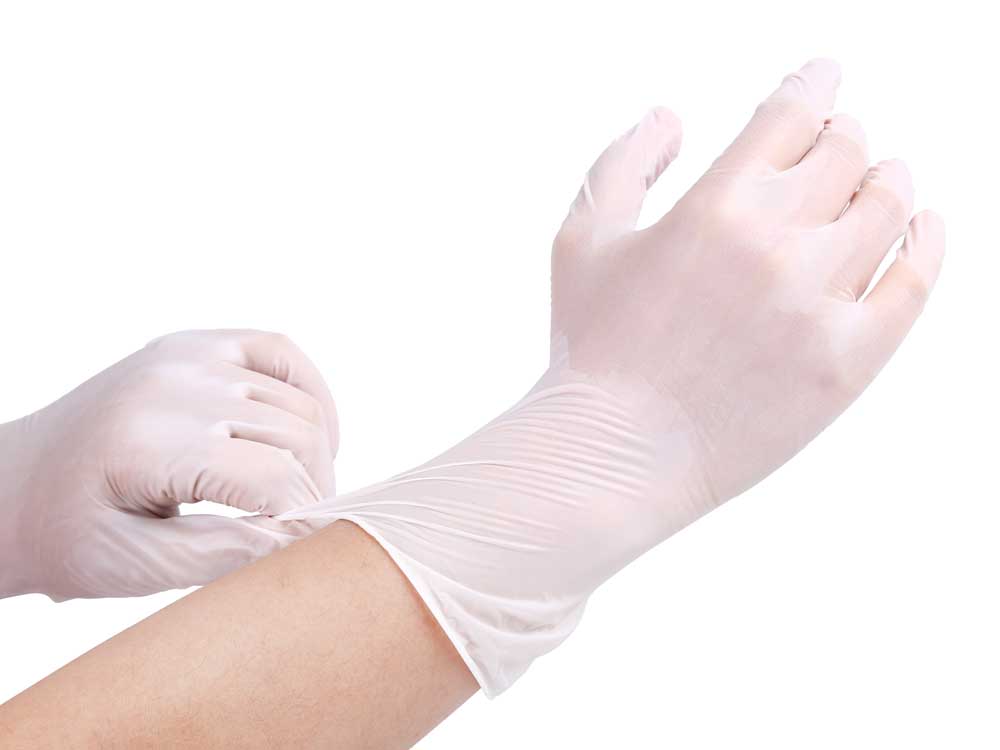
In the field of food processing and surface contact, hand protection is one of the primary risk points for cross-contamination...
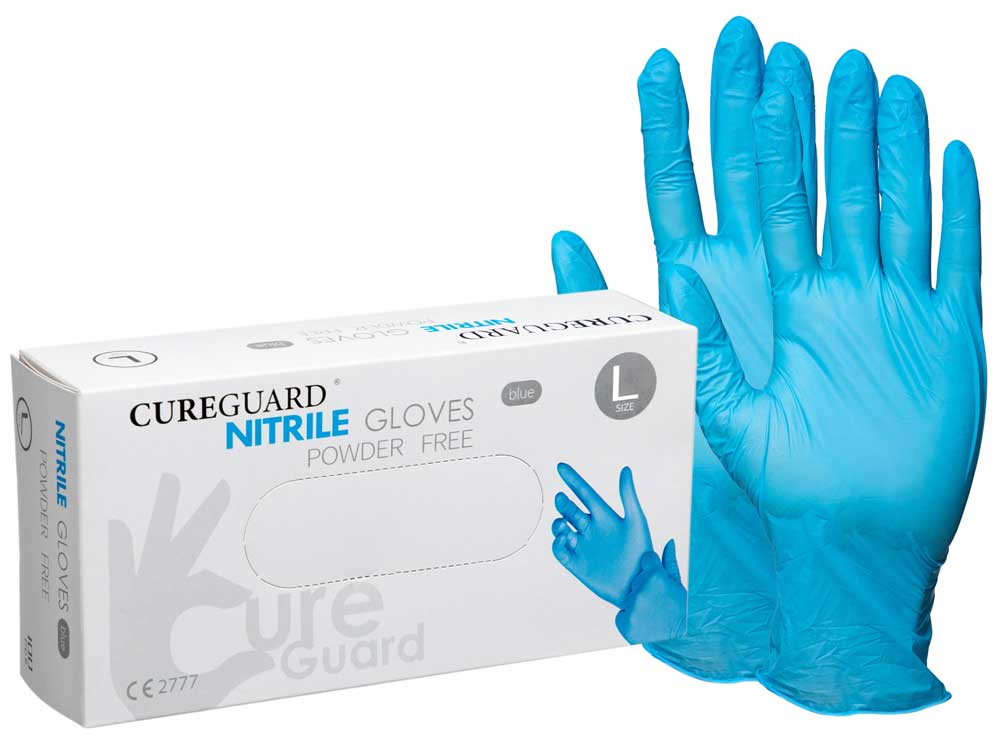
With the growing awareness of safety protection globally, the demand for high-grade protective equipment is showing continuous growth...
Protect your artists, protect your clients, and elevate your studio's hygiene reputation. Get in touch with us today for bulk wholesale pricing and custom orders.
Contact Our Expert TeamOur complete catalog of disposable and reusable gloves designed for medical, industrial, food, and body art applications.