
Leave Your Message
-
Contact Phone
-
 Contact Email
In the rapidly advancing landscape of high-tech manufacturing, precision electronics assembly demands an uncompromising level of contamination control and component protection. As electronic components shrink to microscopic scales—with semiconductor nodes now reaching sub-3nm dimensions—the margin for error has virtually vanished. A single microscopic dust particle, a trace amount of skin oil, or a minor electrostatic discharge (ESD) event can permanently damage a wafer, short-circuit an integrated circuit, or compromise the long-term reliability of aerospace, medical, or consumer electronics. In this highly controlled environment, synthetic gloves serve as the critical interface between human operators and sensitive microelectronic devices.
Modern electronics assembly lines require gloves that provide static dissipation (typically 106 to 109 ohms surface resistivity), zero particulate shedding, low extractable ion levels, and high resistance to solvents like Isopropyl Alcohol (IPA) used in cleaning processes.
The global electronics manufacturing services (EMS) market is undergoing exponential growth, driven by the expansion of 5G infrastructure, artificial intelligence (AI) hardware, electric vehicles (EVs), and IoT devices. As a result, the demand for specialized cleanroom-grade synthetic gloves has reached unprecedented heights. Historically, natural rubber latex was the industry standard due to its unmatched elasticity and comfort. However, the electronics industry has aggressively transitioned to synthetic alternatives. This shift is not only motivated by the prevention of latex allergies among workers but is primarily driven by the superior chemical purity, ESD control, and physical consistency that synthetic polymers offer.
Today, cleanroom glove manufacturing is a highly specialized sector. Leading suppliers, such as Cureguard Glove Group, invest heavily in automated, continuous-dipping production lines and advanced post-processing cleanrooms (Class 10 and Class 100 environments) to wash, test, and pack gloves. Industrial buyers look beyond mere unit cost, focusing heavily on total cost of ownership (TCO). High-quality synthetic gloves minimize line failures, improve manufacturing yields, and reduce downtime caused by ESD failures or particulate contamination.
When selecting synthetic gloves for precision electronics assembly, the choice typically falls between Nitrile and Vinyl (PVC). Both materials possess unique properties suitable for different stages of the manufacturing pipeline:
In electronics assembly, two invisible threats constantly jeopardize product quality: ESD and ionic contamination.
Electrostatic Discharge: When an operator moves, friction creates static electricity. If the operator touches a sensitive component while wearing standard insulating gloves, a sudden discharge of static electricity can melt microscopic semiconductor junctions. This is known as ESD damage. ESD-safe synthetic gloves are engineered with conductive or static-dissipative properties. They allow static charges to bleed off safely to the ground through ESD wrist straps or flooring, maintaining a surface resistivity of 106 to 109 ohms per square.
Ionic Contamination: Human sweat contains high levels of sodium, potassium, and chloride ions. If these ions transfer to a printed circuit board (PCB) or semiconductor wafer, they can cause galvanic corrosion under humid conditions, leading to latent circuit failures months after the product has been sold. High-purity synthetic gloves undergo extensive chlorine washing and deionized water rinsing cycles during production to strip away these trace contaminants, ensuring they do not transfer to the electronic components.
Precision electronics assembly involves handling incredibly small parts, such as 0201-sized surface-mount devices (SMDs) measuring just 0.6mm x 0.3mm. Operators must be able to feel the parts through their gloves to position them accurately. Therefore, glove thickness and tactile sensitivity are critical design parameters.
Modern synthetic gloves for electronics are engineered to be ultra-thin (typically between 3 to 4 mils at the palm) while retaining high tensile strength to prevent tearing. Textured fingertips are commonly incorporated to improve grip on polished silicon wafers, glass substrates, and metallic components. Ergonomic design is also vital; gloves must fit snugly without restricting blood flow or causing hand fatigue over a 12-hour shift. Synthetic formulations that soften slightly in response to body heat conform to the hand's natural contours, minimizing hand fatigue and boosting productivity.
The application of synthetic gloves spans various stages of the electronics supply chain, each with distinct cleanliness and protection requirements:
As the electronics industry aligns with global environmental, social, and governance (ESG) goals, the demand for sustainable synthetic gloves is surging. Manufacturers are developing biodegradable nitrile formulations that break down in landfills within months rather than decades, without compromising cleanroom performance or chemical purity.
Additionally, the rise of smart manufacturing and automation is changing the role of human operators. While robots handle high-speed repetitive tasks, humans are increasingly focused on maintenance, calibration, troubleshooting, and low-volume high-mix assembly. This shifts the requirement toward heavy-duty yet cleanroom-compatible synthetic gloves that offer mechanical protection against machinery edges while maintaining strict contamination control.
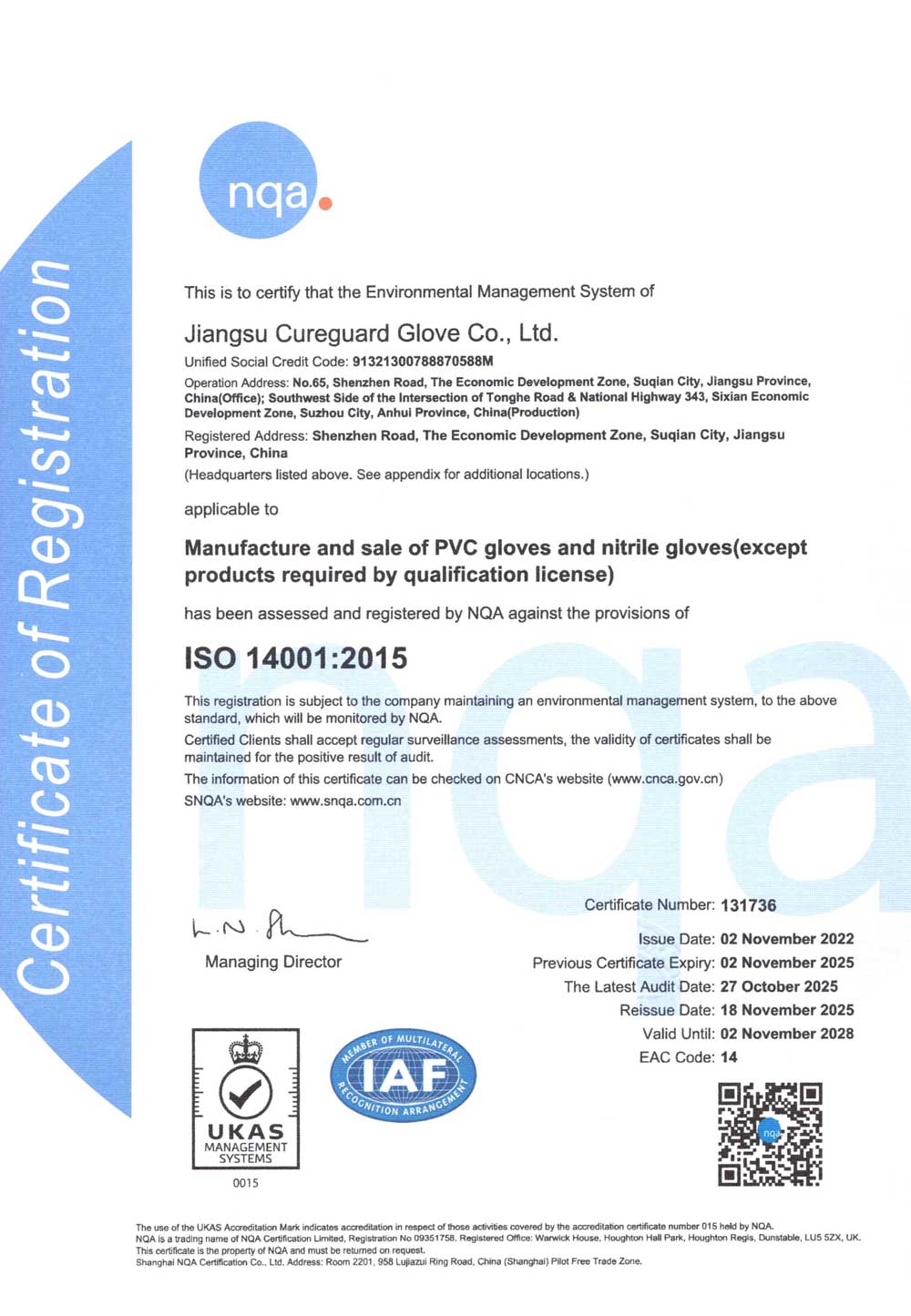
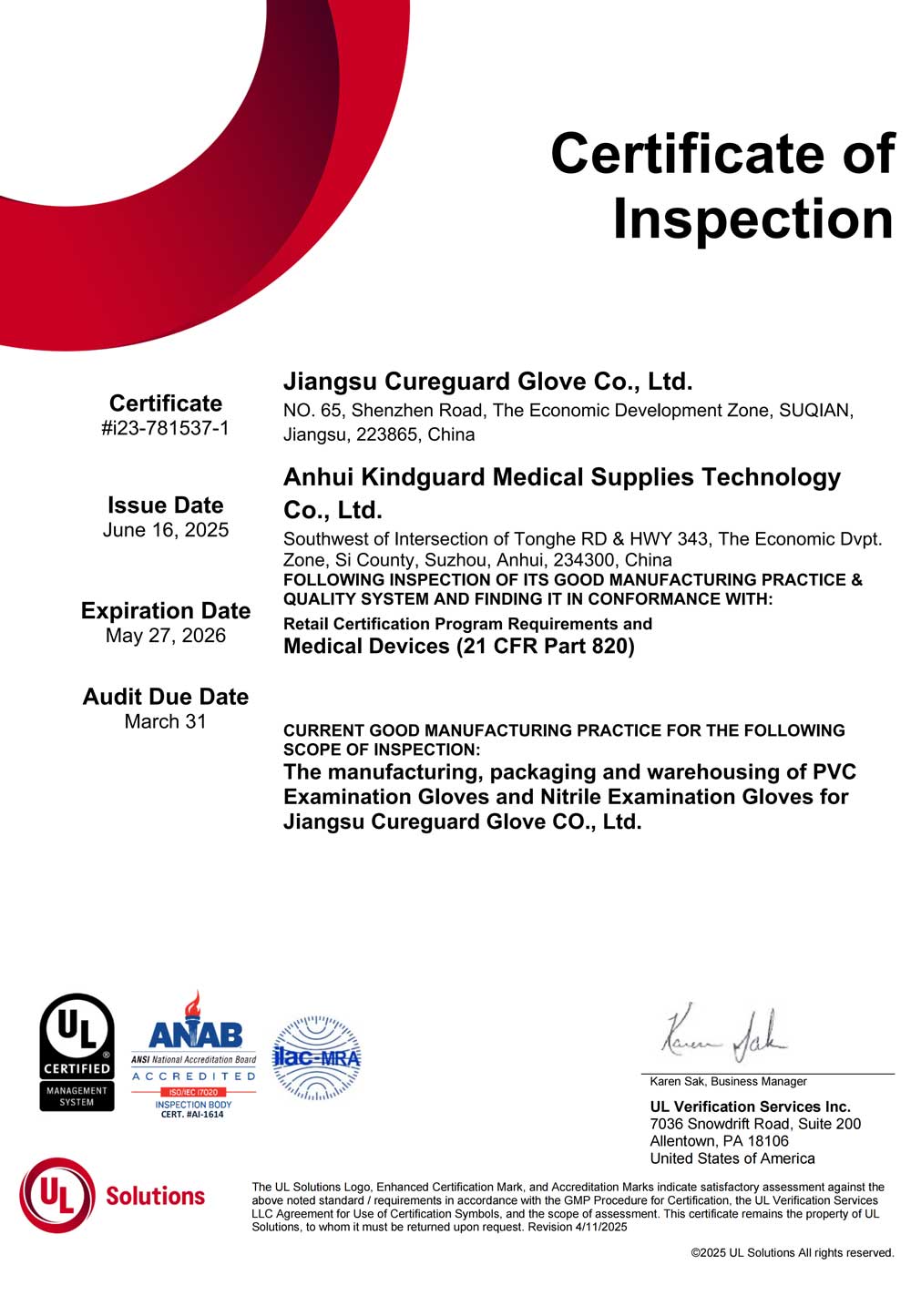
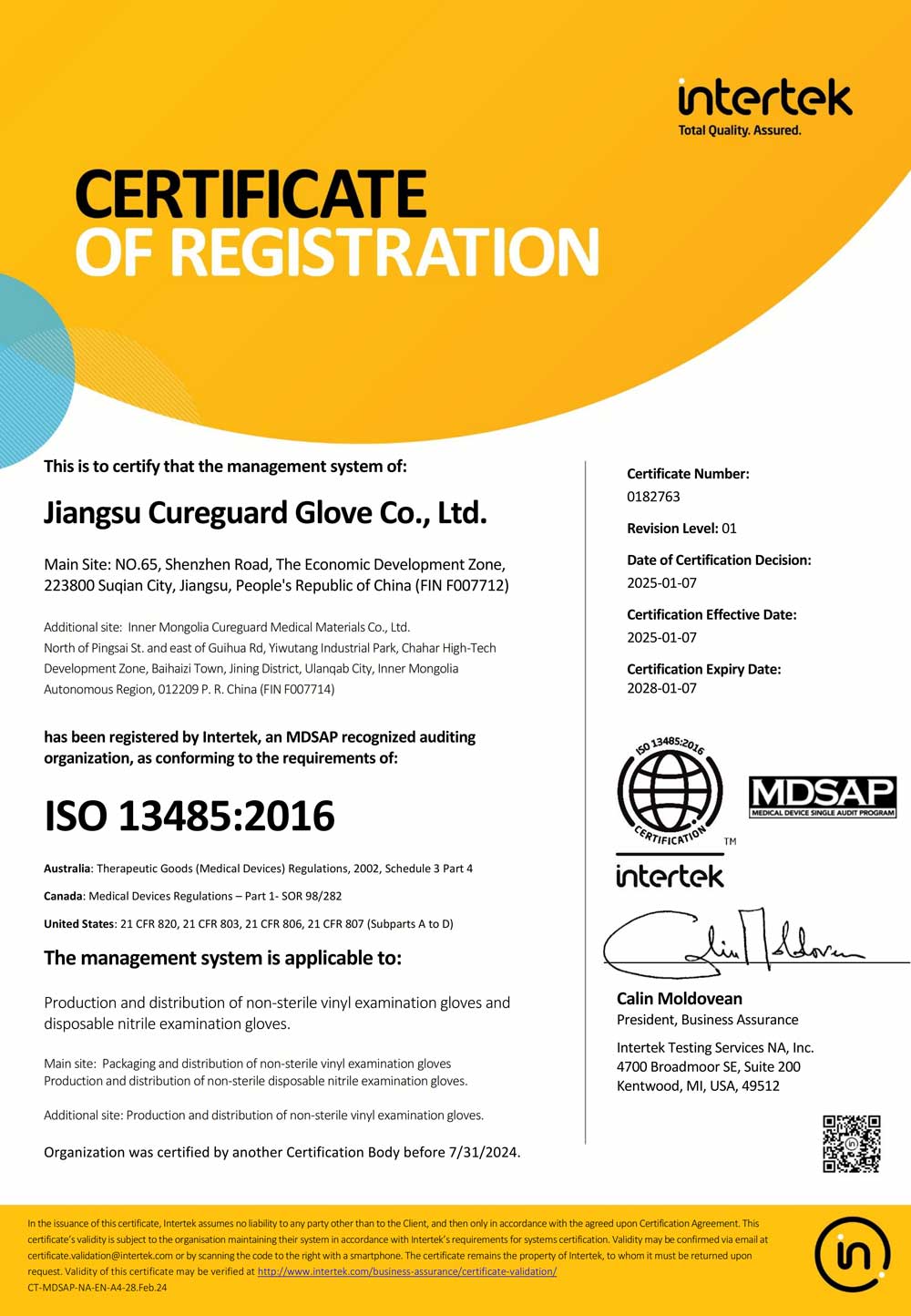
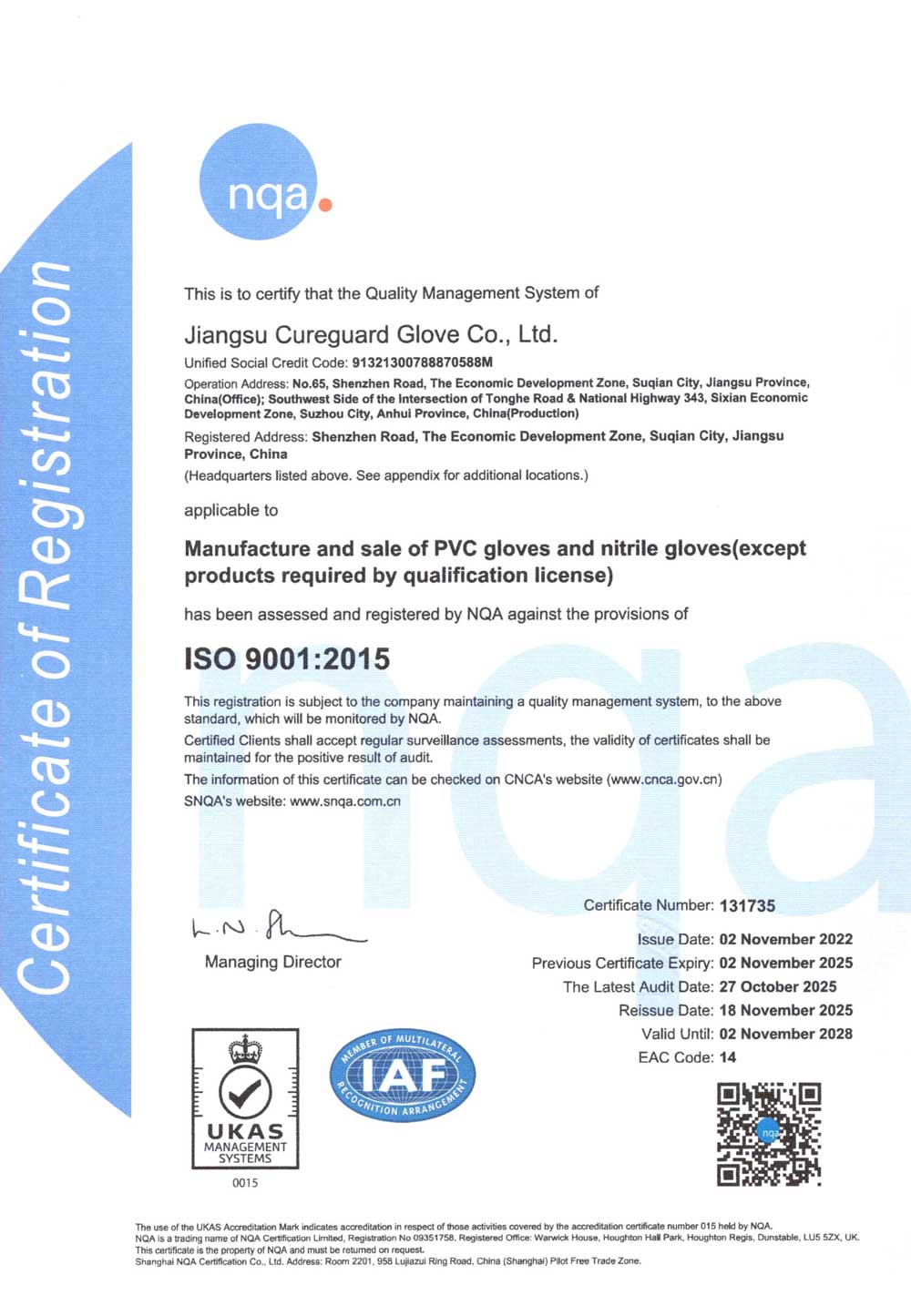
Established in 2006 and headquartered in Jiangsu Province, China, Cureguard Glove Group has been specialized in glove manufacturing for over 20 years. We own over 60 production lines dedicated to disposable vinyl and nitrile gloves, and reusable vinyl gloves with an annual output exceeding 10 billion pieces. We supply various kinds of gloves to customers in more than 100 countries and regions worldwide.
We roll out different series of products to address various routine scenario needs, such as medical examination, food contact, electronic industry, and household use. Our state-of-the-art facilities ensure that every glove meets the stringent quality standards required for precision microelectronics and high-tech manufacturing.
Click View More About Us


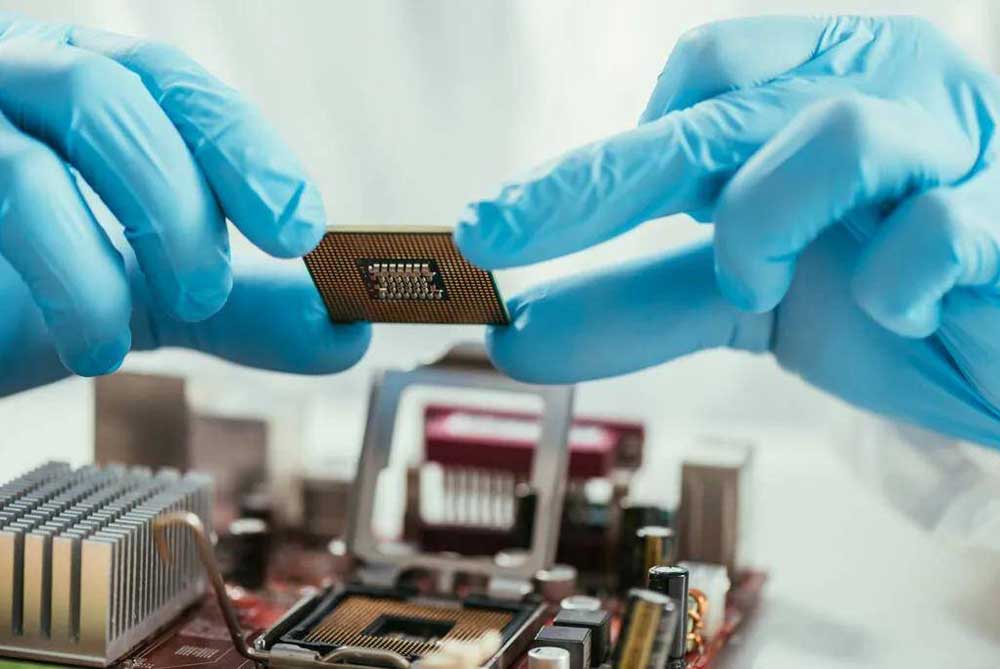
In microelectronics, semiconductor fabrication, and high-precision machinery assembly, preventing contamination is paramount. Our synthetic gloves offer advanced antistatic properties, low outgassing, and chemical resistance to ensure your manufacturing yields remain consistently high.
Learn More Applications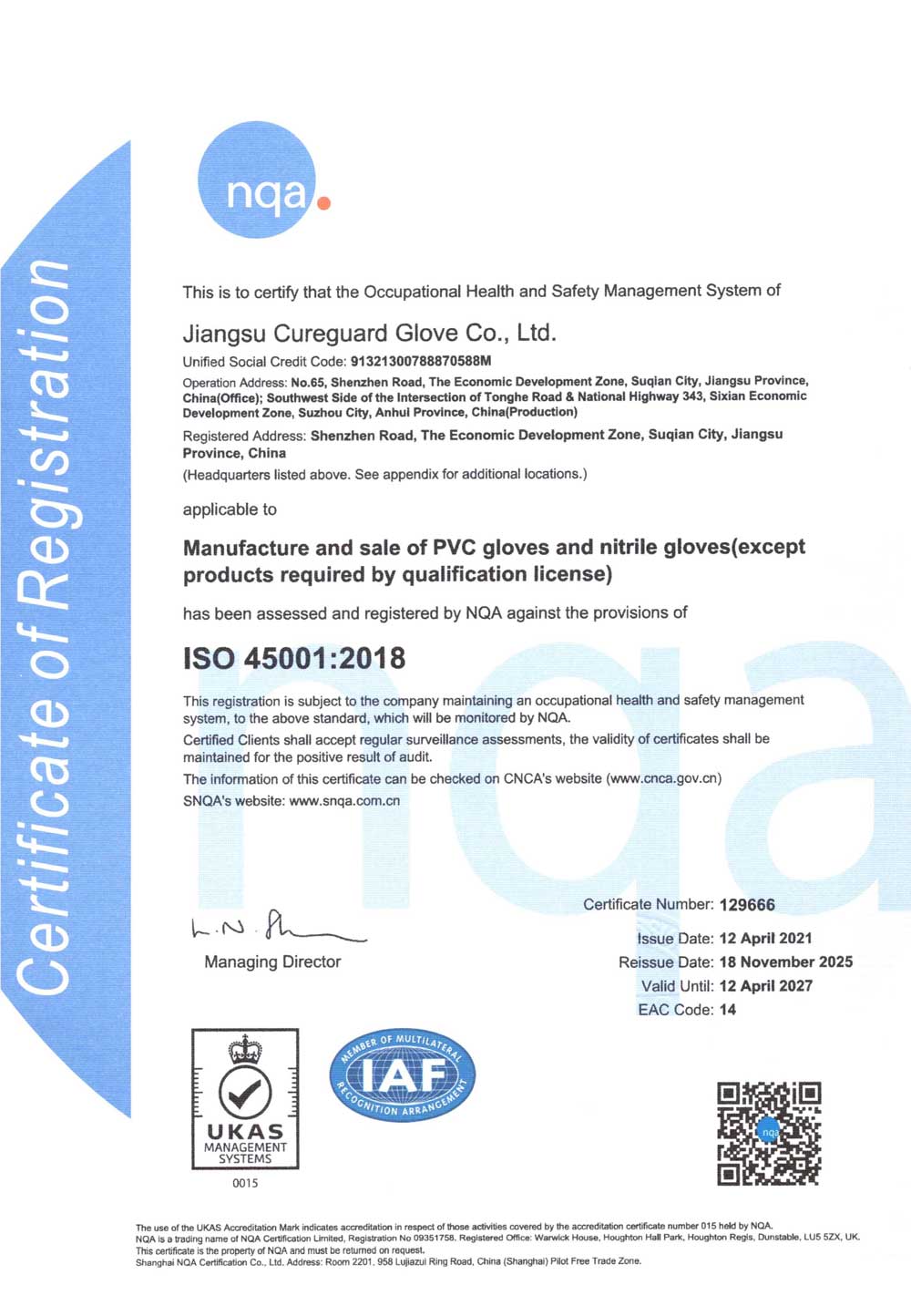
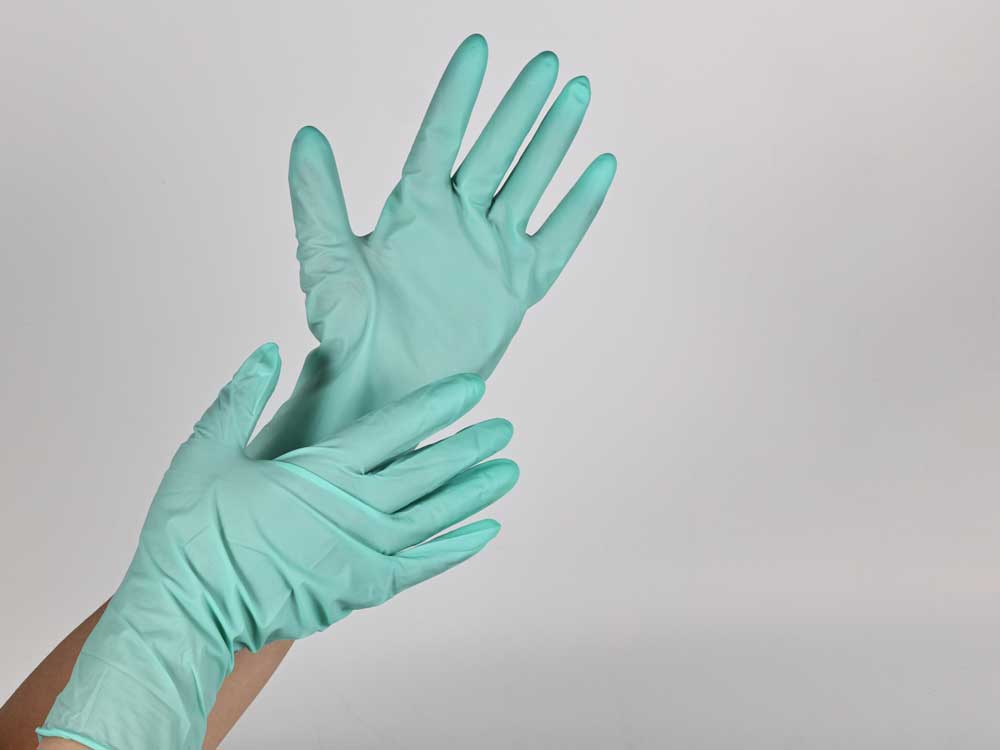
Discover the proper aseptic techniques for putting on nitrile gloves to ensure maximum protection and prevent cross-contamination in surgical and cleanroom environments.
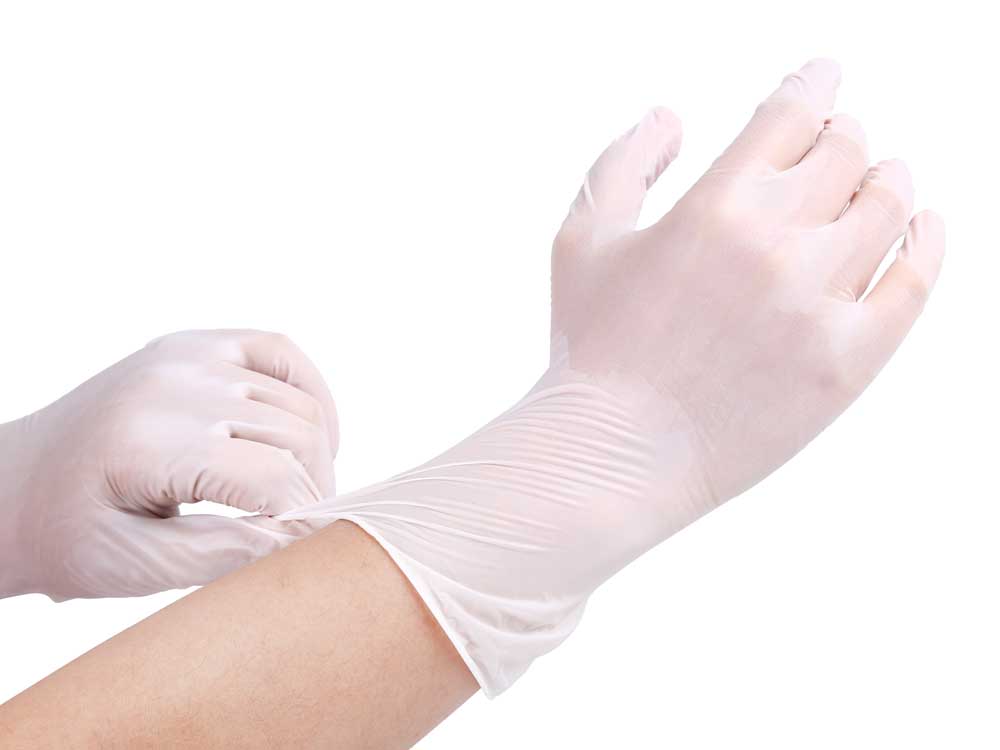
Hand contact is a major risk point for contamination. Learn how food-grade vinyl gloves provide a secure barrier to maintain product safety and compliance.
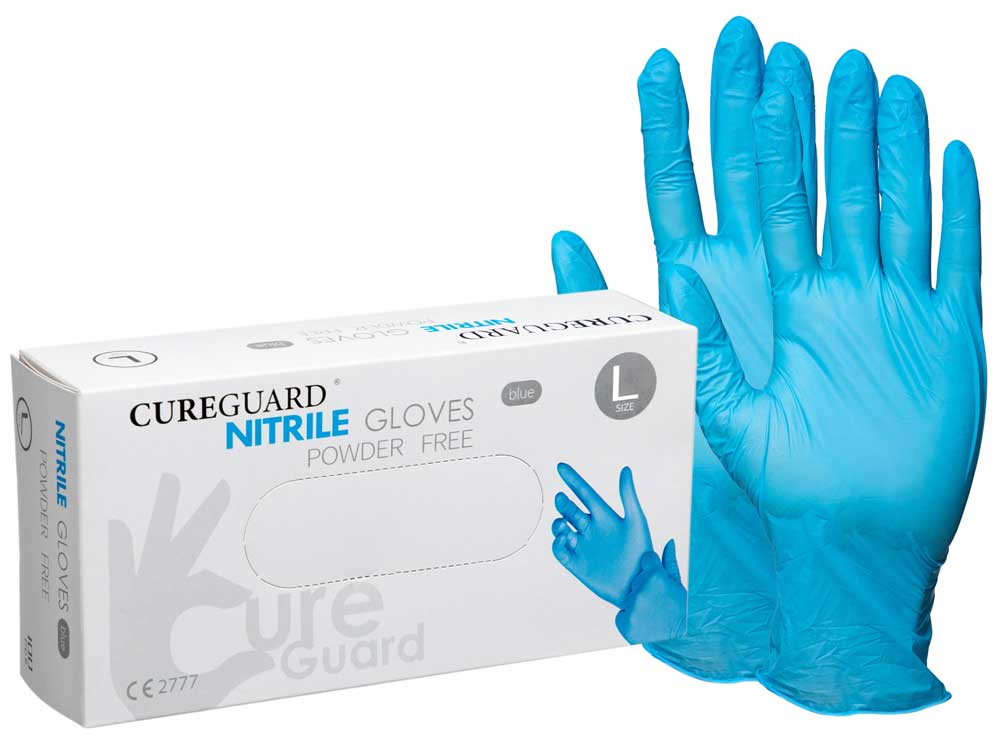
Explore the unique chemical and physical properties that make nitrile gloves the preferred option across medical, industrial, and cleanroom sectors.
 Medical
 Food
 Industry
 Household