
Leave Your Message
-
Contact Phone
-
 Contact Email
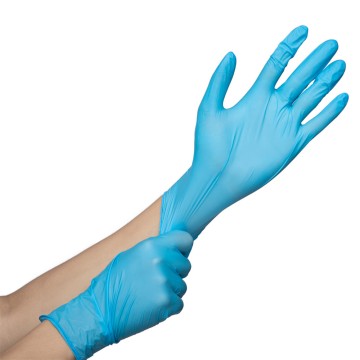
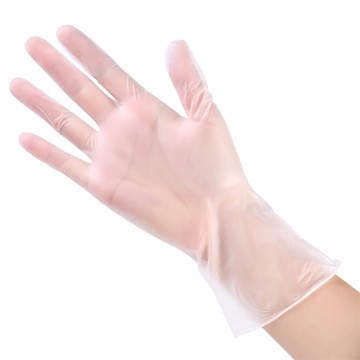
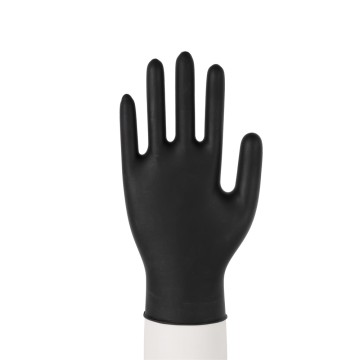
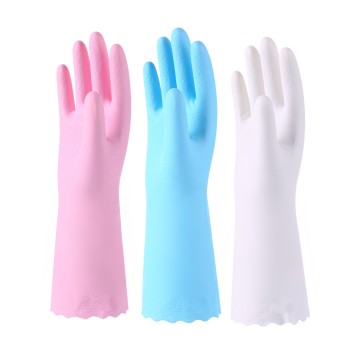
In today's highly regulated global economy, personal protective equipment (PPE) has evolved from a basic compliance checklist item into a critical pillar of operational integrity, public health, and brand trust. Among the diverse spectrum of protective gear, Vinyl Exam Gloves have secured a vital position due to their unique trifecta of cost-efficiency, safety, and comfort. For the Luxembourg market—a region characterized by its world-class healthcare system, advanced research laboratories, thriving gastronomy, and precision industrial manufacturing—the demand for reliable, top-tier vinyl and nitrile gloves is stronger than ever. As local businesses and medical institutions across the Grand Duchy seek to secure their supply chains, partnering with verified vinyl exam gloves factories and manufacturers has become a paramount business objective.
Luxembourg represents a highly sophisticated European market that demands absolute compliance with European Union safety directives. From clinical wards in Luxembourg City to high-tech manufacturing plants in Belval, gloves must meet rigorous certification standards while delivering consistent performance.
Luxembourg, despite its compact geographical size, boasts one of the most dynamic and high-performing economies in the world. The Grand Duchy's industrial and commercial landscape is highly diversified, demanding strict adherence to safety and hygiene protocols. This creates a wide variety of localized application scenarios for premium vinyl and nitrile gloves.
Luxembourg’s healthcare system is globally renowned for its quality and accessibility. Major hospital groups, clinical networks, and rehabilitation centers, such as the Centre Hospitalier de Luxembourg (CHL), the Hôpitaux Robert Schuman, and the Centre Hospitalier Emile Mayrisch (CHEM), require a continuous, high-volume supply of medical-grade examination gloves. In clinical settings, medical professionals rely on gloves to prevent cross-contamination and ensure patient safety during non-invasive examinations, blood collection, and diagnostics. Vinyl exam gloves, being completely latex-free, serve as an ideal alternative for patients and staff with Type I allergies, which is a critical consideration in modern patient care.
Gastronomy and food service are key drivers of the local economy. From high-end Michelin-starred restaurants in Luxembourg City to large-scale food packaging and processing facilities in the southern regions, maintaining strict hygiene standards is non-negotiable. The HORECA (Hotel, Restaurant, and Café) sector relies heavily on disposable gloves for food handling, preparation, and cleaning. Because vinyl gloves are safe, non-toxic, and highly cost-effective, they are the preferred choice for short-duration tasks typical in food service. They protect hands from food stains and odors while ensuring that food products remain uncontaminated by human contact.
Luxembourg has established itself as a hub for advanced research, biotechnology, and high-tech manufacturing. Institutions such as the Luxembourg Institute of Science and Technology (LIST) and various electronics manufacturers in industrial zones like Contern require cleanroom-compatible and antistatic protective wear. In these high-precision environments, workers handle sensitive electronic components or chemical agents where hand protection is vital to prevent both contamination of the product and injury to the worker. Specialized vinyl and nitrile gloves designed for industrial and electronic applications offer the necessary sensitivity and barrier protection required for these precision tasks.
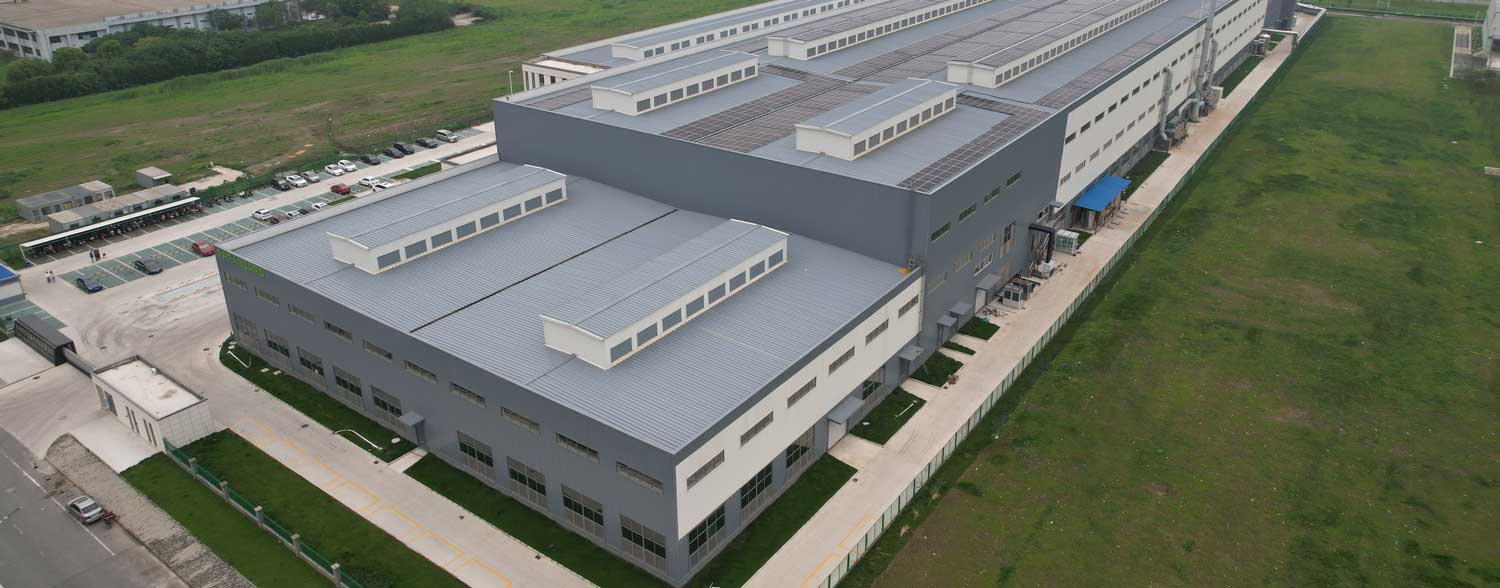
Established in 2006 and headquartered in Jiangsu Province, China, Cureguard Glove Group has specialized in glove manufacturing for over 20 years. We own over 60 production lines dedicated to disposable vinyl and nitrile gloves, and reusable vinyl gloves, with an annual output exceeding 10 billion pieces.
We supply various kinds of gloves to customers in more than 100 countries and regions worldwide, rolling out different series of products to address various routine scenario needs, such as medical examination, food contact, electronic industry, and household use.
Click View More


Vinyl gloves are manufactured from polyvinyl chloride (PVC) and specialized plasticizers that impart flexibility, softness, and durability. Understanding their unique benefits helps Luxembourgish procurement managers choose the right product for their specific operational needs.
The market for disposable and reusable gloves in Europe, and specifically in Luxembourg, is undergoing rapid transformation driven by regulatory changes, technological advancements, and shifting consumer preferences.
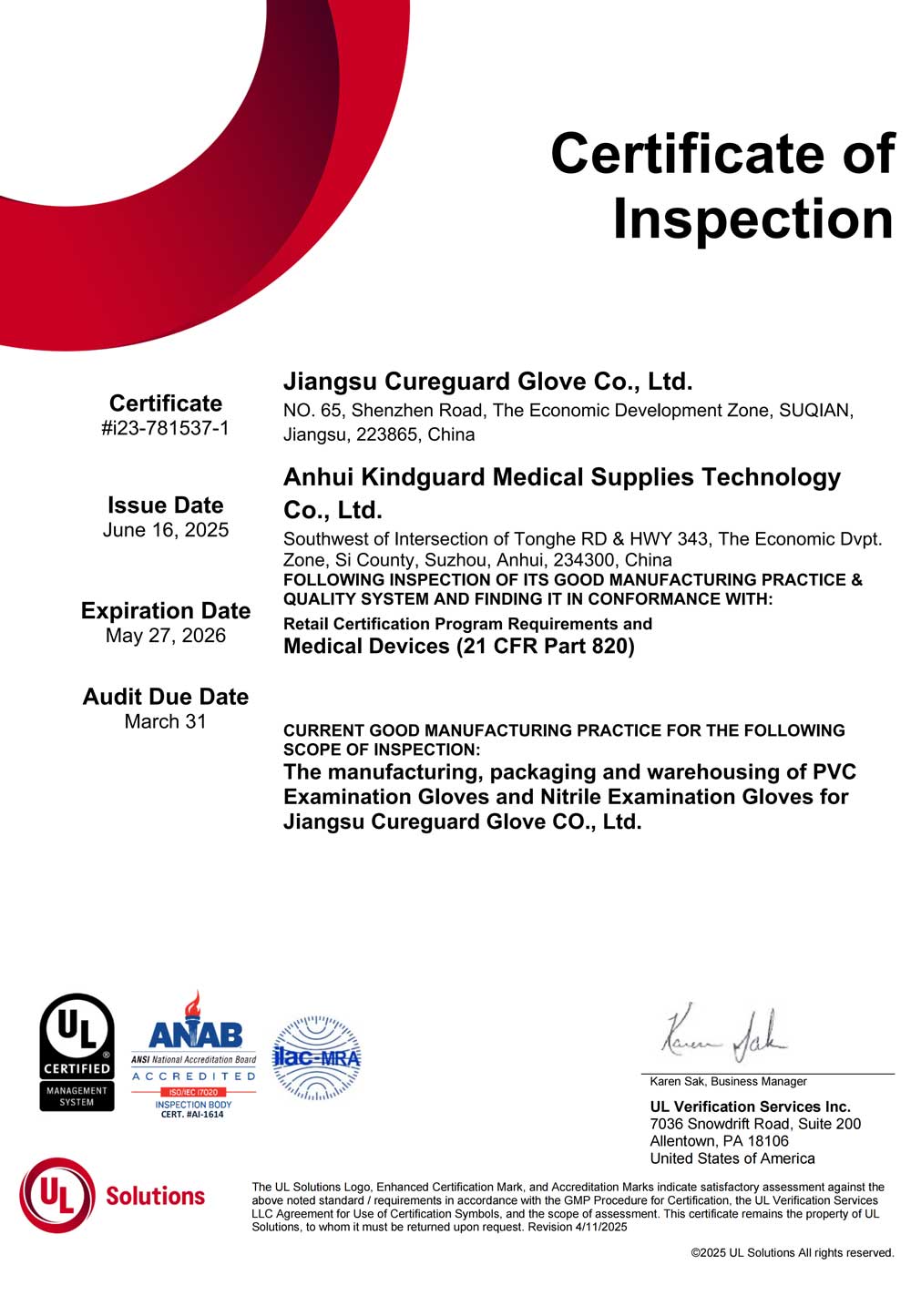
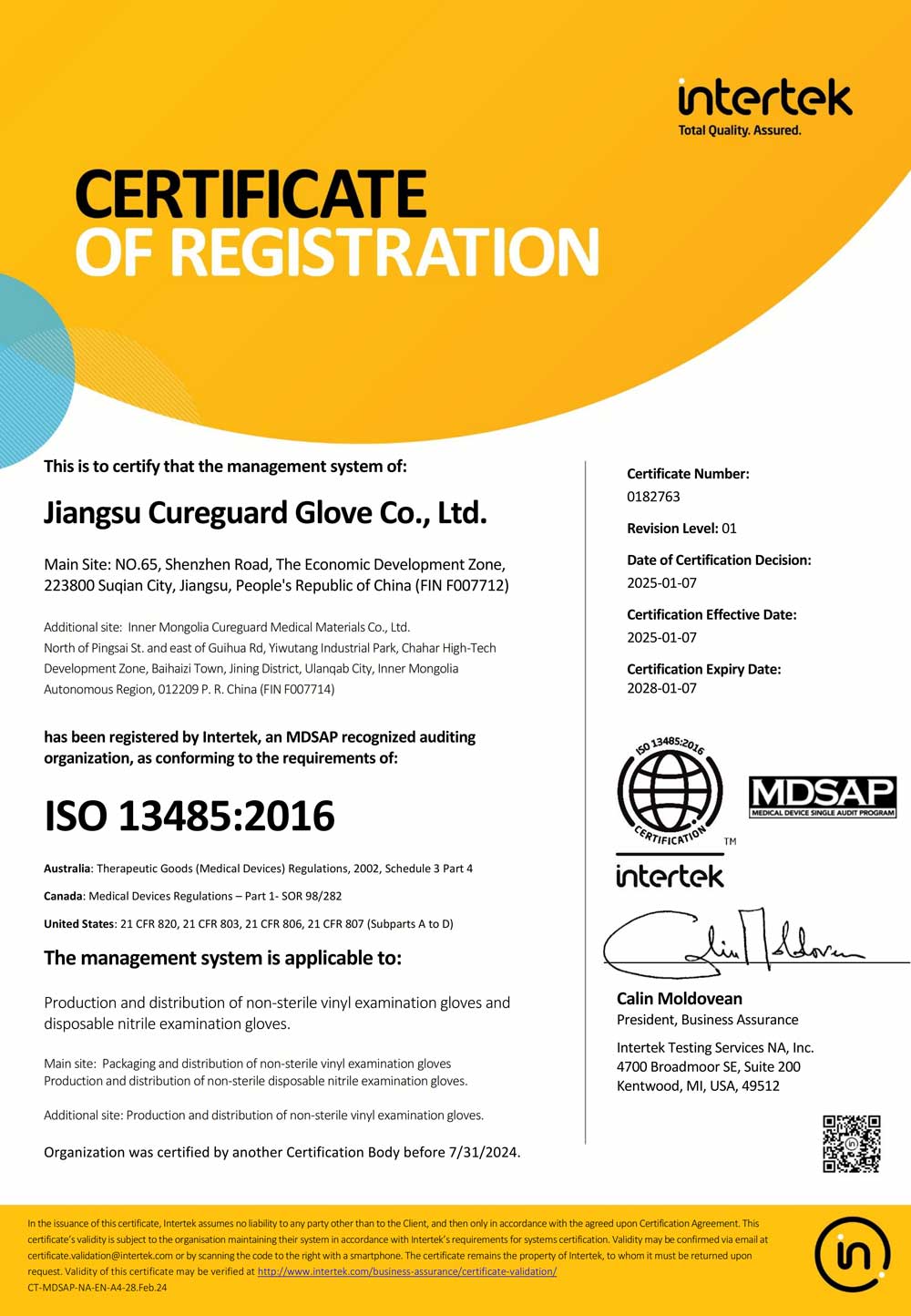
The European Union enforces some of the strictest standards for medical devices and personal protective equipment. Manufacturers targeting the Luxembourg market must comply with regulations such as EN 455 (for medical gloves), EN 374 (for chemical and micro-organism protection), and the CE marking. Luxembourgish buyers are increasingly diligent, demanding certificates like ISO 13485 (Medical Devices Quality Management) and GMP (Good Manufacturing Practice). Factories that can consistently demonstrate compliance are highly favored.
The disruptions of recent years highlighted the vulnerability of global supply chains. Luxembourgish enterprises now prioritize manufacturers with massive production capacities and reliable logistics networks. Partnering with established groups like Cureguard, which boasts over 60 production lines and an annual capacity of 10 billion pieces, ensures a stable and uninterrupted supply of critical PPE.
The integration of Artificial Intelligence and automation in glove factories has revolutionized production efficiency. AI-driven quality control systems can detect microscopic defects in real-time, ensuring that every batch of gloves shipped to Luxembourg meets the highest safety standards. This technological evolution reduces manufacturing waste, lowers costs, and guarantees product consistency.
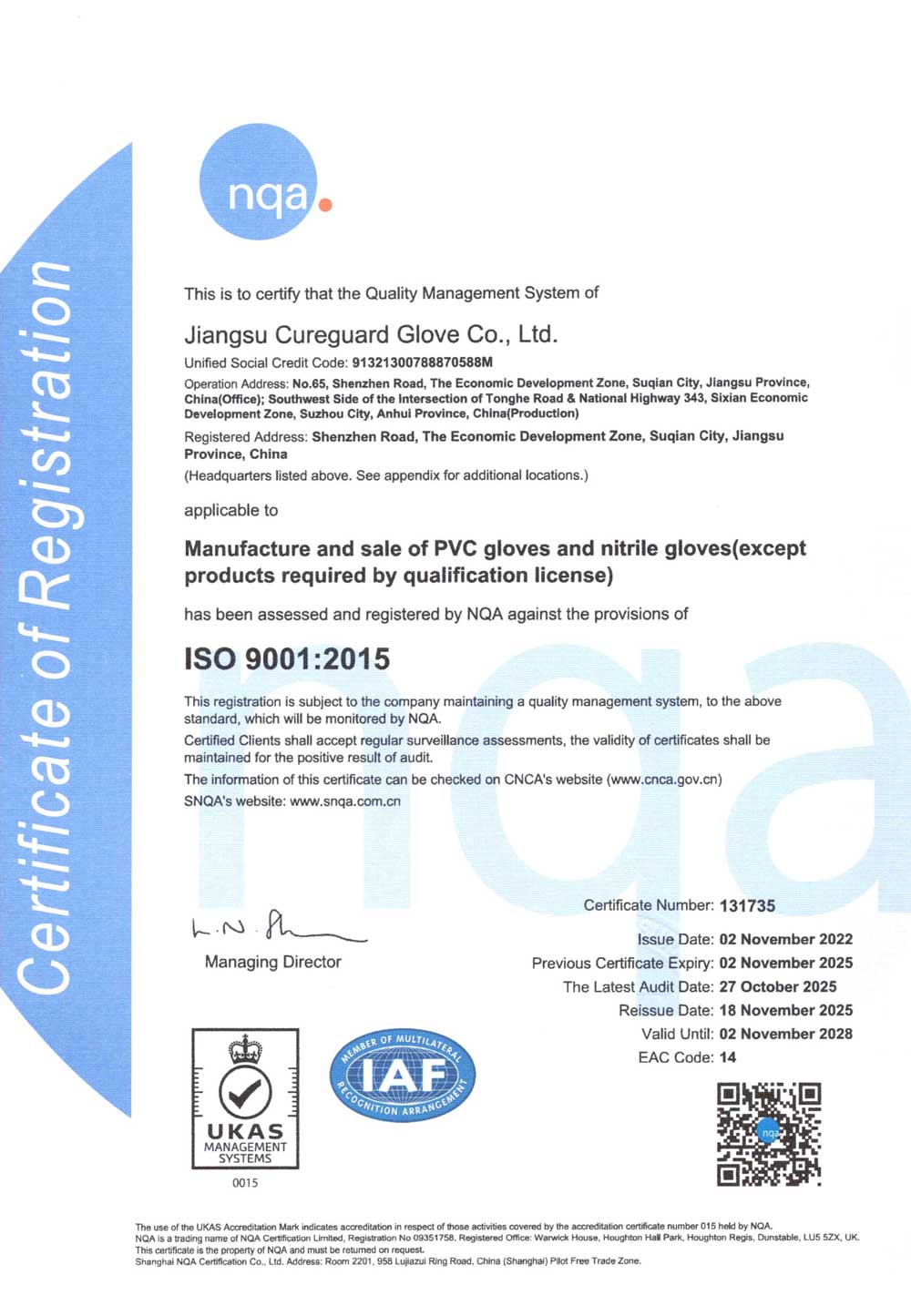
The production of high-quality vinyl exam gloves requires a meticulous, multi-step chemical and mechanical process. It begins with the preparation of the plastisol, a liquid mixture of PVC resin, plasticizers, stabilizers, and pigment. The plasticizers are crucial as they transform the rigid PVC into a flexible, wearable material. To ensure the gloves are safe for the medical and food industries, manufacturers must use non-toxic, high-grade plasticizers that comply with European REACH regulations.
Once the plastisol is prepared, ceramic or metal hand-shaped formers are thoroughly cleaned and dried. These formers are then dipped into the liquid plastisol. The speed and angle of dipping, along with the viscosity of the liquid, determine the thickness and uniformity of the glove. After dipping, the formers pass through a high-temperature curing oven where the plastisol gelates and solidifies into a cohesive glove. After curing, the gloves undergo a process called beading, where the cuff is rolled to create a secure rim that prevents tearing when the glove is donned. Finally, the gloves are stripped, tested, and packaged for export to key European hubs like Luxembourg.
When procuring protective gloves, procurement officers in Luxembourgish hospitals, laboratories, and factories often compare vinyl with nitrile and latex. Each material has distinct characteristics:
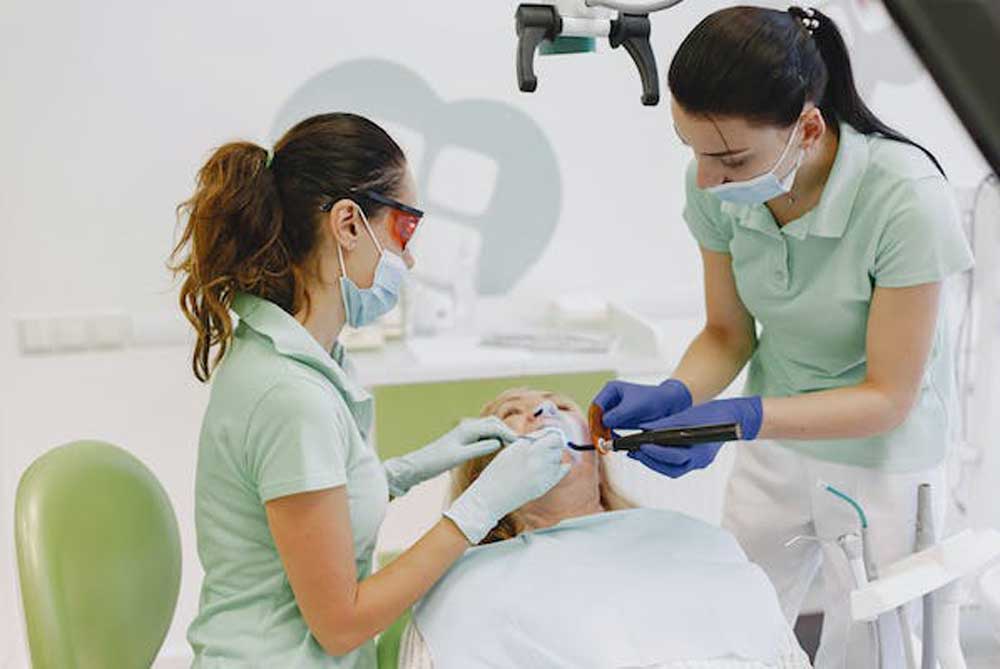

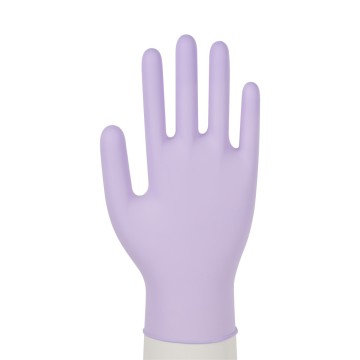
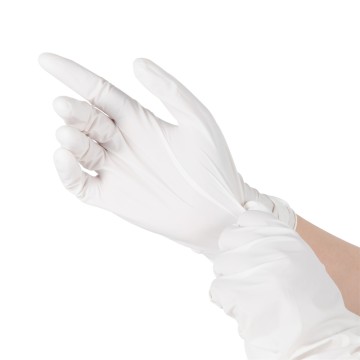
Essential for non-invasive clinical exams, diagnostic labs, and elderly care facilities across Luxembourg, providing safe, latex-free barrier protection.
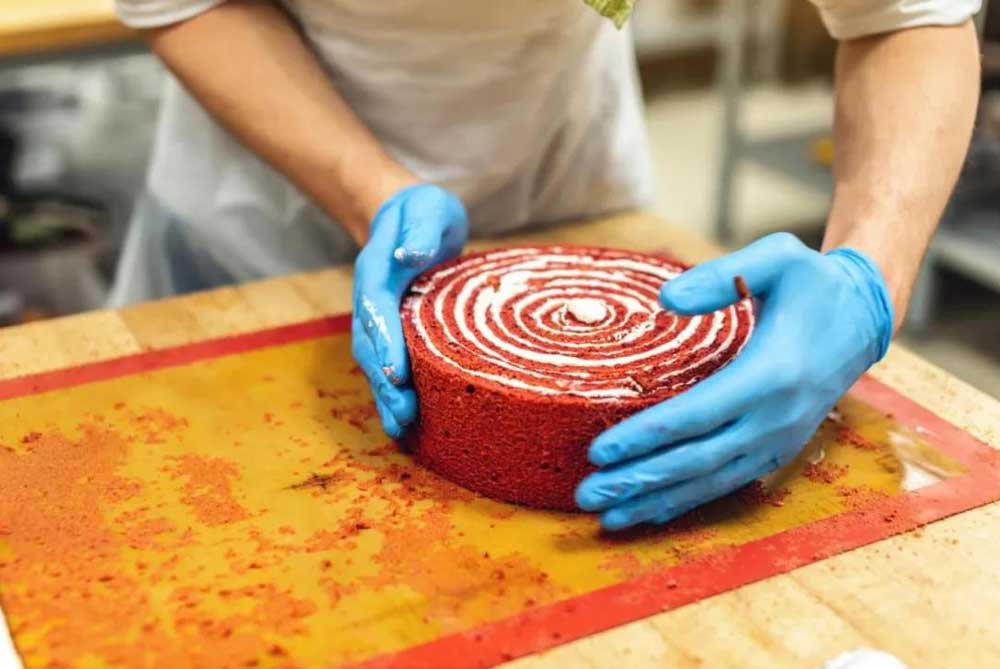

Perfect for HORECA and food processing sectors in Luxembourg City and tourist regions, ensuring absolute food hygiene and safety compliance.
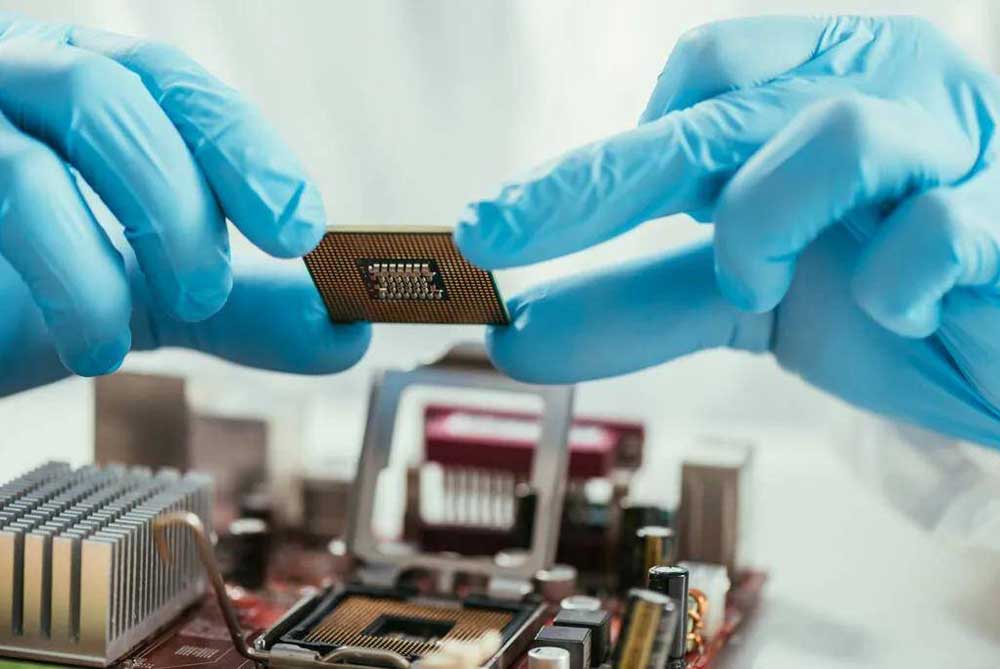

Tailored for advanced manufacturing, electronics, and automotive assembly in Southern Luxembourg, offering antistatic and low-shedding features.
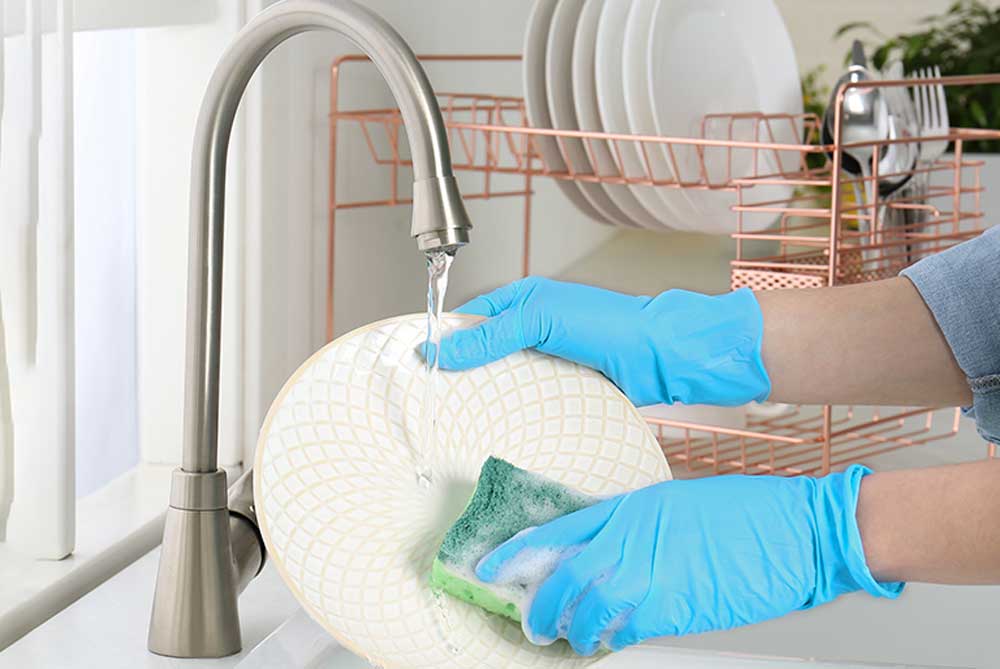

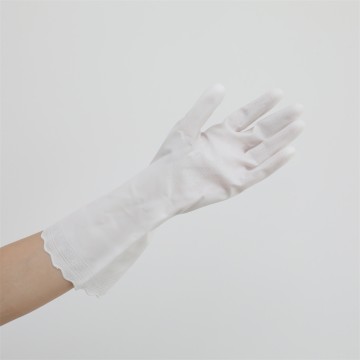
Designed for daily home cleaning, municipal sanitization, and general protective tasks, featuring durable and flocking-lined designs.
To better understand the practical utility of vinyl and nitrile gloves, let us examine how they are deployed in specific local contexts within the Grand Duchy:
In urban medical clinics, dental practices, and eldercare facilities across Luxembourg City, healthcare workers utilize disposable vinyl gloves for routine patient check-ups, non-invasive procedures, and sanitization. The allergy-friendly nature of vinyl ensures that patients are safe from latex exposure, while the cost-efficiency allows clinics to maintain high hygiene standards within their operating budgets.
In the kitchens of gourmet restaurants and catering services in regions like Vianden and Echternach, food handling gloves are indispensable. Chefs and kitchen staff use disposable vinyl gloves to handle raw meats, seafood, and ready-to-eat foods, preventing cross-contamination and foodborne illnesses. The non-toxic, odorless composition of these gloves ensures that the flavor and quality of Luxembourg's culinary creations remain untainted.
In the industrial heartlands of Differdange, Dudelange, and Esch-sur-Alzette, electronic component manufacturers and precision engineering firms require specialized hand protection. Here, antistatic, low-shedding gloves are used to handle delicate microchips and circuit boards. These gloves prevent static electricity from damaging sensitive electronics while protecting workers' hands from oils and mild solvents.
Across Luxembourg's diverse municipalities, municipal workers and cleaning staff rely on reusable, thickened vinyl gloves with flocking lining. These gloves are used for public sanitation, park maintenance, and facility cleaning. The durable design protects against abrasions and harsh cleaning agents, while the inner lining provides comfort during long shifts in varying weather conditions.
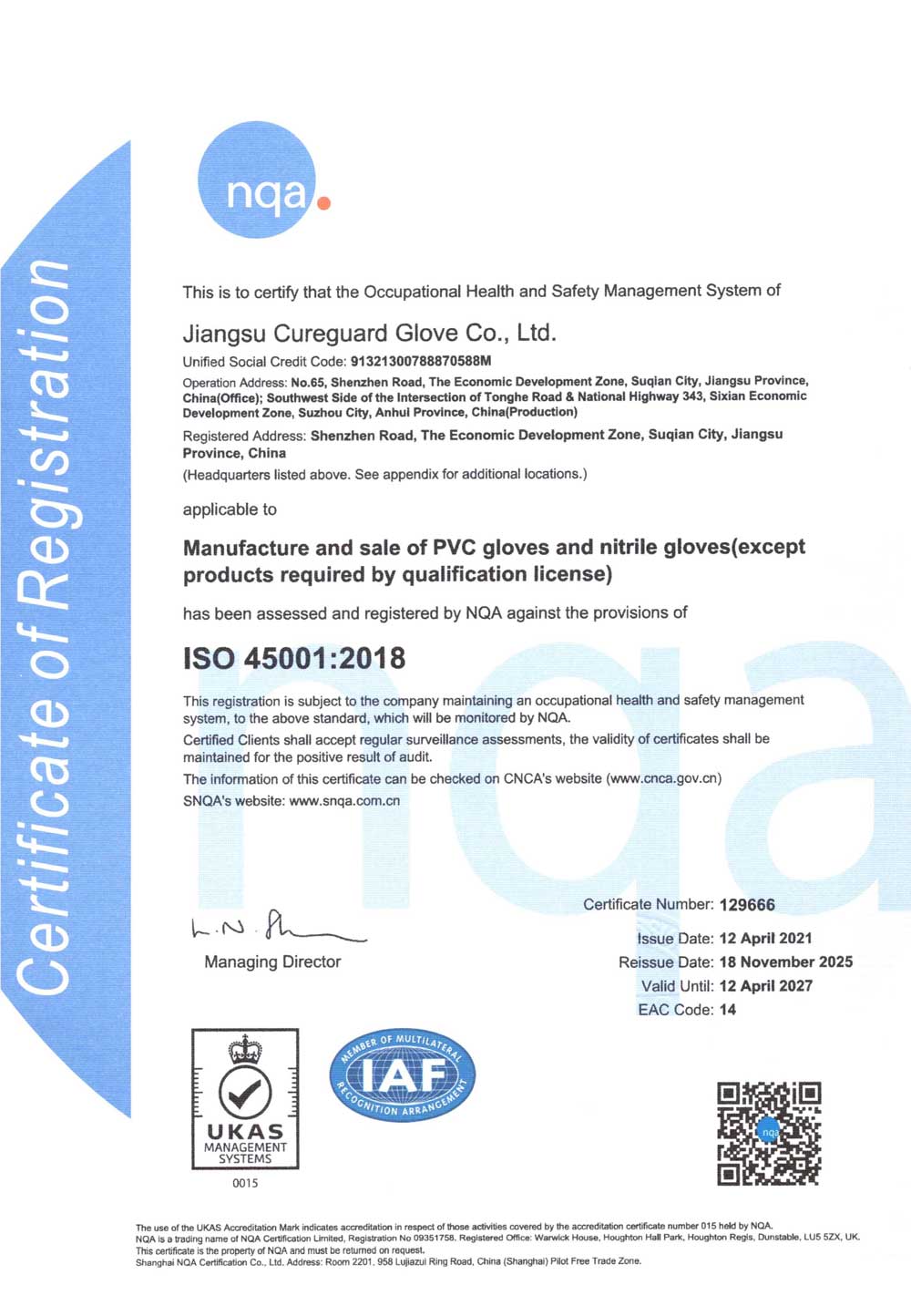
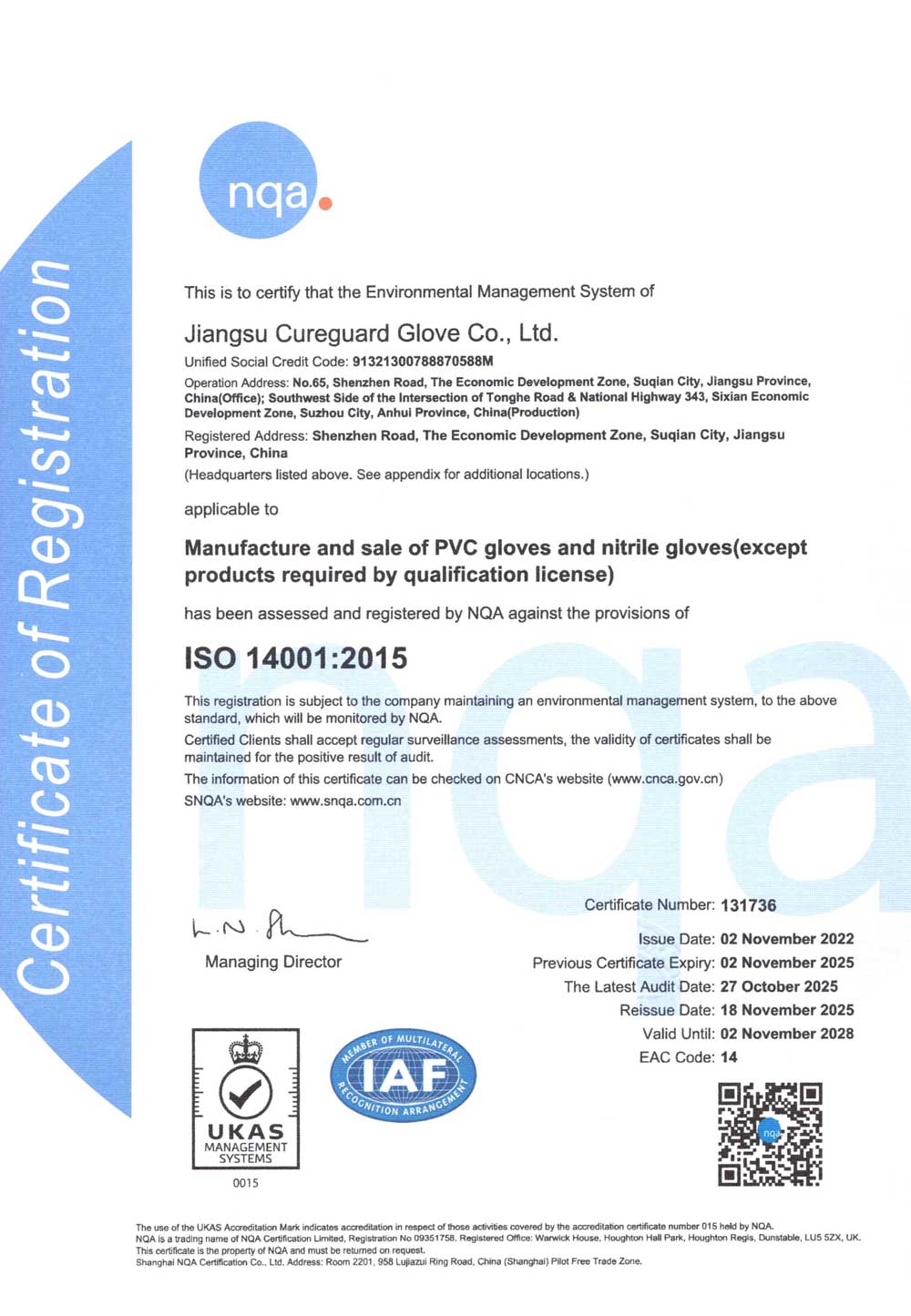
For businesses in Luxembourg looking to source top-tier vinyl and nitrile gloves, Cureguard Glove Group stands out as an industry leader. With 5 state-of-the-art factories and over 60 advanced production lines, Cureguard boasts an annual capacity exceeding 10 billion pieces. This massive scale ensures that even during periods of high global demand, Cureguard can reliably supply the Luxembourg market without delay. The group's commitment to quality is backed by international certifications, including ISO 9001, ISO 13485, ISO 14001, ISO 45001, and GMP compliance. By continuously investing in technological innovation and quality control, Cureguard delivers gloves that meet and exceed the rigorous safety standards required by European and Luxembourgish authorities.
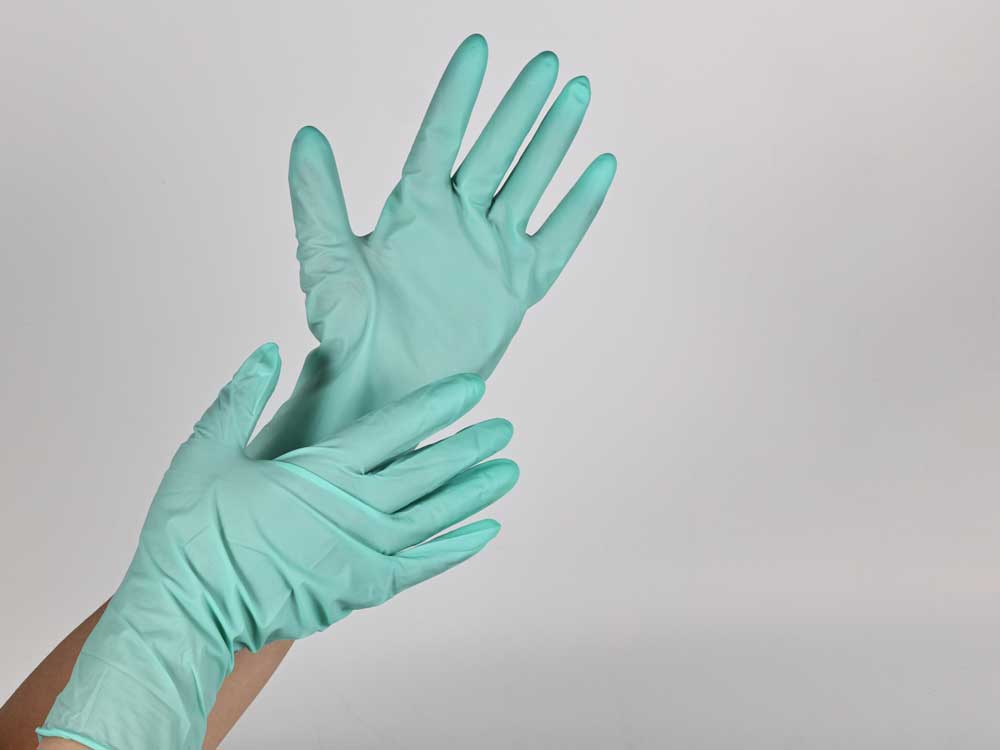
Discover best practices for medical staff donning nitrile and vinyl gloves during surgery and clinical procedures to ensure maximum safety...
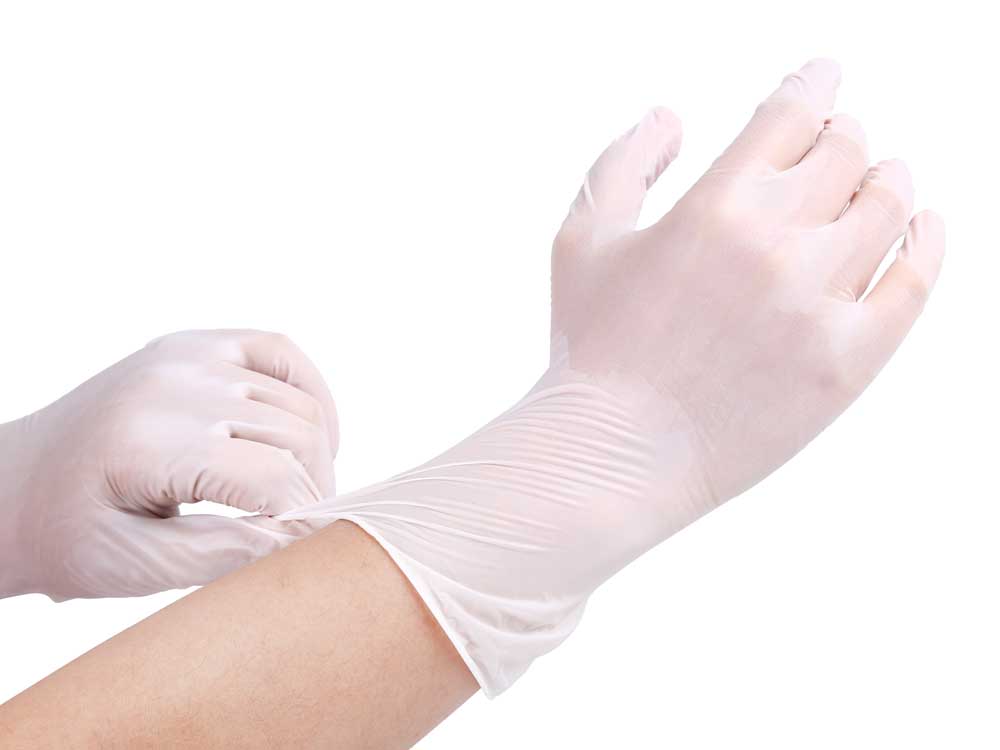
In food processing, hand contact is a primary risk. Learn how disposable PVC (vinyl) gloves establish a reliable hygiene barrier...
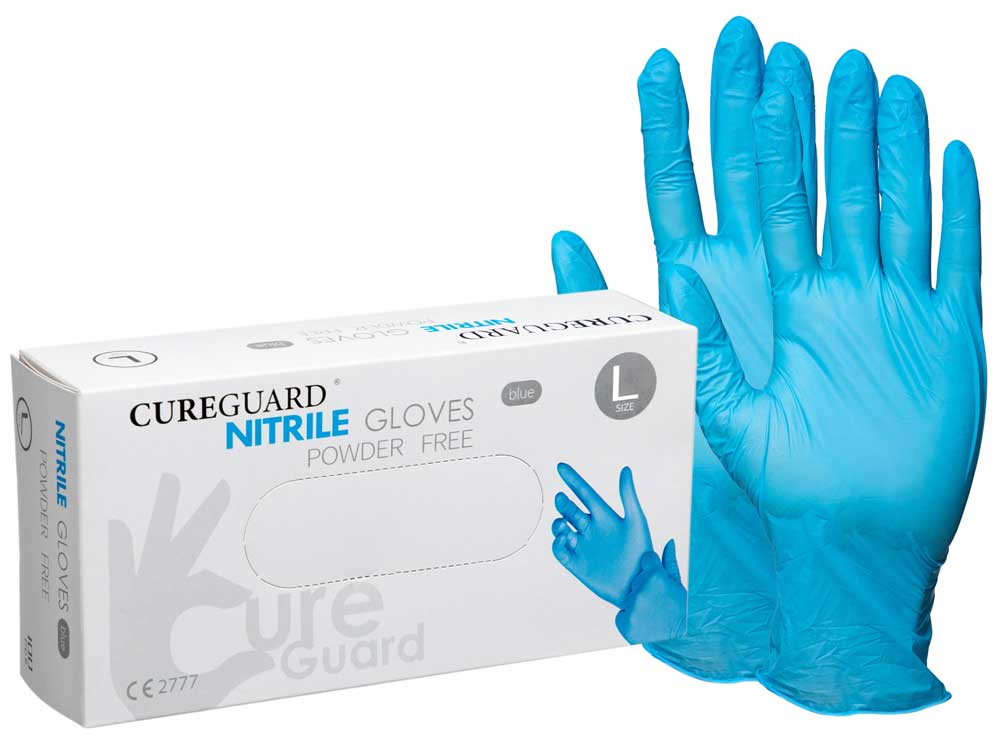
Analyzing the growing global demand for high-performance nitrile gloves across industrial, medical, and domestic applications...