

Leave Your Message
-
Contact Phone
-
 Contact Email
Explore our top-recommended gloves designed to keep your hands protected from soil pathogens, moisture, and mild landscaping chemicals.
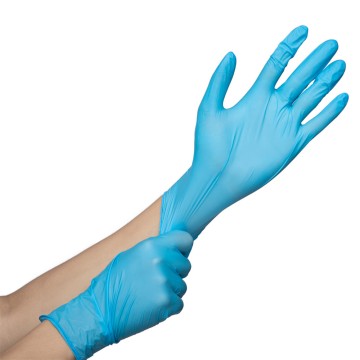
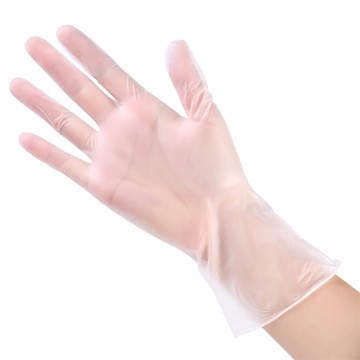
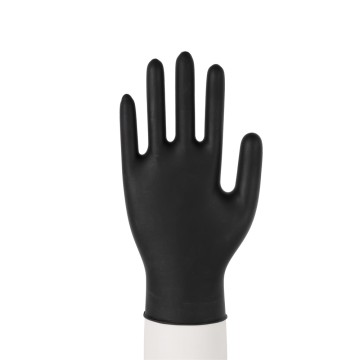
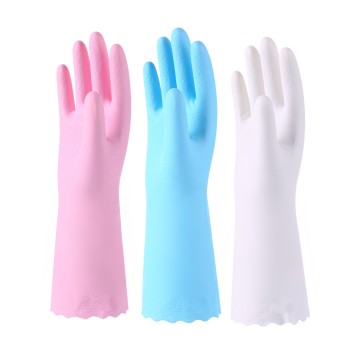
In recent years, the global horticulture and landscaping industries have witnessed a major shift toward professional-grade personal protective equipment (PPE). What was once considered a hobbyist activity has evolved into a highly mechanized, safety-conscious commercial sector. Today, commercial greenhouses, organic farms, municipal landscaping crews, and botanical research institutions require reliable barriers against soil-borne pathogens, chemicals, and moisture. Among the various barrier options, Vinyl Exam Gloves for Gardening and Outdoor Yard Work have emerged as a highly popular and cost-effective solution.
Vinyl gloves, manufactured from Polyvinyl Chloride (PVC), offer a unique combination of synthetic durability, chemical inertness, and affordability. Unlike latex gloves, which carry the risk of Type I allergic reactions, or nitrile gloves, which can sometimes be cost-prohibitive for large-scale operations, vinyl exam gloves provide a balanced solution. They are engineered to deliver excellent tactile sensitivity, allowing workers to handle delicate seedlings, perform precise grafting, and manage irrigation systems without losing dexterity.
 Industrial Growth Drivers
The rise in hydroponic farming, vertical urban agriculture, and professional landscaping services has propelled the demand for high-durability disposable gloves. Vinyl gloves serve as an essential hygienic shield, preventing the cross-contamination of delicate crop varieties while shielding the worker's skin from fertilizers and microbes.
Outdoor yard work exposes hands to a multitude of hazards. While heavy leather gloves are standard for handling rough timber or heavy stones, they lack the dexterity required for fine gardening tasks. They also absorb water, mud, and chemicals, creating a breeding ground for bacteria inside the glove. Vinyl exam gloves, by contrast, are completely waterproof and chemical-resistant. They act as a second skin, protecting the hands from:
Established in 2006 and headquartered in Jiangsu Province, China, Cureguard Glove Group is specialized in glove manufacturing for over 20 years. We own over 60 production lines dedicated to disposable vinyl and nitrile gloves, and reusable vinyl gloves with an annual output exceeding 10 billion pieces.
We supply various kinds of gloves to customers in more than 100 countries and regions worldwide. We roll out different series of products to address various routine scenario needs, such as medical examination, food contact, electronic industry, and household use.

In commercial nurseries, the early stages of plant propagation require absolute hygiene. Seedlings are highly susceptible to damping-off disease caused by soil fungi. Workers must maintain sterile conditions to prevent spreading pathogens from tray to tray. Vinyl exam gloves provide the perfect level of tactile sensitivity, allowing workers to handle tiny seeds and perform delicate grafting cuts without damaging fragile plant tissues, all while maintaining a sterile barrier.
Amending soil with compost, manure, or chemical fertilizers is a standard yard task. Many fertilizers contain concentrated nitrogen, phosphorus, and potassium compounds that can irritate the skin. Vinyl gloves offer excellent resistance to these inorganic compounds. The powder-free design ensures that no chemical residues bind to the glove powder, reducing the risk of contact allergies.
Hydroponics and aquaponics are rapidly growing segments of modern horticulture. These systems require regular maintenance, including checking nutrient solutions, cleaning water lines, and harvesting leafy greens. Because vinyl gloves are non-porous and waterproof, they prevent water from penetrating to the skin while ensuring that human skin oils do not contaminate the sterile nutrient solution.
Morning dew, recent rainfall, or irrigation can make weeding a messy, muddy task. Traditional fabric gloves quickly absorb water, becoming heavy, cold, and uncomfortable. Vinyl gloves keep the hands dry throughout the task. For heavier weeding that involves thorns or rough brambles, vinyl gloves can serve as a hygienic liner underneath heavy-duty leather work gloves, combining structural protection with moisture barrier defense.
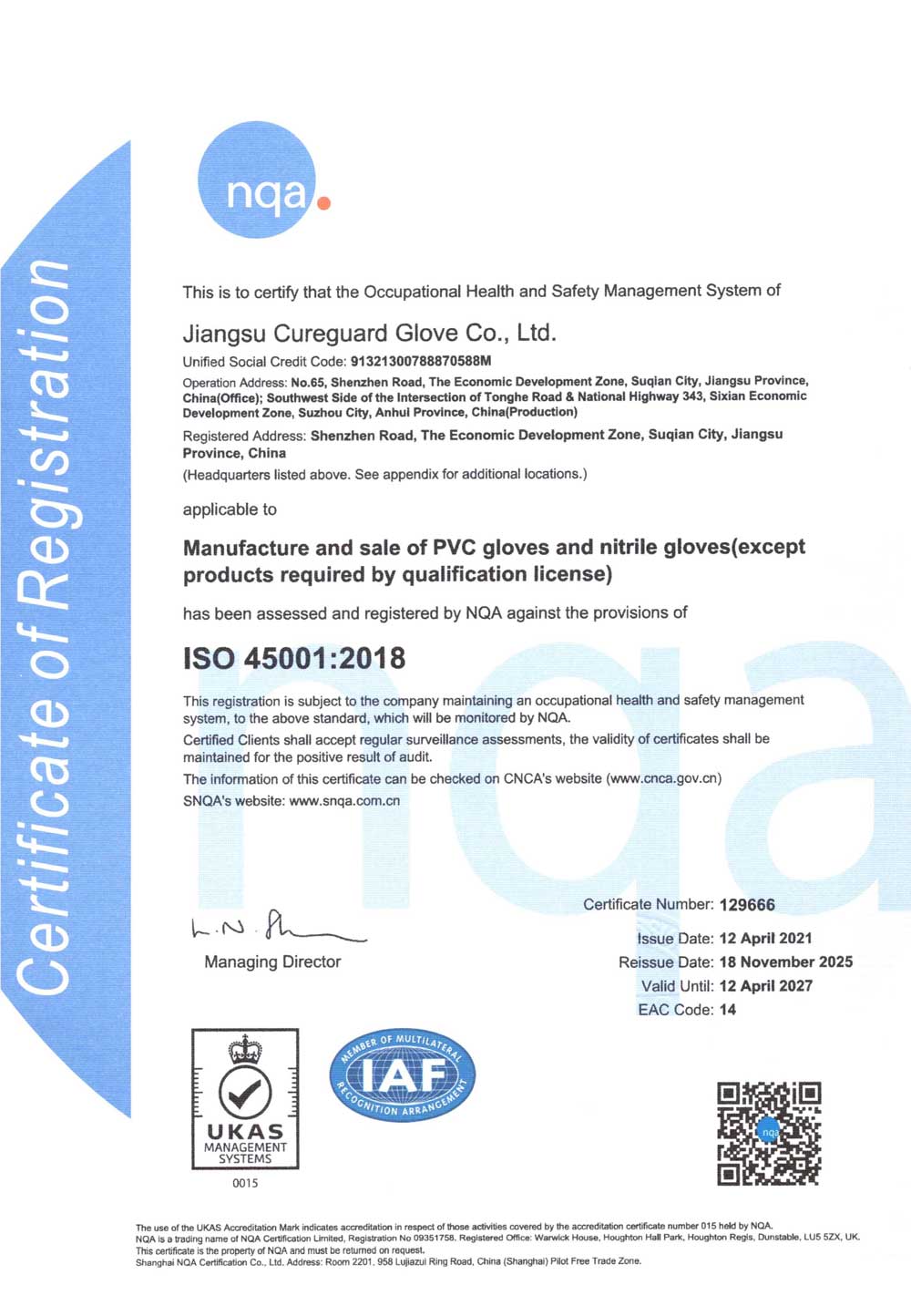
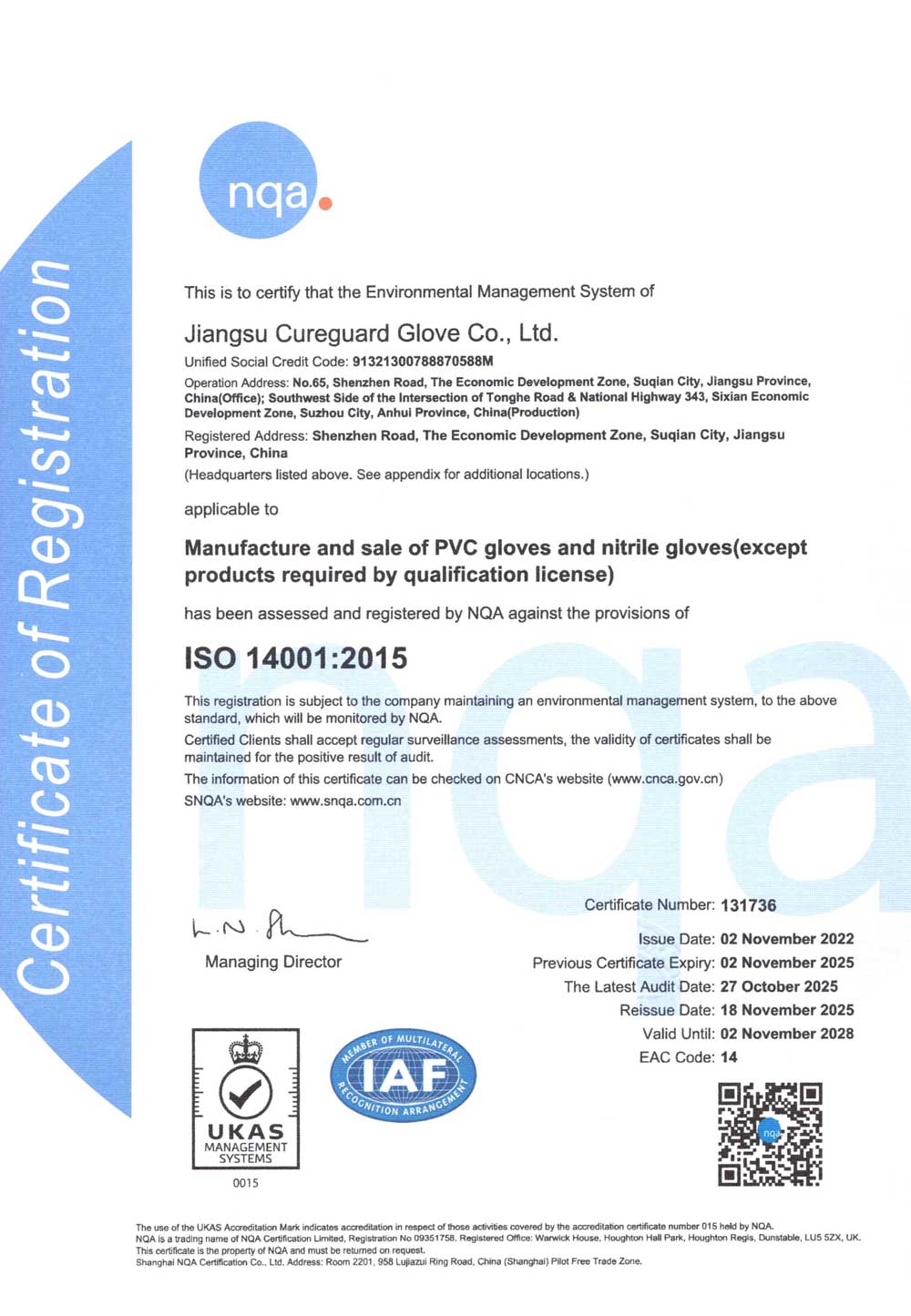
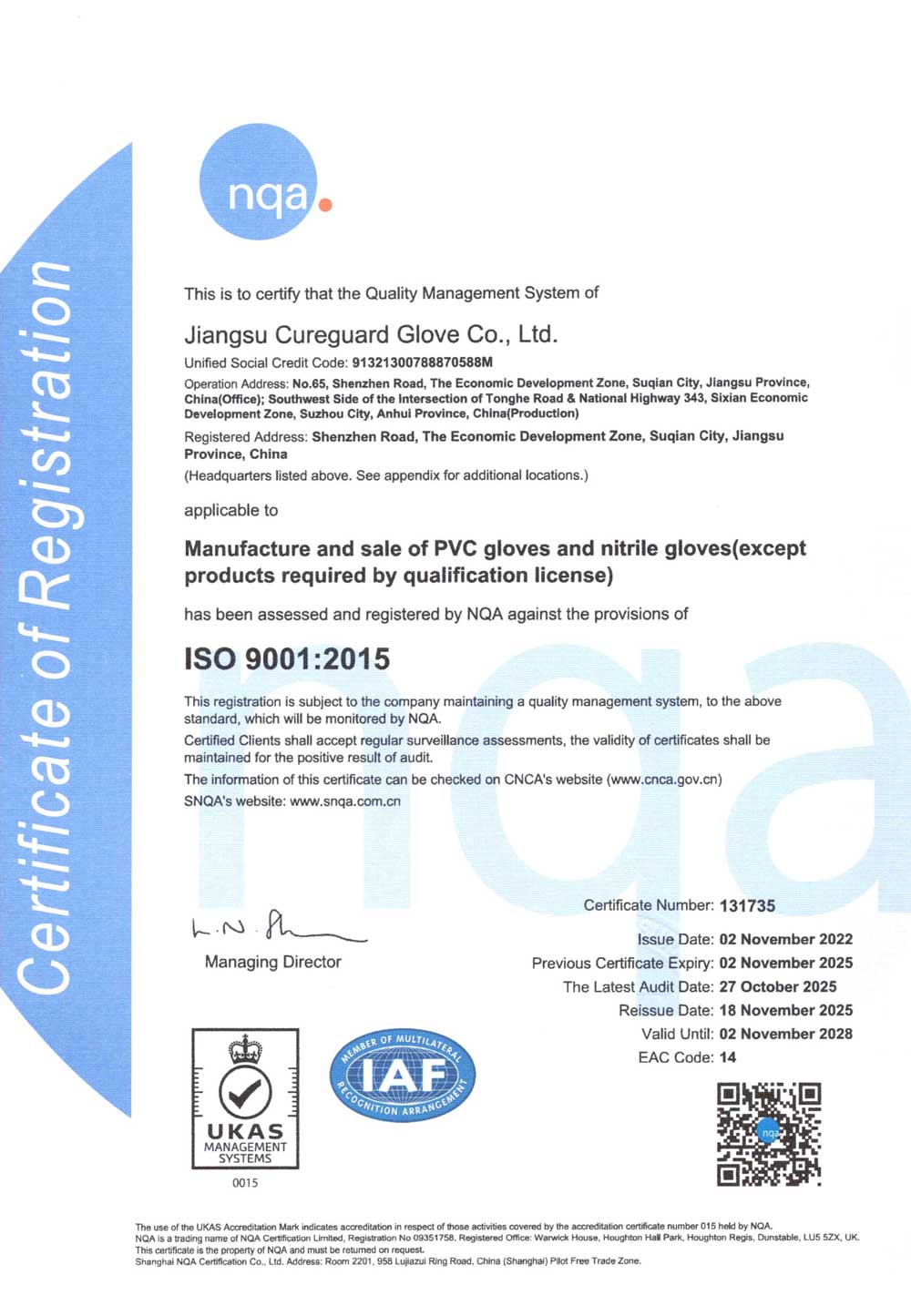
Our production processes adhere to the highest global quality standards, ensuring safety, reliability, and consistent performance.



Medical-grade barrier protection designed to prevent cross-infection in surgical and clinical environments.
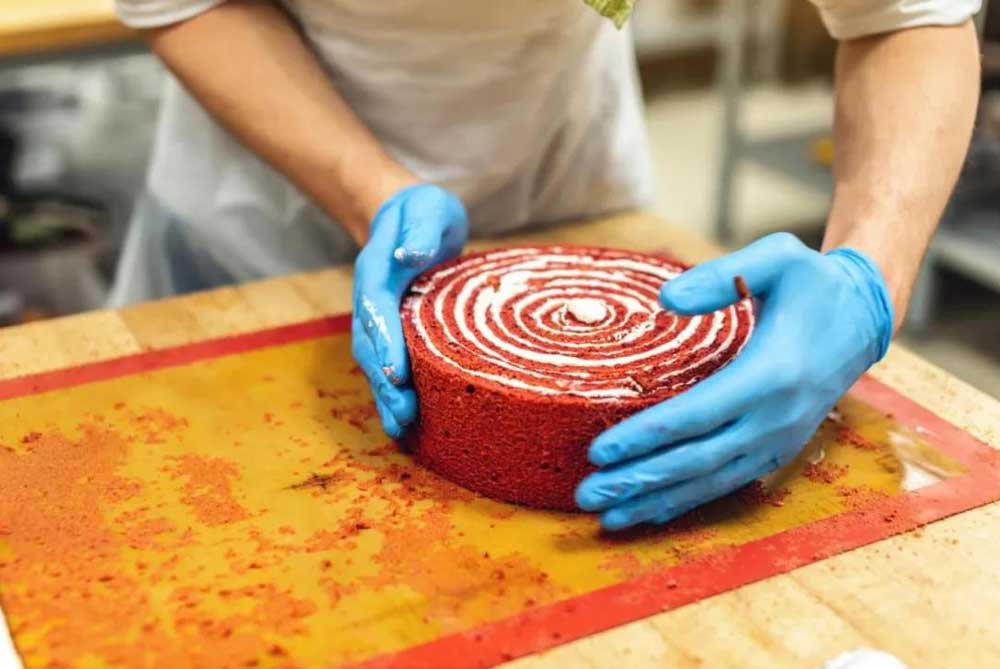
Safe, non-toxic, and FDA-compliant gloves for food preparation, handling, and packaging services.
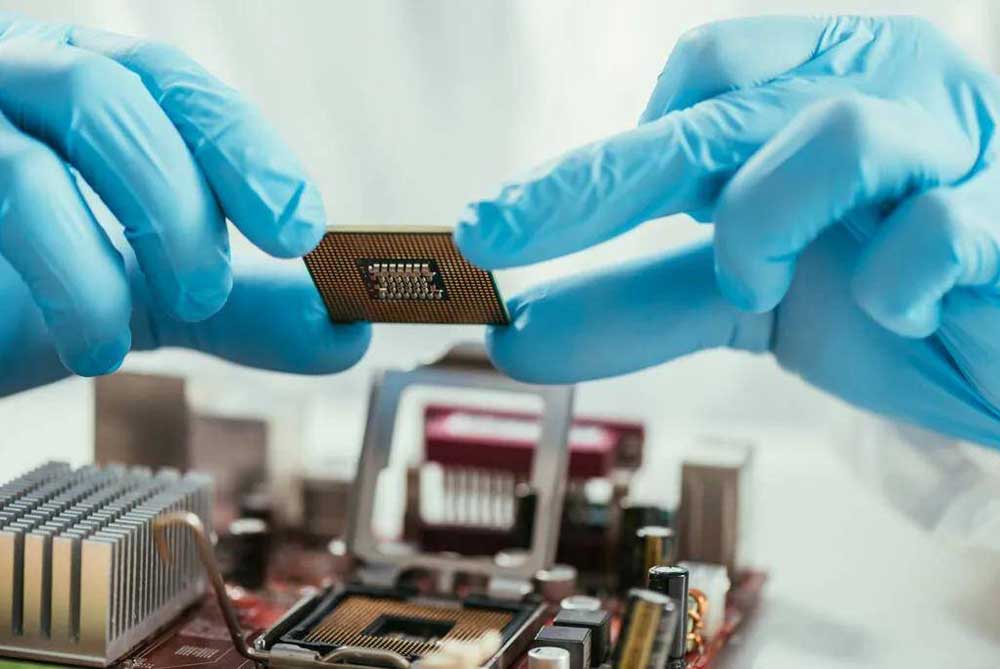
Antistatic, low-shedding, and highly sensitive protective gloves for precision electronics assembly.
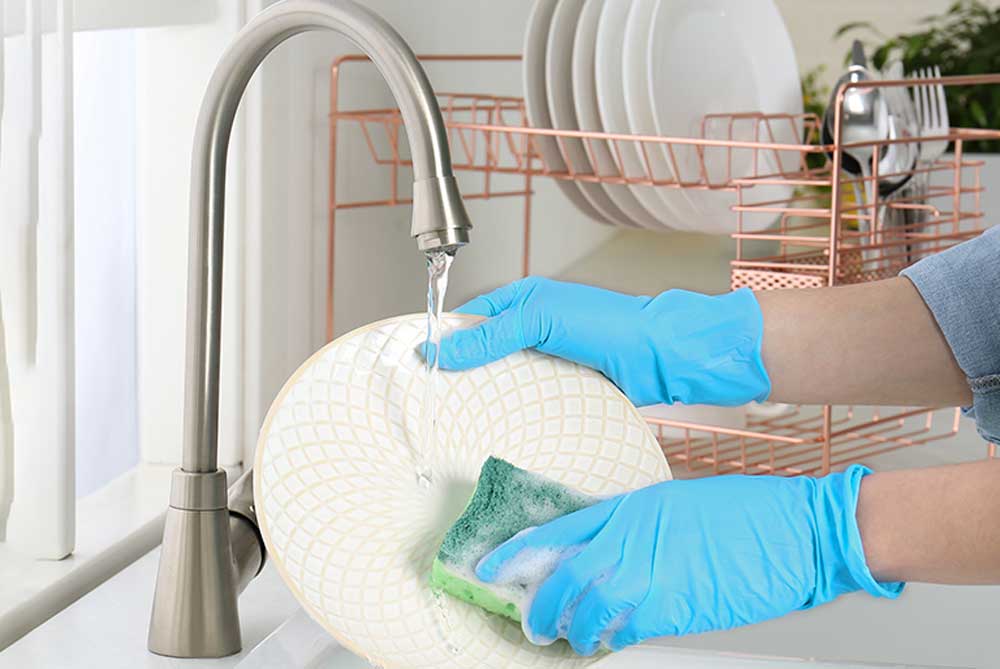
Durable, waterproof, and chemical-resistant gloves designed for yard work, cleaning, and daily chores.
As environmental sustainability becomes a global priority, the disposable glove industry is undergoing rapid innovation. The future of vinyl gloves in gardening and outdoor yard work lies in the development of eco-friendly materials and enhanced ergonomic fits.
Historically, PVC gloves relied on phthalate plasticizers to achieve flexibility. However, modern environmental regulations have driven the adoption of non-phthalate plasticizers (such as DOTP or DINP). These new formulations are safer for the user and the environment, ensuring that when the gloves are disposed of, they do not leach harmful chemicals into the soil or waterways. This is particularly crucial for organic farming and home vegetable gardening, where soil purity is paramount.
Manufacturers are actively testing organic additives that accelerate the biodegradation of vinyl in landfill environments. Future generations of vinyl gardening gloves will maintain their robust barrier properties during use but break down much faster once discarded, significantly reducing the carbon footprint of commercial agricultural operations.
Advanced mold designs are creating vinyl gloves that mimic the natural curvature of the hand, reducing hand fatigue during long hours of weeding, planting, or pruning. Extended cuff options are also becoming standard, providing protection further up the wrist to prevent soil and debris from entering the glove during deep digging.
 Material Comparison for Gardening Use
While Nitrile offers high puncture resistance, it can feel stiff and is more expensive. Latex offers high elasticity but risks triggering severe allergies. Vinyl stands out as the optimal choice for general outdoor chores, repotting, and chemical application due to its cost-efficiency, hypoallergenic nature, and reliable waterproof barrier.
Understanding how proper donning techniques prevent bacterial cross-contamination in both surgical rooms and high-tech agricultural labs...
Exploring the role of PVC (vinyl) gloves in protecting food processing and plant harvesting chains against contamination and microbial transfer...
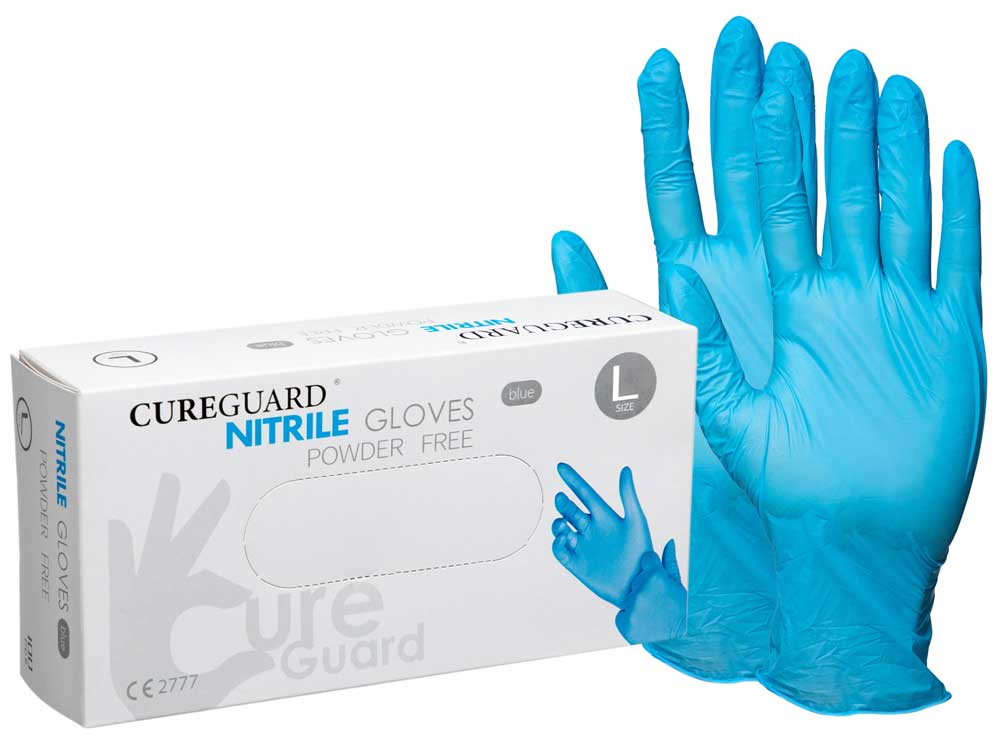
A comprehensive guide on evaluating glove materials based on tensile strength, chemical resistance, and cost-efficiency for industrial use...
Browse our complete product catalog, offering tailored safety solutions for gardening, industrial assembly, food handling, and medical applications.
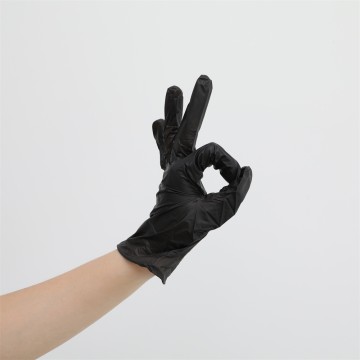
To maximize the protective benefits of vinyl exam gloves during outdoor yard work, users should follow key industry guidelines. Following these practices ensures hand safety and maintains a clean working environment:
A glove that is too tight will restrict movement, reduce dexterity, and tear easily under tension. A glove that is too loose can slip off, allow dirt to enter, or get caught in tools. Measure your hand circumference across the knuckles to find the optimal size.
Always wash and dry hands before putting on gloves. Trapping moisture inside the glove can lead to bacterial growth and skin maceration. Washing hands after removing gloves removes any residual sweat, dirt, or trace chemicals.
Disposable vinyl gloves are designed for single-use tasks. Reusing them can compromise their structural integrity, leading to microscopic tears that allow water or chemicals to reach the skin. For long-term projects, opt for our reusable thickened vinyl gloves.
Used gloves should be disposed of in dedicated waste bins, especially if they have been in contact with chemical fertilizers or pesticides. This prevents local wildlife from coming into contact with chemical residues.
Whether you are managing a commercial farming facility, coordinating municipal lawn care, or working in your backyard, your hands are your most valuable tools. Protecting them from pathogens, harsh chemicals, and wet conditions is essential for long-term health and productivity.
Vinyl Exam Gloves for Gardening and Outdoor Yard Work offer a cost-effective, durable, and highly protective barrier. Backed by Cureguard Glove Group's 20 years of manufacturing excellence, state-of-the-art production lines, and strict international quality standards, you can trust our gloves to deliver reliable performance. Keep your hands safe, clean, and productive under any outdoor conditions.