
Leave Your Message
-
Contact Phone
-
 Contact Email
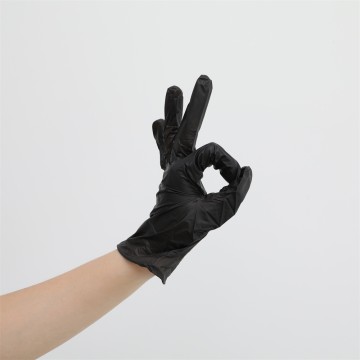
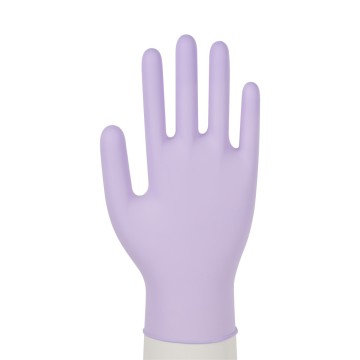
High-performance protective equipment configured for stringent scientific protocols, biochemical assaying, and reagent splash containment.
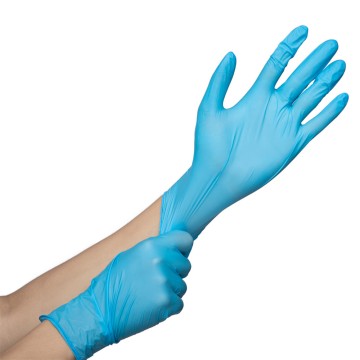
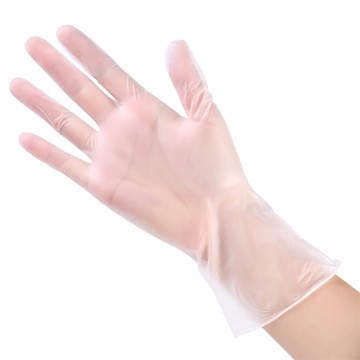
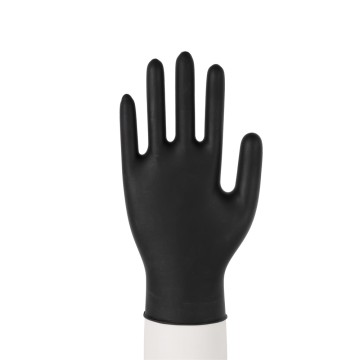
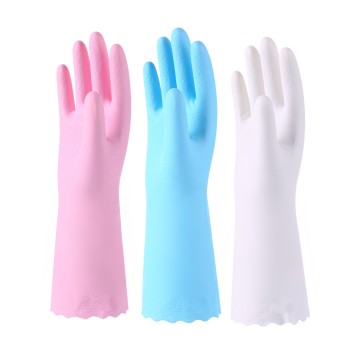
An in-depth technical analysis on synthetic polyvinyl chloride polymer engineering, chemical permeation indices, and multi-tier lab safety compliance.
Polyvinyl chloride structure provides innate resilience against dilute mineral acids, caustic bases, low-concentration alcohols, and inorganic salts without polymer degradation.
Formulated with 100% synthetic PVC plastisols containing zero natural rubber latex proteins, totally eliminating the danger of anaphylaxis and skin sensitization.
Inherently low surface resistivity minimizes electrostatic discharge (ESD), protecting sensitive analytical instrumentation and electronic microarray components.
Modern laboratory environments—ranging from academic biochemistry workstations and molecular pathology suites to high-throughput pharmaceutical quality assurance labs—demand personal protective equipment (PPE) capable of balancing rigorous biological barrier integrity, user ergonomics, and chemical barrier security. Within this scientific framework, polyvinyl chloride (PVC) synthetic gloves have established themselves as an indispensable standard for non-invasive sampling, low-risk chemical manipulation, analytical instrumentation maintenance, and cleanroom specimen preparation.
Historically utilized primarily in food processing and general sanitation, the formulation of disposable vinyl gloves has undergone radical technological innovation over the last decade. Contemporary plastisol chemistry integrates high-purity polyvinyl chloride resins with next-generation non-phthalate plasticizers (such as DOTP and DINCH) alongside proprietary slip-enhancing surface treatments. This structural engineering eliminates residual powder, reduces extractable chemical plasticizer residues, and imparts high tensile resilience. For chemical laboratories conducting routine acid-base titrations, buffer preparation, photometric spectrometry, and routine biohazard specimen sorting, laboratory-grade vinyl gloves represent a strategically sound, cost-effective, and highly reliable first line of defense.
Safety officers and laboratory managers face the ongoing challenge of specifying glove materials that match specific chemical hazard tiers. Unlike standard single-use latex or nitrile options, polyvinyl chloride possesses unique molecular characteristics. Its saturated carbon backbone with chlorine side groups renders it inherently resistant to oxidation by dilute inorganic acids (such as 10-20% Hydrochloric Acid and Sulfuric Acid), alkali solutions (including Sodium Hydroxide and Potassium Hydroxide), and common sanitizing chemicals such as quaternary ammonium compounds, bleach (Sodium Hypochlorite), and hydrogen peroxide solutions.
When assessing compliance under ASTM F739 and EN ISO 374-1 standards, vinyl gloves demonstrate remarkable performance against water-soluble contaminants, biological fluids, and aqueous reagents. While nitrile gloves remain the standard for aromatic solvents and aggressive ketones, vinyl gloves excel in tasks involving frequent, high-volume glove changeovers—such as staining procedures, ELISA microplate washing, centrifuge loading, histology tissue processing, and buffer salt formulation—delivering superior resistance against moisture and aqueous permeation without rapid polymer hardening.
| Performance Factor | Lab-Grade Vinyl (PVC) Glove | Medical Nitrile Glove | Natural Rubber Latex |
|---|---|---|---|
| Latex Protein Sensitivity | 100% Free (Zero Type I Allergies) | 100% Free (Zero Type I Allergies) | Present (Risk of Sensitization) |
| Aqueous Chemical & Acid Resistance | High (Inorganic Acids, Bases, Salts) | Very High (Oils, Solvents, Acids) | Moderate (Water-soluble reagents) |
| Electrostatic Discharge (ESD) Behavior | Naturally Low Static Build-up | Moderate Static Generation | Moderate to High Static Build-up |
| Tactile Comfort & Relaxed Fit | Loose, Stress-Free Ergonomic Contour | Tight Snug Fit (Elastic Recovery) | High Elasticity (Tension Fatigue) |
| Cost-Efficiency for High-Frequency Use | Optimal (Highest Cost-Efficiency) | Higher Unit Cost | Moderate to High Market Volatility |
| Primary Regulatory Standards | ASTM D5250, EN 455, EN ISO 374 | ASTM D6319, EN 455, EN ISO 374 | ASTM D3578, EN 455 |
In life science research, clinical genomics, and environmental monitoring, cross-contamination is the ultimate failure point. Every glove surface represents a vector of potential particulate transfer, ionic contamination, or biological carryover. Cleanroom-compatible, powder-free vinyl gloves are manufactured within Class 10,000 (ISO 7) and Class 100,000 (ISO 8) controlled cleanrooms, undergoing multiple deionized water washing cycles to reduce particulate burdens, endotoxin concentrations, and non-volatile residues (NVR).
Furthermore, because vinyl gloves feature a smoother outer finish and a looser, more relaxed mechanical drape than elastomeric polymers, they reduce hand fatigue during repetitive pipetting, Petri dish handling, and specimen barcode scanning. Laboratory researchers working under laminar flow hoods benefit from the smooth tactile sensation that minimizes snagging against microcentrifuge tube caps, cryovials, and delicate glass capillary tubes. The smooth surface morphology also ensures that hazardous biological fluids do not cling to surface crevices, facilitating rapid visual identification of droplet contamination.
As academic institutions and multinational pharmaceutical corporations establish ambitious ESG (Environmental, Social, and Governance) targets, personal protective equipment procurement is increasingly evaluated on environmental criteria. Modern PVC glove manufacturing facilities employ automated heat recovery systems, closed-loop water recirculation units, and lead-free stabilizer technologies. By transitioning from traditional orthophthalate plasticizers toward bio-based and medical-grade DOTP plasticizers, leading manufacturers like Cureguard Glove Group have enhanced both product safety and regulatory acceptance across European (REACH, RoHS) and North American (FDA 510(k), California Proposition 65) markets.
Moreover, the durability of thickened, reusable flock-lined vinyl gloves allows industrial chemical handling facilities to drastically reduce single-use plastic waste in bulk chemical mixing, wastewater testing, laboratory glassware sterilization, and hazardous sanitation cycles. These heavy-duty variants feature interior cotton flock lining that absorbs perspiration during extended multi-hour operational shifts, maintaining a dry, comfortable internal microclimate while outer multi-layer PVC barriers resist abrasion and puncture hazards.
To maximize chemical safety within any biochemical or analytical facility, laboratory standard operating procedures (SOPs) should establish clear decision matrices for glove selection:
Comprehensive portfolio of certified disposable and reusable gloves for scientific, industrial, and clinical barrier protection.
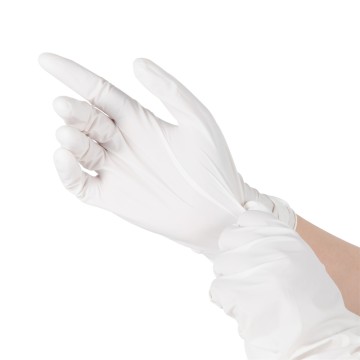
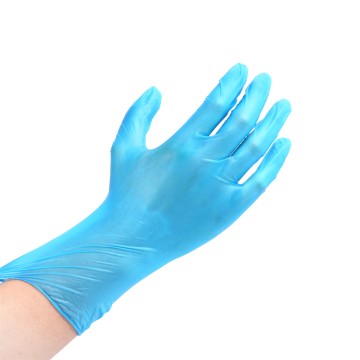
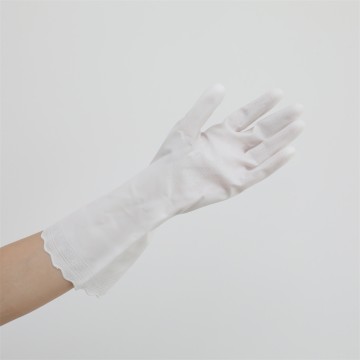
Established in 2006 and headquartered in Jiangsu Province, China, Cureguard Glove Group is specialized in glove manufacturing for over 20 years.
We own over 60 production lines dedicated to disposable vinyl and nitrile gloves, and reusable vinyl gloves with an annual output exceeding 10 billion pieces. We supply various kinds of gloves to customers in more than 100 countries and regions worldwide.
We roll out different series of products to address various routine scenario needs, such as laboratory research, chemical safety, medical examination, food contact, electronic industry, and household use.
Learn More About Us 2006
 5
 60+
 10 Billion

Audited and verified under international medical, laboratory, and occupational safety frameworks.
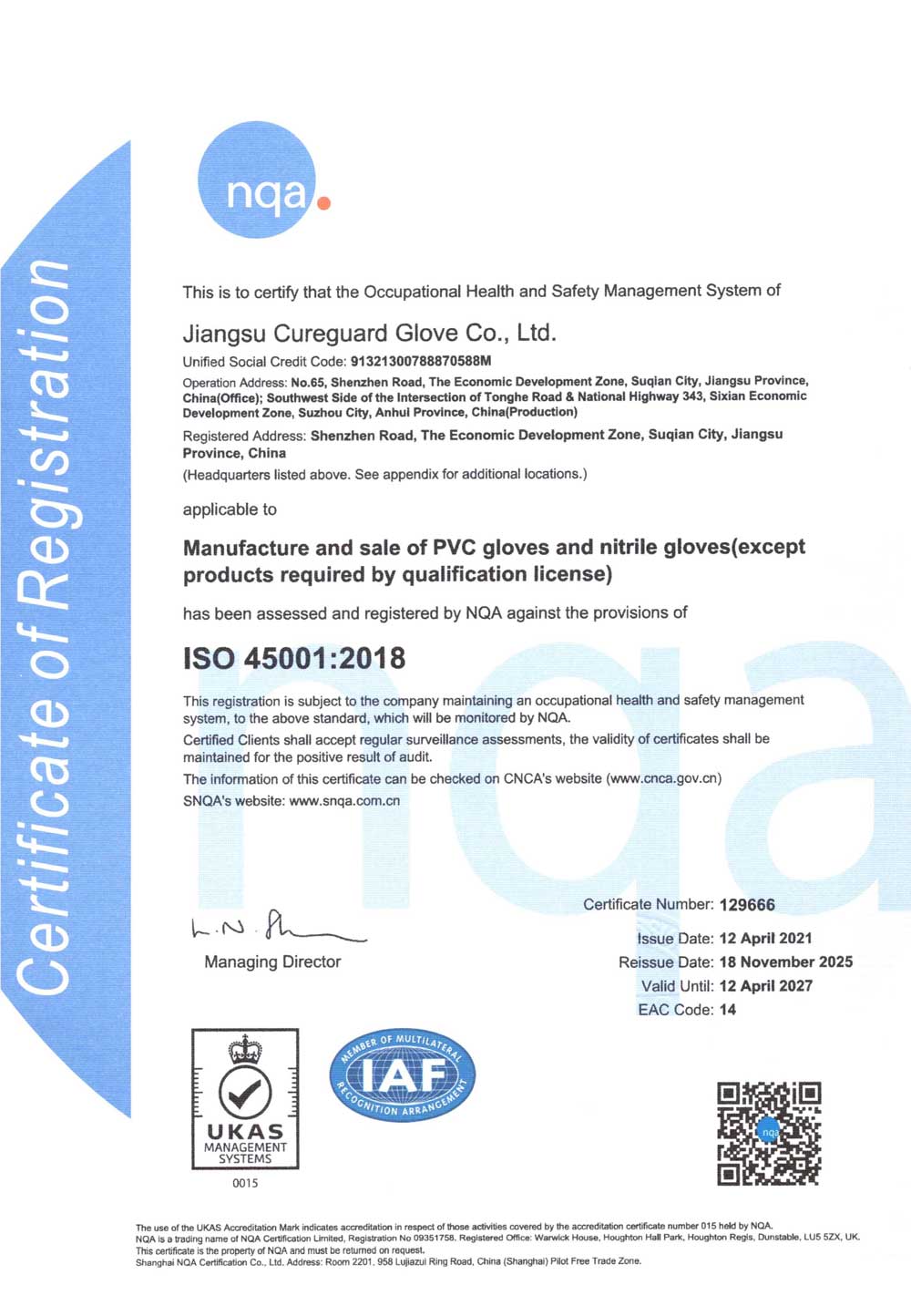
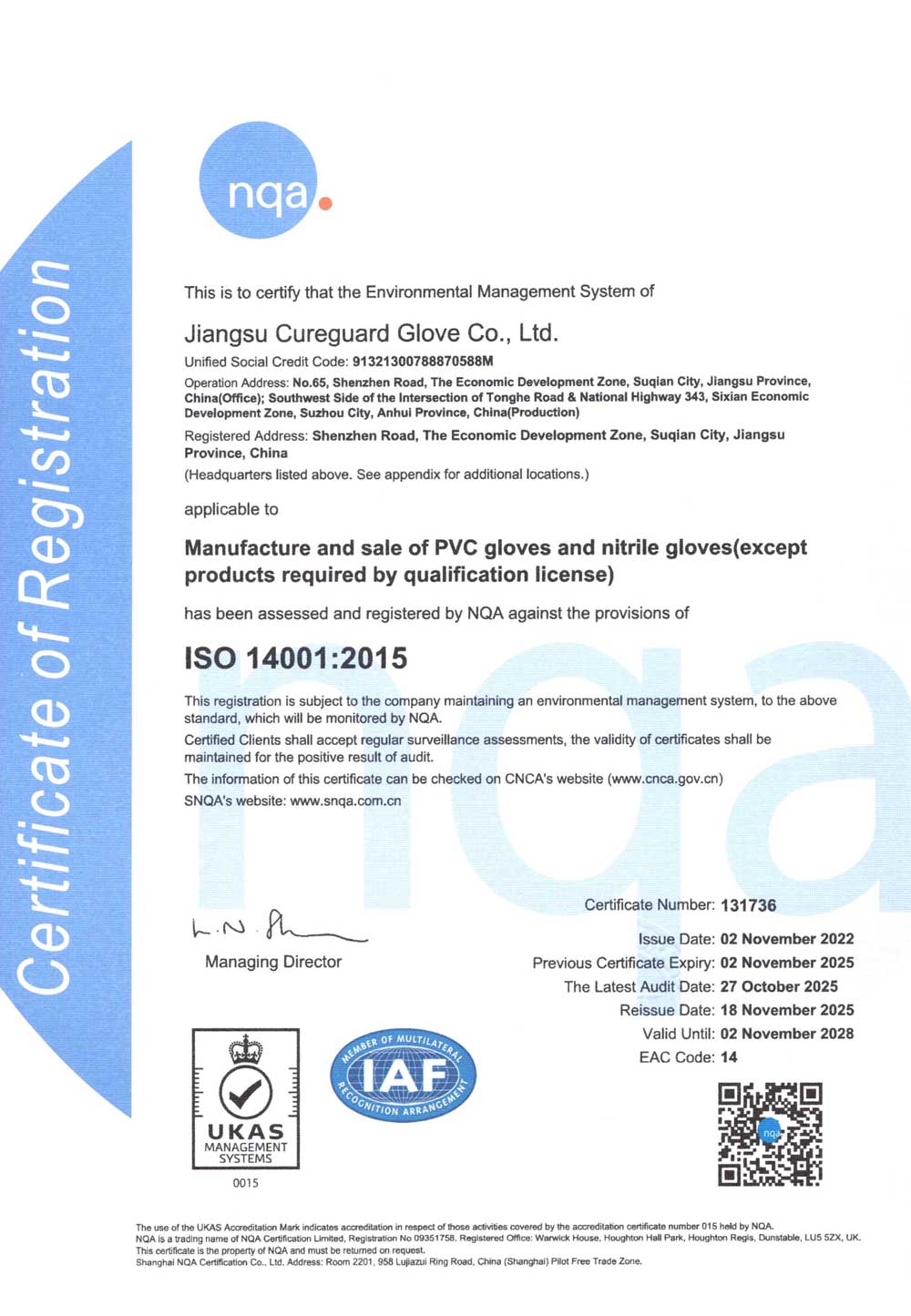
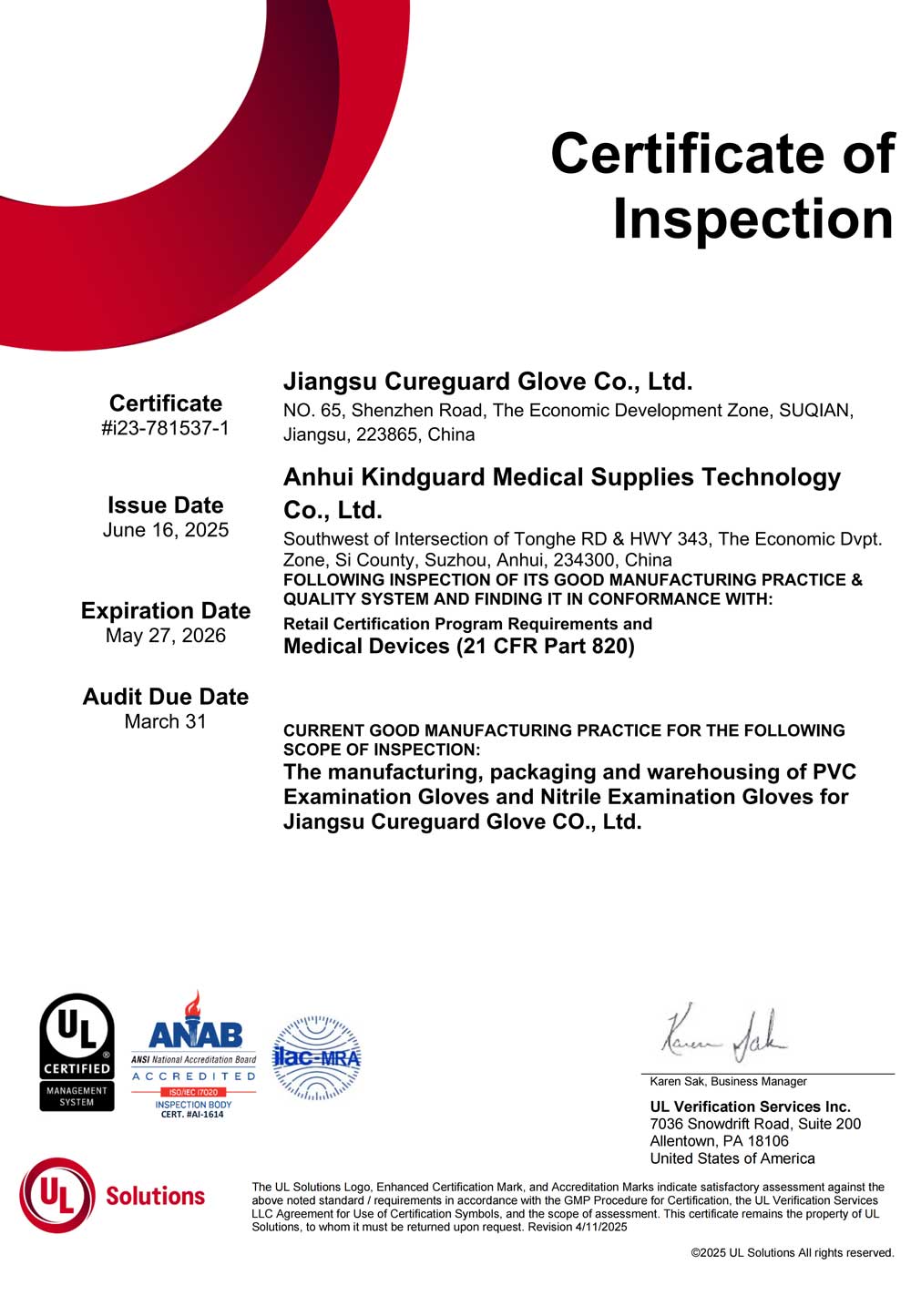
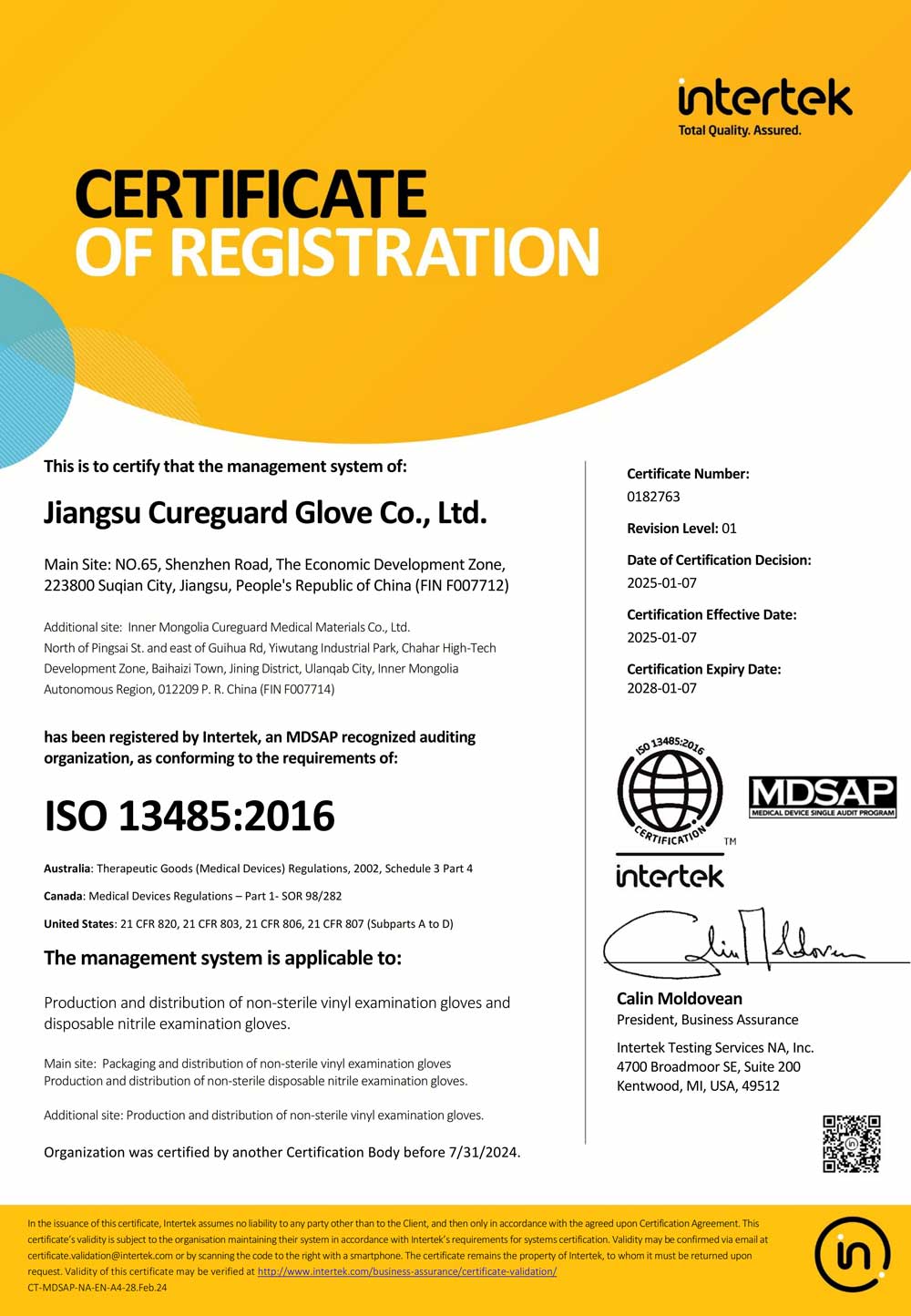
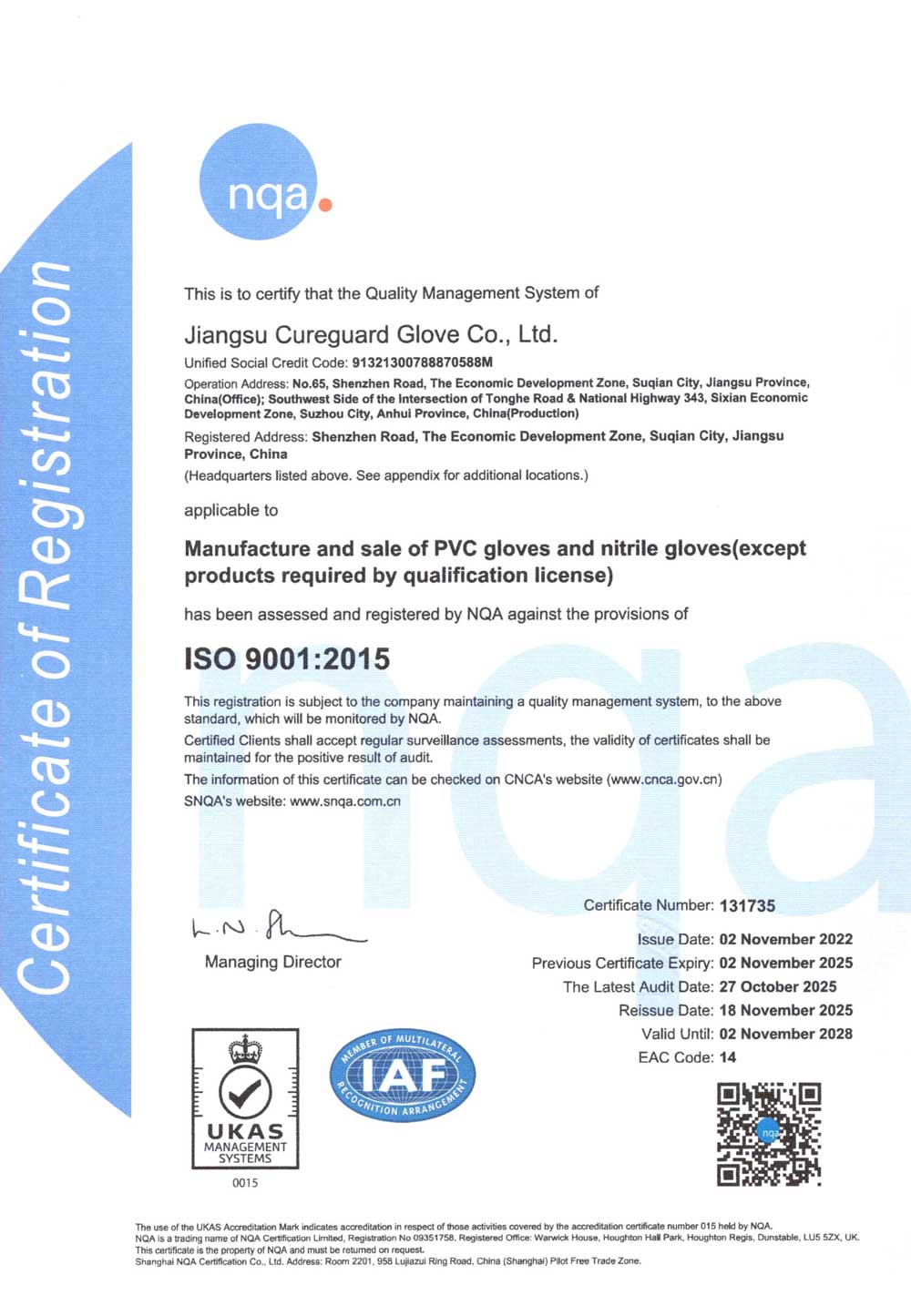
Tailored barrier protection protocols across scientific, healthcare, processing, and industrial sectors.
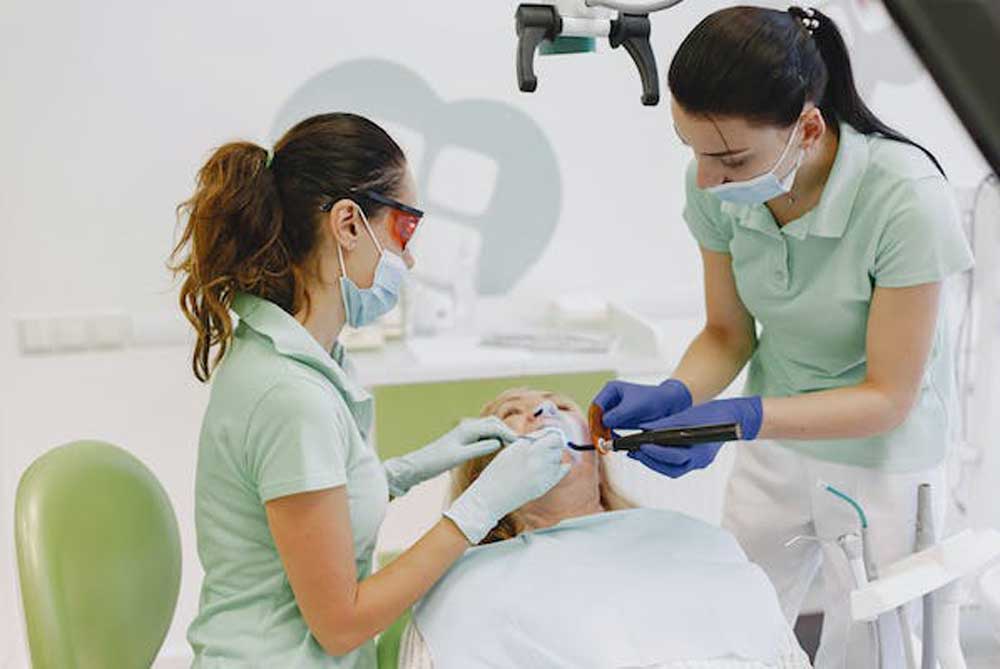
 Medical & Research
Essential for clinical diagnostic sampling, pathology labs, biological containment, and sterile medical examination setups.
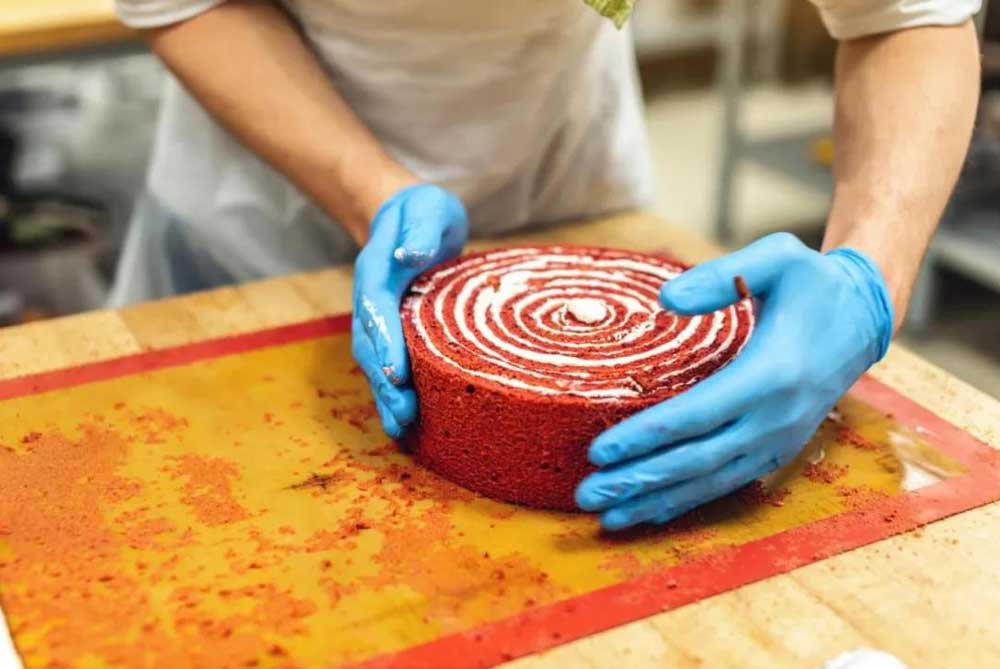
 Food Processing
Certified direct food-contact compliance for catering, commercial bakery, meat processing, and culinary sanitation.
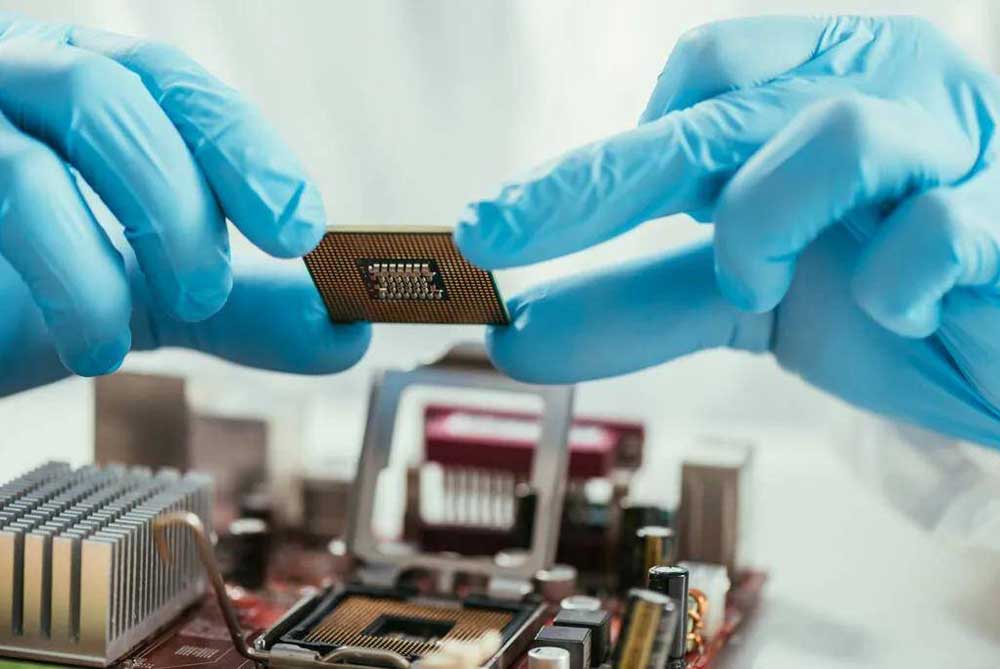
 Industrial & ESD
Ideal for semiconductor fabrication, electronic circuit assembly, cleanroom operations, and industrial precision parts handling.
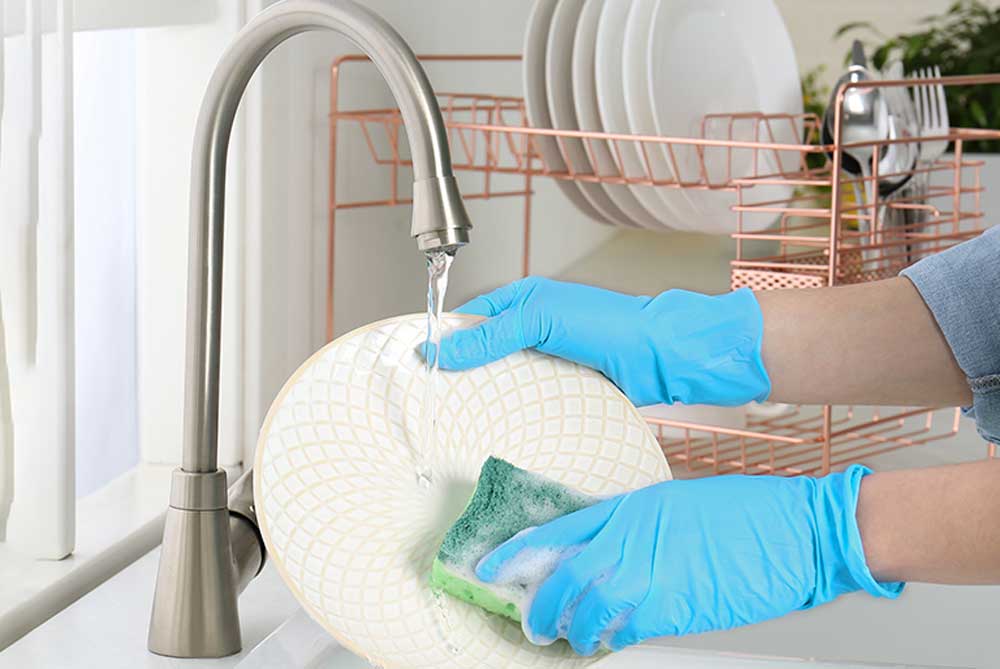
 Household & Hygiene
Durable first line of defense for domestic cleaning, kitchen hygiene, pet grooming, and chemical detergent protection.
Stay updated on the latest hand protection standards, cross-contamination prevention, and polymer innovations.
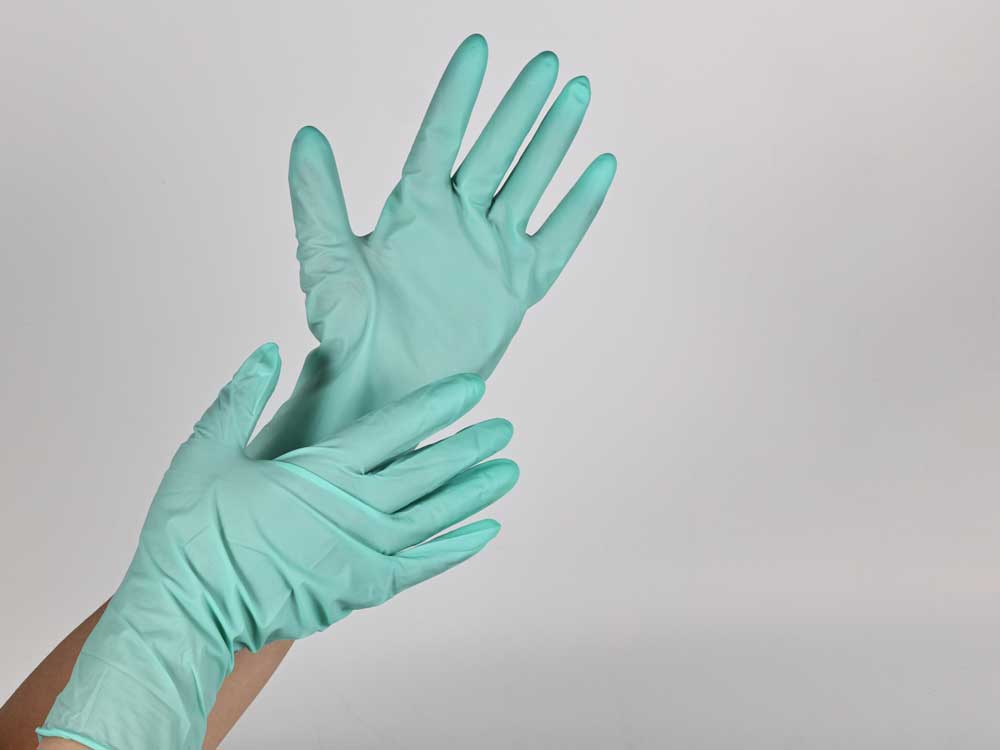
Medical personnel rely on precision gloves during surgical and clinical sampling workflows to arrest bacterial transmission and preserve barrier integrity.
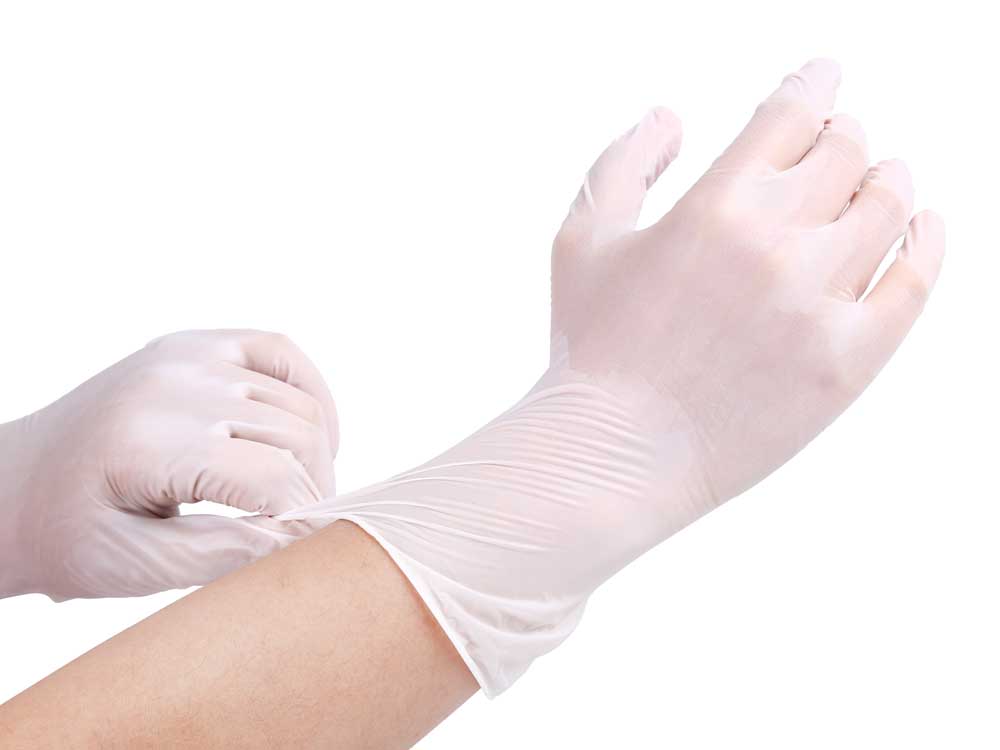
In analytical sampling and food processing environments, hand contact represents a primary contamination node effectively fortified by high-purity PVC gloves.
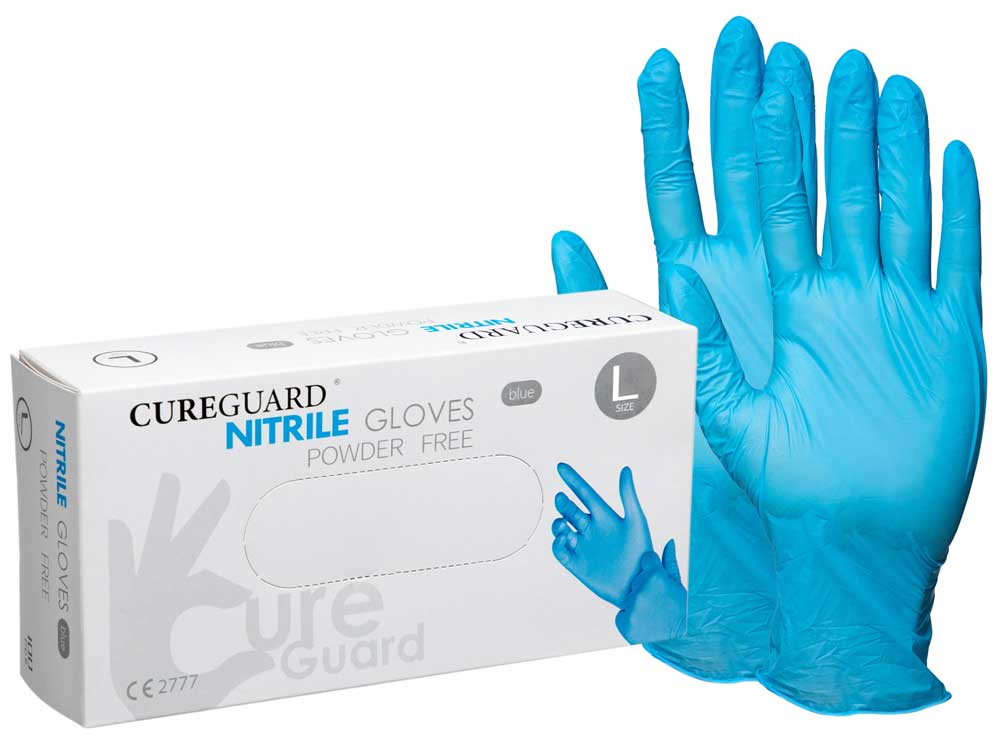
With increasing awareness of workplace chemical exposure, demand for multi-material glove deployments continues to surge across laboratory institutions.
Discover our comprehensive range of high-performance disposable and reusable vinyl and nitrile gloves for all laboratory and chemical handling needs.